



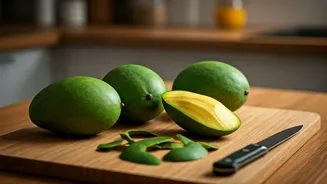
Meet Kairi: The Unripe Green Mango
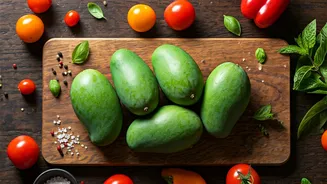
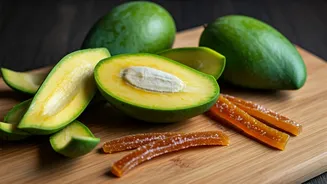
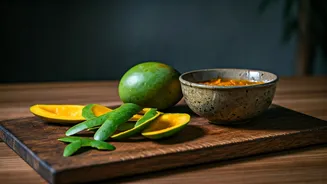
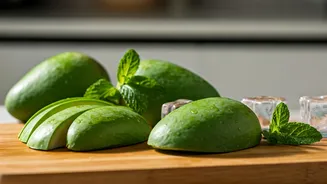
Before a mango ripens into the sweet, soft, orange fruit we all know and love, it exists in a state of tart, crisp perfection. This is the green, or raw, mango, known in many parts of India as 'kairi'. Forget everything you know about its sweet counterpart.
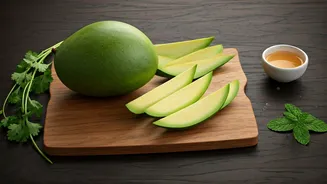
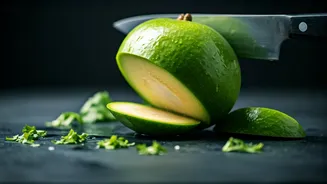
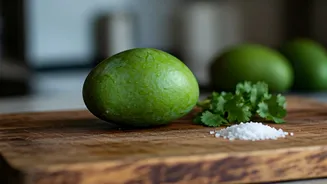
Kairi is firm, intensely sour, and has a clean, vegetal crunch, almost like a Granny Smith apple but with a tropical-sour punch. It’s not meant for eating plain out of hand; its power lies in its ability to transform dishes and drinks with its vibrant acidity. You can typically find these hard, green fruits in South Asian, Southeast Asian, and Latin American markets throughout the spring and summer months. Look for firm, unblemished skin and a hefty feel.
The Ultimate Heatwave Hero
Why is this sour fruit a heatwave staple across South Asia? The answer is both cultural and sensory. In Ayurvedic tradition, raw mango is valued for its perceived cooling properties. While scientific studies on the topic are limited, the logic feels sound on a blistering day. The electrolytes, water content, and vitamins (particularly Vitamin C and A) help replenish what we lose through sweat. But more immediately, its sharp, tangy flavor is a powerful antidote to heat-induced lethargy. That jolt of sourness wakes up the palate, stimulates saliva, and makes you feel instantly more refreshed than heavy, rich foods ever could. It’s the culinary equivalent of a cool breeze or a dip in the pool.
Drink Your Cool: Aam Panna
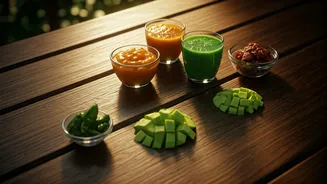
The undisputed king of kairi recipes is Aam Panna, a revered North Indian summer cooler. Making it is a ritual in many households as soon as the first green mangoes appear. The process involves boiling or roasting the raw mangoes until soft, extracting the pulp, and blending it with water, sugar (or jaggery), and a dazzling array of spices like roasted cumin, black salt (kala namak), and mint. The result is a concentrate that can be stored in the fridge for weeks. To serve, you simply mix a few spoonfuls with chilled water and ice. The flavor is a symphony: sweet, sour, salty, and subtly smoky all at once. It’s incredibly hydrating and feels like a luxury, but it’s a simple, home-spun remedy for a scorching afternoon.
A Savory Punch for Dal and Salads
Kairi’s versatility shines brightest in savory dishes. Its acidity can replace or enhance the lemon or lime you’d normally use. One of the simplest and most profound uses is in 'kairi dal'. Just add a few chunks of peeled raw mango to your lentils (like toor or masoor dal) as they cook. The mango softens and dissolves into the dal, infusing the whole pot with a subtle, complex sourness that brightens the earthy lentils. Another fantastic, no-cook option is to use it in salads. Grate the firm kairi flesh on a box grater and toss it into a simple cucumber and onion salad, or mix it with peanuts, cilantro, and a touch of chili for a crunchy, Thai-inspired slaw. It adds texture and a flavor punch that is impossible to ignore.
Preserve the Tang: Chutneys and Pickles
Because raw mango season is fleeting, preserving it is a time-honored tradition. Kairi is the perfect base for countless pickles (achaar) and chutneys. A quick-cooked sweet and sour chutney, often called 'chunda' or a simple 'launji', combines grated mango with sugar and spices, creating a jam-like condiment that’s a perfect partner for flatbreads, grilled meats, or even a cheese board. For the more adventurous, a spicy raw mango pickle made with mustard oil and a blend of fennel, mustard seeds, and chili powder is a flavor bomb that will last for months, bringing a taste of summer to your meals long after the heatwave has passed.