






A Global Day of Recognition
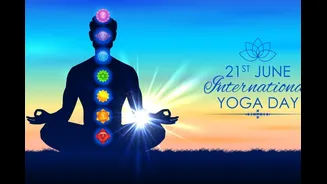
The primary reason yoga is getting extra attention is the International Day of Yoga, celebrated globally on June 21st. Established by the United Nations in 2014, this day aims to raise worldwide awareness of the many benefits of practicing yoga. It’s
a formal acknowledgment of yoga’s universal appeal and its holistic approach to health and well-being. Across the U.S., you'll find free classes in parks, special events at studios, and online workshops designed to welcome everyone, from seasoned practitioners to the merely curious. This designated day serves as an annual invitation to pause, breathe, and connect with a practice that has enriched lives for millennia.
From Ancient Roots to American Mainstream
While yoga’s roots stretch back thousands of years in India as a profound spiritual and philosophical system, its journey to the American mainstream is a more recent story. Initially introduced to the West in the late 19th and early 20th centuries, it remained a niche interest for decades. It wasn't until the counter-culture movement of the 1960s and a growing focus on physical fitness in the '80s and '90s that yoga truly began to plant its seeds in American culture. Today, it has blossomed into a multi-billion dollar industry. More importantly, it has evolved from a purely spiritual pursuit into a versatile tool for physical fitness, stress management, and mental clarity, practiced by millions of Americans from all walks of life.
The Science Behind the Serenity
One of the biggest drivers of yoga's modern popularity is the growing body of scientific evidence supporting its benefits. It’s no longer just anecdotal; it’s backed by research. Studies from institutions like the National Institutes of Health and Johns Hopkins Medicine have shown that a regular yoga practice can have tangible effects. Physically, it improves flexibility, strength, and balance. Mentally, it’s a powerhouse. The combination of physical postures (asanas), controlled breathing (pranayama), and meditation is proven to help reduce stress and anxiety by lowering cortisol levels. It can also improve mood, sharpen concentration, and promote better sleep. In a culture grappling with burnout, yoga offers a practical, accessible method for managing the pressures of modern life.
Finding a Style That Fits You
The idea that you have to be a human pretzel to do yoga is one of its most persistent myths. The reality is that modern yoga has diversified into an incredible array of styles, ensuring there’s a fit for almost every body and personality. Looking for a heart-pumping workout? Try a Vinyasa or Power Yoga class. Need to de-stress and release tension? A slow, deep-stretching Yin or Restorative class might be perfect. There’s everything from the structured, precise poses of an Iyengar class to the sweat-inducing heat of a Bikram or hot yoga session. There are even less traditional offerings like aerial yoga, goat yoga, and paddleboard yoga. This explosion of choice has made the practice more inclusive and less intimidating, allowing people to find a version that feels authentic and enjoyable to them.
How to Get Started on Your Mat
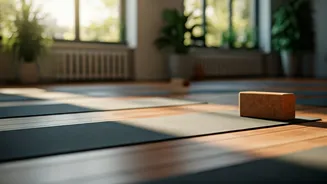
Feeling inspired to give it a try? Getting started is easier than ever. You don’t need expensive gear—just comfortable clothes and a small, clear space. Many beginners start at home with the wealth of free, high-quality classes available on platforms like YouTube. Search for “beginner yoga” to find thousands of guided sessions of varying lengths. If you prefer in-person instruction, look for beginner-level or gentle yoga classes at a local studio, gym, or community center. Don't be afraid to tell the instructor you're new. The core ethos of yoga is non-judgment and meeting your body where it is today. The goal isn't to perfect a pose but to connect with your breath and your body.