
1. Embrace the Art of Disappearance
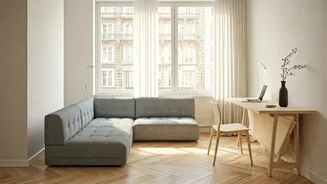
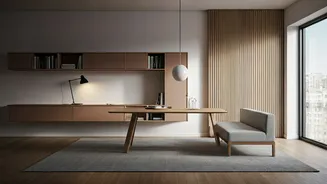
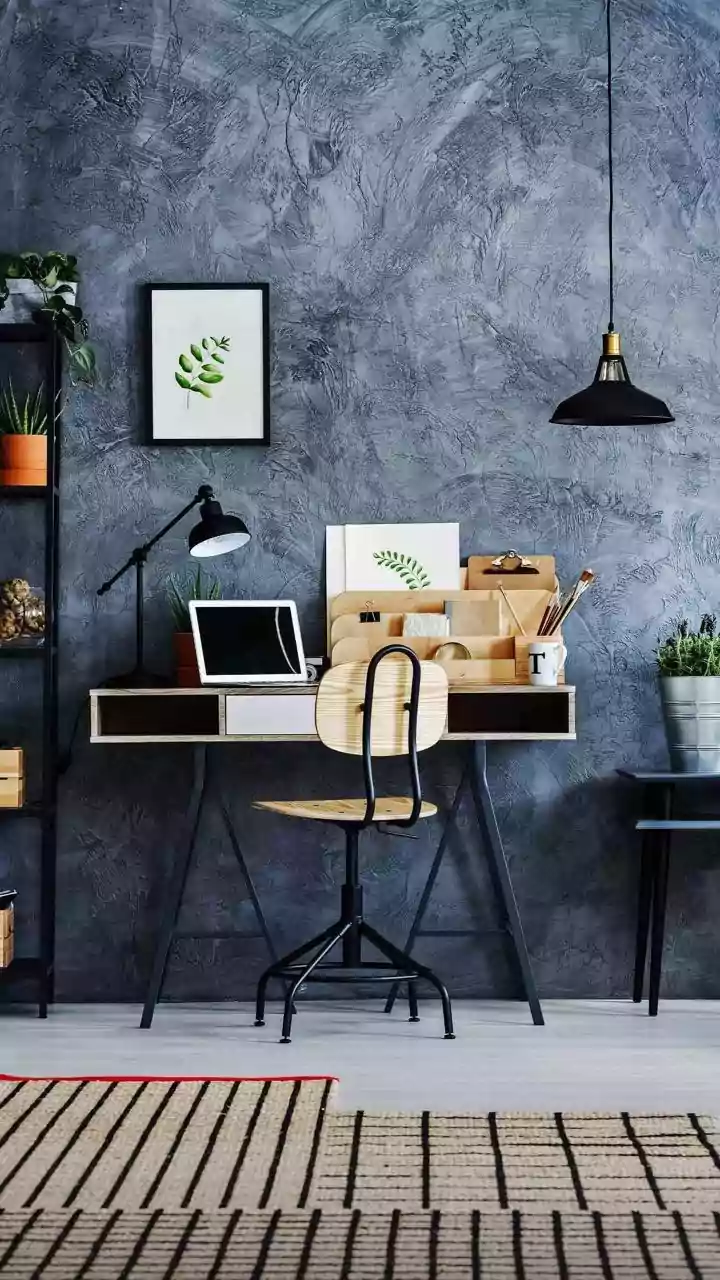
The biggest challenge for many urban dwellers is the permanent presence of a workspace in their living area. The solution isn't a bigger apartment; it's a smarter desk. The new ideal is the disappearing office. This can be a stylish secretary desk that
closes up to hide papers and a laptop, a sleek wall-mounted cabinet that folds down into a work surface, or even a well-organized closet that can be shut away at 5 p.m. The goal is to reclaim your home for living, not just working. By allowing your office to vanish, you create a psychological boundary that's crucial for work-life balance when your commute is just a few steps.
2. Zone Your Space Without Walls
In an open-plan studio or a one-bedroom apartment, creating distinct 'zones' is essential for function and flow. You don't need to build walls. Instead, use furniture and decor to create visual partitions. A strategically placed area rug can define a living room seating area. An open-backed bookshelf can create a semi-private reading nook or divide a dining space from a living space without blocking light. Even a change in wall color or a line of pendant lights can signal a shift in function. This approach gives each part of your home a clear purpose, making a small space feel larger and more organized.
3. Think Vertically, Not Just Horizontally
When you're out of floor space, the only way to go is up. Urban homes often have underutilized vertical real estate. Floor-to-ceiling shelving not only provides massive amounts of storage but also draws the eye upward, creating an illusion of height. Consider a lofted bed to free up the floor below for a desk, a small sofa, or storage. In the kitchen, use wall-mounted magnetic knife strips and hanging pot racks to clear your countertops. This isn't just about storage; it's a design strategy that leverages every available inch of your home's volume, not just its square footage.
4. Invest in High-Quality Transformers
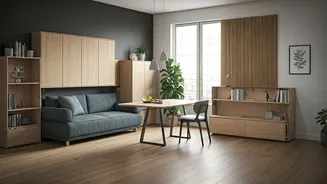
This isn't your college futon. The world of convertible furniture has evolved dramatically. A modern, high-quality Murphy bed with an integrated sofa or desk can transform a living room into a comfortable bedroom in seconds. Dining tables can expand from a slim console to a dinner-party-ready surface. Coffee tables can rise to become dining tables or lift to reveal hidden storage. While these pieces can be an investment, one great piece of transforming furniture often does the job of three separate items, saving you space, money, and clutter in the long run. Prioritize pieces that are well-engineered for daily use.
5. Master the Mood with Smart Lighting
A single overhead fixture is the enemy of a multi-use space. Different activities require different lighting. Your living area might need bright, cool light for a productive work-from-home afternoon, but soft, warm, ambient light for a relaxing evening. Smart lighting is the most effective way to achieve this. With smart bulbs and switches, you can create pre-set 'scenes' for different functions: 'Work Focus,' 'Dinner,' 'Movie Night.' A layered lighting scheme—combining overhead, task (like a reading lamp), and accent lighting—gives you the flexibility to completely change the feel and function of a room with the tap of a button.