
So, What Exactly Is Sattu?
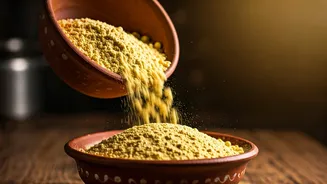
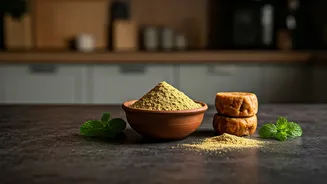
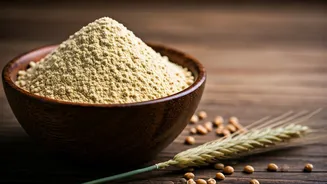
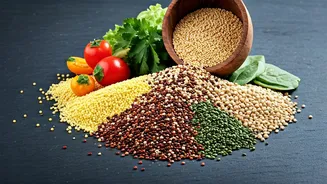
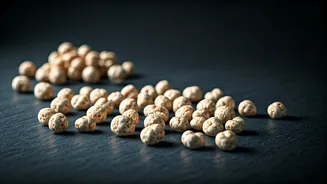
At its core, sattu is a flour, but don’t mistake it for the all-purpose stuff in your pantry. It’s made from roasted grains and legumes, most commonly roasted Bengal gram (kala chana), which are a type of chickpea. Think of it as a nutrient-dense, nutty,
and earthy powder that’s a staple in the Indian states of Bihar, Jharkhand, and Uttar Pradesh. Unlike other flours that require cooking, sattu’s key ingredient is already roasted, making it an instant-use food. This simple fact is central to its entire history and its newfound appeal. It has a savory, slightly smoky flavor that sets it apart from the neutral taste of wheat or rice flour.
An 'Ancestral' Food for the People
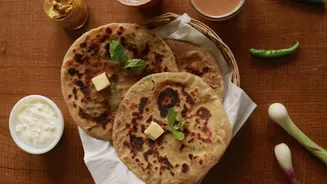
For generations, sattu has been known as the “poor man’s protein” for good reason. It’s affordable, shelf-stable, and requires no cooking, making it the perfect fuel for laborers, farmers, and travelers. Historically, a pouch of sattu and a little water was all someone needed for a filling, energy-sustaining meal on the go. It could be mixed into a simple, savory drink with water, salt, and lemon juice, or formed into dough balls called litti. This wasn't a food of royalty or elaborate feasts; it was a food of pure, unadulterated function. Its cooling properties also made it a go-to summer staple in some of the hottest parts of India, providing hydration and electrolytes long before sports drinks were invented.
The Modern Nutritional 'Glow-Up'
So why is this ancient staple suddenly turning heads in the 21st century? Because its nutritional profile reads like a checklist for modern wellness goals. Sattu is naturally high in plant-based protein, making it a dream for vegans and vegetarians. It’s incredibly rich in insoluble fiber, which aids digestion and promotes feelings of fullness, potentially assisting with weight management. Furthermore, it has a low glycemic index, meaning it releases energy slowly without causing a dramatic spike in blood sugar. And for the ever-growing population seeking gluten-free alternatives, sattu made from roasted chickpeas is a perfect fit. It’s essentially what you’d get if you designed a superfood in a lab, except it’s been hiding in plain sight in rural Indian kitchens for centuries.
From Traditional Drink to Protein Shake
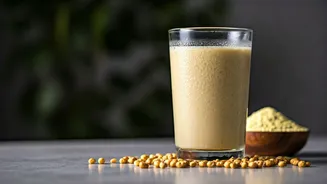
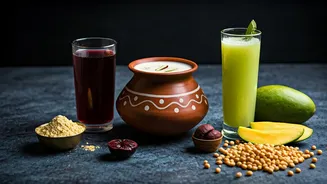
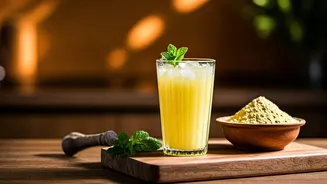
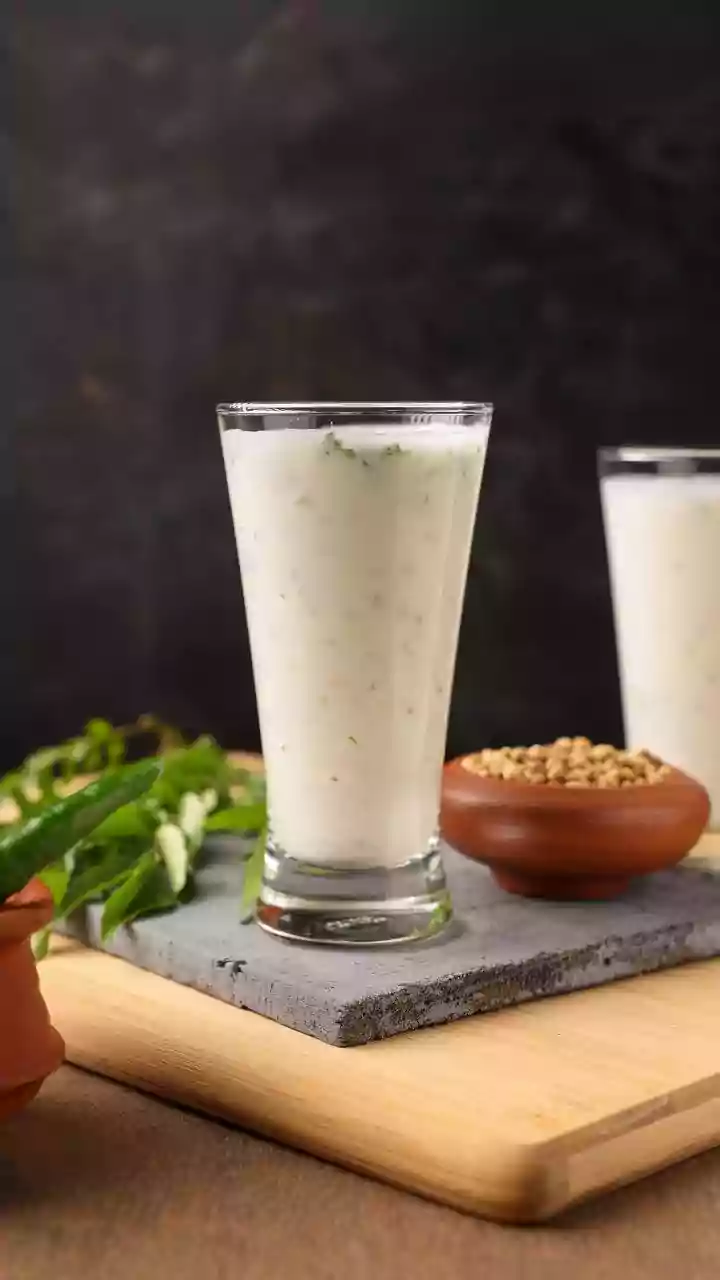
The “glow-up” isn’t just about what sattu is, but how it’s being used. The traditional way to consume it is in a drink called *sattu sharbat*. The savory version is a refreshing mix of sattu, cold water, lemon juice, black salt, and cumin. A sweet version might include jaggery or sugar. But today, its application is expanding far beyond that. Wellness influencers and food bloggers are incorporating it into protein shakes and smoothies, where its nutty flavor blends well with fruits and nut milks. It’s being used as a flour substitute in gluten-free baking for everything from pancakes and cookies to savory flatbreads. Creative chefs are using it as a thickening agent for soups and curries, or as a coating for fried foods, adding both crunch and a protein boost.