







The Dark Side of Overgrowth
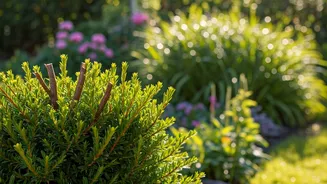
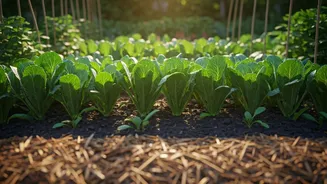
A long, wet spring can feel like a gift, encouraging an explosion of green. But this rapid, dense growth comes with a hidden cost. When plants grow too thick, air circulation plummets, creating a humid, stagnant environment right where fungal diseases
like powdery mildew and black spot love to thrive. Furthermore, the plant spends its energy producing an excess of leafy, weak stems rather than strengthening its core structure or producing abundant flowers. Interior branches and leaves get shaded out, yellowing and dying off, which only adds to the potential for rot and pests. Think of this month's pruning not as a haircut, but as a crucial health intervention to help your plants breathe.
Why June is the Magic Month
Timing is everything in gardening, and June is a sweet spot for pruning for several key reasons. First, for the spring-flowering shrubs that just finished their spectacular displays (think weigela, forsythia, and early spireas), now is the time to shape them up. Pruning them now gives them an entire year to develop the new wood on which next year's flowers will grow. If you wait until late summer or fall, you risk cutting off those nascent flower buds. Second, for many perennials and summer-flowering shrubs, a June trim encourages bushier growth and a more impressive, concentrated bloom later in the season. Finally, plants are in a state of active, powerful growth in early summer, meaning they will recover quickly from the stress of being cut, sealing their wounds and pushing out healthy new foliage before you know it.
Your June Pruning Hit List
Not every plant needs a June trim, but many common garden favorites will thank you for it. Here’s who to focus on: • **Spring-Flowering Shrubs (Post-Bloom):** Once the last flower has faded on shrubs like weigela, deutzia, and mock orange, it’s time to act. Trim them to maintain a desirable shape and size, and remove any dead, damaged, or crossing branches. • **Overgrown Perennials:** Leggy perennials like catmint (Nepeta), hardy geraniums, and salvia can be sheared back by about a third after their first flush of flowers. This tidy-up encourages a second, more compact wave of blooms later in the summer and prevents them from flopping over and smothering their neighbors. • **Hedges:** Whether evergreen or deciduous, hedges benefit from a shaping session in early summer to maintain their crisp form. This is often the first of two trims they’ll get during the growing season. • **Wisteria:** This aggressive vine needs a firm hand. After it flowers, cut back the long, whippy side shoots to just a few leaves to control its size and encourage the development of more flower spurs for next year.
The Golden Rules of a Good Cut
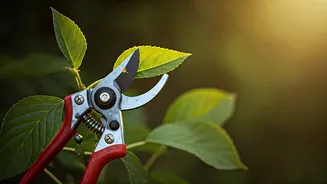
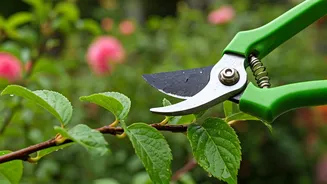
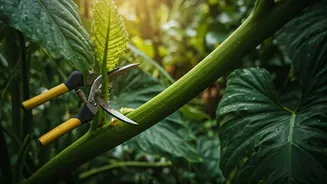
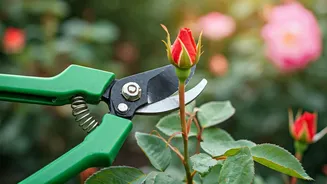
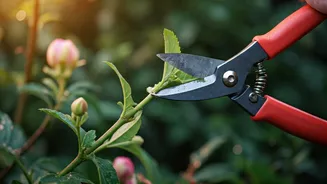
You don't need to be a master horticulturist to prune effectively. Just follow a few simple principles. First and foremost, use clean, sharp tools. A bypass pruner is your best friend for most small branches. Wiping the blades with a rubbing alcohol solution between plants can prevent the spread of disease. Second, know where to cut. For most shrubs, you want to cut back to just above an outward-facing bud or a side branch. This directs the new growth outward, opening up the center of the plant. Third, stand back and assess your work frequently. The goal is a natural, balanced shape, not a rigid geometric form. And finally, remember the one-third rule: never remove more than one-third of a plant's total mass in a single year.
Hands Off: What to Leave Alone
Just as important as knowing what to prune is knowing what to let be. Pruning at the wrong time can eliminate next year's flowers or cause undue stress to the plant. In June, you should generally avoid pruning: • **Summer-Flowering Shrubs That Bloom on New Wood (Mostly):** While a light shaping is okay, avoid majorly cutting back shrubs like panicle hydrangeas or butterfly bush until late winter/early spring. They need to produce this season's growth to set flower buds. • **Oak and Maple Trees:** Pruning oaks during the growing season can make them susceptible to oak wilt, a deadly fungal disease. Maples, birches, and elms will “bleed” a large amount of sap if pruned now, which, while not typically fatal, is stressful for the tree and messy for you. • **Lilacs and Bigleaf Hydrangeas (If Not Pruned Immediately Post-Bloom):** These set their flower buds for the following year very shortly after they finish blooming. If you wait too long into the summer, you'll be cutting off next spring's show.