

The Effort-to-Impress Ratio
Let’s be honest. Most of us aren’t trying to earn a Michelin star on a Tuesday night. We’re trying to assemble calories into a format that doesn’t taste like despair. Yet, there exists a quiet, persistent desire to make food that feels a little special—for
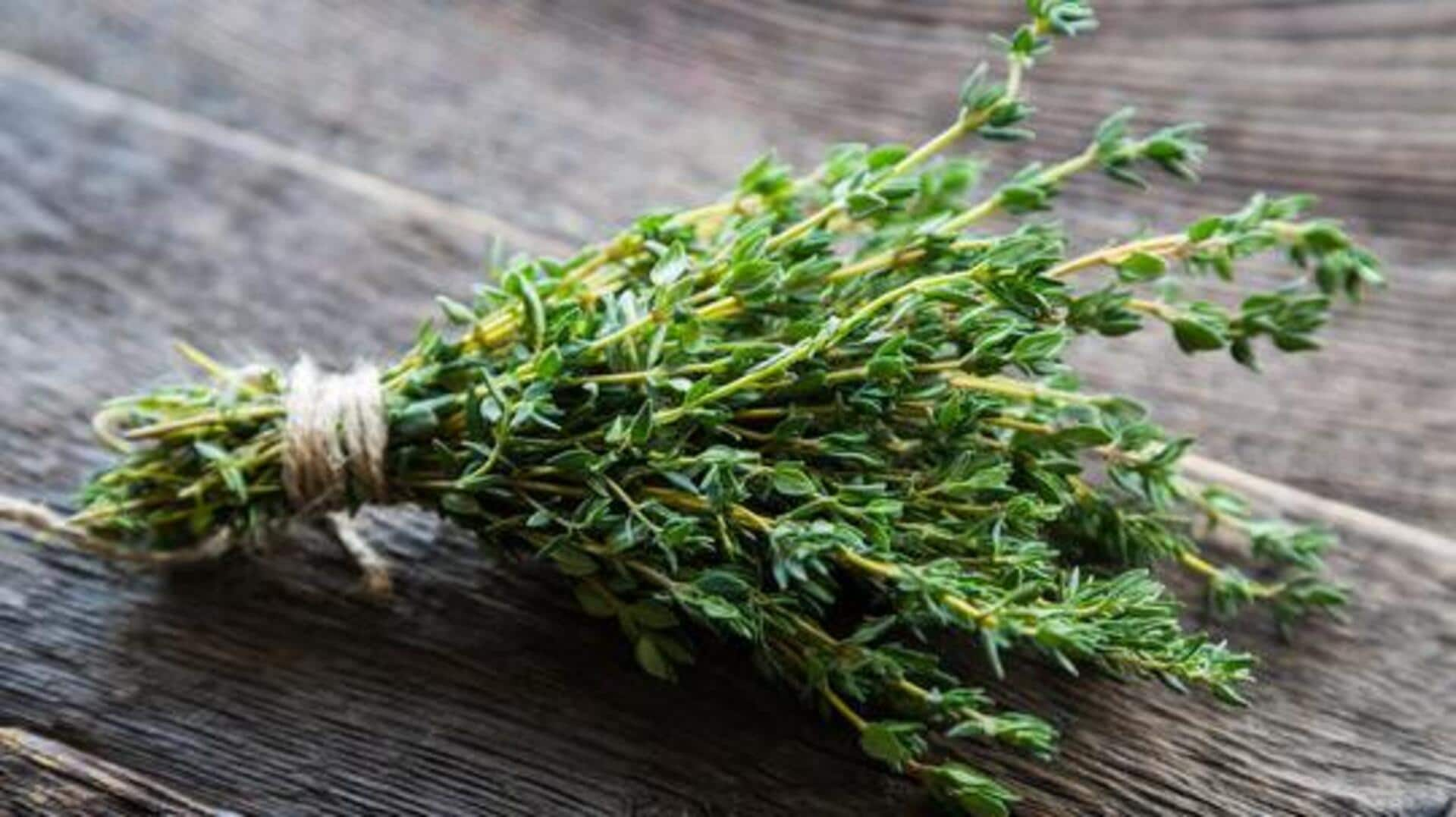
ourselves, our partners, or for the unpitying lens of our Instagram stories. The goal is to maximize the ‘wow’ factor while minimizing actual time spent, a metric we’ll call the Effort-to-Impress Ratio. A homemade puff pastry from scratch? Terrible ratio. A perfectly seared steak? Better, but requires technique and timing. But a shower of fresh, fragrant herbs over something you were making anyway? That’s where you hit the jackpot. This is the lazy cook’s domain, and basil and mint are its crown jewels. They are nature’s cheat code for looking like you tried, a vibrant green signal that what’s on the plate is more than mere sustenance; it’s a 'dish.'
Basil: The Pasta Impersonator
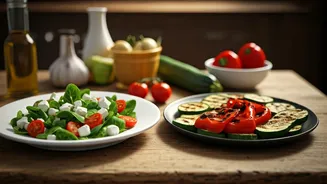
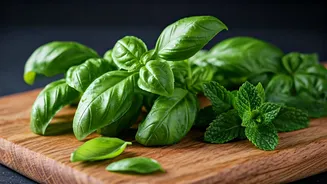
Basil is the Meryl Streep of herbs—versatile, universally loved, and capable of elevating any production it joins. Its superpower lies in its association with Italian-American cuisine, a comfort food cornerstone. Think about it. A bowl of spaghetti with jarred marinara is a classic weeknight surrender. But tear a few fresh basil leaves over the top? Suddenly, it’s *pasta al pomodoro*. You are no longer just feeding yourself; you are channeling a nonna from a sun-drenched Tuscan village. The same principle applies to a store-bought frozen pizza. A few basil leaves scattered post-bake transform it from a guilty pleasure into a 'margherita-style' flatbread. The greatest basil flex of all is the Caprese salad: sliced tomatoes, sliced mozzarella, basil leaves. That’s it. You’ve done little more than slice and arrange, yet you’ve created one of the most elegant and respected salads in the culinary canon. Basil’s aroma does the heavy lifting, convincing everyone (including yourself) that real cooking has occurred.
Mint: The Global Sophisticate
If basil is your ticket to a fake Italian vacation, mint is the friend who just got back from a gap year abroad. It’s cool, unexpected, and adds a touch of worldly sophistication with even less effort. Mint’s bright, clean flavor cuts through richness and adds a refreshing pop to everything from drinks to desserts. The ultimate lazy flex? The mojito. Muddle a little mint with lime and sugar, add rum and club soda, and you’ve crafted a cocktail that seems infinitely more complex than a simple rum and coke. Dropping a few fresh mint leaves into a glass of iced tea or even just water makes hydration feel like a spa treatment. For food, it’s even easier. A boring fruit salad of melon and berries becomes a chic brunch centerpiece with a few chopped mint leaves. A scoop of chocolate ice cream? Garnish it with a single, perfect mint sprig. You didn’t make the ice cream, but you *curated* the experience. That’s the flex. Mint whispers, 'I have a discerning palate and an adventurous spirit,' even if you just pulled it from a plastic clamshell you bought for $2.99.
The Window-Sill Gambit
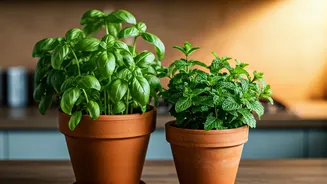
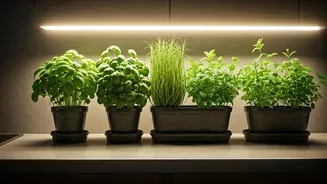
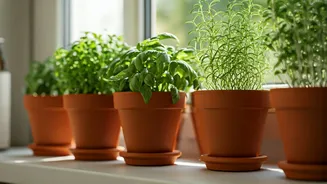
The final, and perhaps most potent, level of this lazy flex is growing your own. A small pot of basil or mint on a sunny windowsill is the ultimate visual shorthand for 'I am a person who is good with food.' It projects an aura of rustic competence and connection to the earth, even if the 'earth' is a bag of potting mix from Home Depot. The actual effort required is minimal—some sunlight and water every few days. But the payoff is immense. Having guests over? Ask them to snip a few leaves of basil for the pizza. The act itself becomes part of the charm. You’re not just a cook; you’re a provider, a domestic hero cultivating your own personal Eden one fragrant leaf at a time. It’s a beautiful, aromatic lie. And it is glorious.