


The Comeback Grain You’ve Never Heard Of
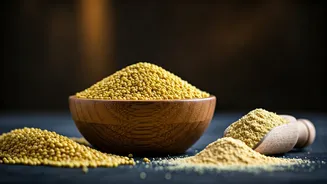
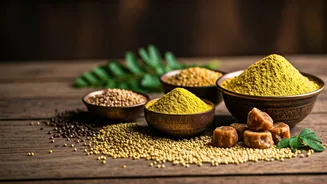
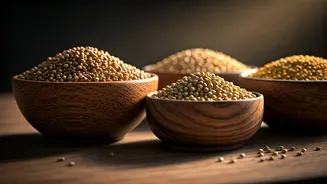
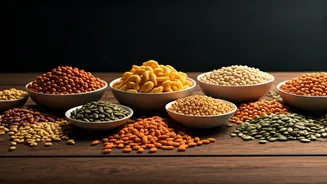
For many Americans, the word “millet” conjures up one image: birdseed. But for most of human history, this tiny, bead-like grain was a cornerstone of diets across Africa and Asia, feeding civilizations long before wheat and rice became dominant. Millets
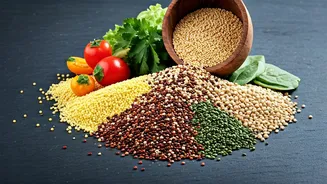
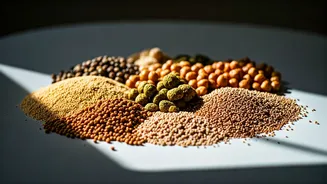
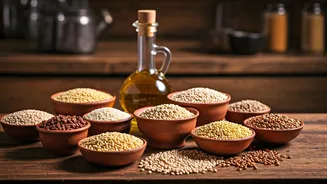
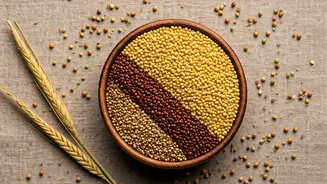
are not one single thing, but a group of small-seeded grasses that have been cultivated for over 7,000 years. Think of them as the hardy, overlooked ancestors in the global family of grains. They were staples for a reason: they are incredibly versatile and resilient. From pearl millet in India and Africa to foxtail millet in China, these grains were turned into everything from flatbreads and porridges to fermented beverages. They fell out of favor in the 20th century, pushed aside by heavily subsidized and industrialized crops like corn, wheat, and rice. But now, in a world grappling with new challenges, what’s old is becoming new again, and millets are stepping back into the spotlight.
A Nutritional Powerhouse in a Tiny Package
The renewed interest in millets isn't just about nostalgia; it’s driven by solid science. From a health perspective, they are a modern nutritionist’s dream. Naturally gluten-free, millets offer a fantastic alternative for those with celiac disease or gluten sensitivity. But their benefits go much further. Compared to refined wheat or white rice, millets are nutritional dynamos. They are packed with protein, fiber, and essential minerals like magnesium, phosphorus, and iron. The high fiber content aids digestion and helps regulate blood sugar, making them a low-glycemic index food that provides steady energy without the crash. This combination of being gluten-free, high in protein, and rich in micronutrients makes them an incredibly efficient way to boost the nutritional profile of any meal, turning a simple side dish into a source of comprehensive wellness.
The Secret to a Climate-Proof Kitchen
Here’s where the “future-proof” part of the headline really clicks. The same traits that made millets a reliable food source for ancient farmers make them a potential hero in the era of climate change. The UN even designated 2023 as the “International Year of Millets” to highlight their potential to combat food insecurity. Millets are what agronomists call a “climate-smart” crop. They are famously drought-resistant, capable of growing in arid, marginal soils where thirstier crops like rice or corn would fail. They require significantly less water and have a shorter growing season, allowing for more flexible planting schedules. Furthermore, they are less dependent on synthetic fertilizers and pesticides, which not only reduces their environmental footprint but also makes them a more viable crop for small-scale farmers around the world. In short, millets are tough, low-maintenance, and sustainable—exactly the kind of food source a warming world needs.
From Birdseed to Your Dinner Plate
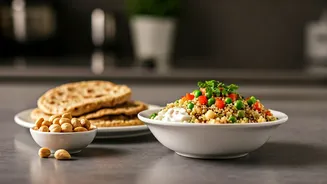
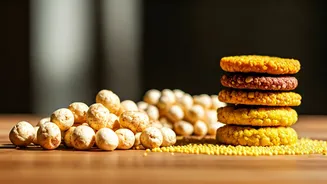
So, how do you bring this ancient, future-proof grain into your own kitchen without it feeling like a science experiment? It’s easier than you think. Millets have a mild, slightly nutty flavor that makes them a perfect canvas for other ingredients. Start simple. You can cook millet much like you would quinoa or rice. Use a 2:1 ratio of water or broth to grain, bring to a boil, then simmer for about 15-20 minutes until the liquid is absorbed. The result is a fluffy, satisfying base for a grain bowl, a side for a stew, or a hearty addition to a salad. For a creamy breakfast porridge, simply use a bit more liquid and cook it longer, then top with fruit, nuts, and a drizzle of maple syrup. You can also find millet flour, which adds a delicate, cake-like crumb to gluten-free baked goods. It’s a forgiving grain, ready to absorb whatever flavors you throw at it.