





The Quiet Before the Storm
Lake City, Colorado, sits at a lung-testing 8,661 feet, a tiny Victorian-era gem nestled deep within one of the most remote and rugged mountain ranges in the Lower 48. On a typical summer morning, the air is crisp, the sky is a piercing blue, and the surrounding
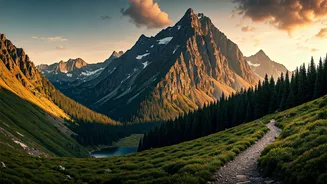
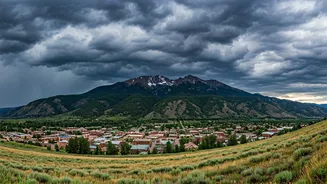
peaks—Uncompahgre, Wetterhorn, and Sunshine—stand as silent, granite sentinels. The town is a gateway to the Alpine Loop Scenic Byway, a rugged path for off-road enthusiasts, and a haven for hikers and anglers drawn to the pristine waters of Lake San Cristobal. Life here moves at a different pace, dictated by seasons, not schedules. But then, a change begins. The flawless blue starts to curdle. Wisps of white at the horizon thicken into a fleet of gray, advancing over the peaks with silent, deliberate speed. The wind shifts, carrying the cool, earthy scent of distant rain. This is the overture, the moment the landscape holds its breath before the performance begins.
A World Washed in New Color
When the rain clouds finally arrive, they don’t just block the sun; they fundamentally alter reality. The intense, high-altitude sunlight that can sometimes wash out color is replaced by a soft, diffused glow that acts like a photographer’s softbox. Suddenly, every color becomes saturated, deep, and impossibly vibrant. The endless sea of pine and spruce trees transforms from a uniform green into a hundred distinct shades, from deep emerald to dusky olive. The mineral-streaked rock faces, often appearing as pale red or yellow in the sun, pop with rich tones of rust, ochre, and raw sienna. This is the “unreal” quality the headline hints at. It’s a world where the saturation slider has been cranked to eleven. The air itself seems to gain texture, thick with moisture and anticipation. The surface of Lake San Cristobal, once a shimmering mirror of the sky, turns into a moody, pewter canvas, its surface stippled by the first fat drops of rain. It’s not gloomy; it’s dramatic. It’s nature shedding its pleasantries and showing its raw, magnificent power.
The Town Under the Clouds
The town itself seems to pull a blanket closer. The brightly painted Victorian storefronts along Silver Street take on a cozier, more intimate character. The warm glow from the windows of the Lake City Brewing Company or the local cafes becomes a beacon of warmth and community. Rather than sending people scattering, the rain seems to draw them together, into the town’s historic saloons and general stores, to trade stories and wait out the downpour. The sound of rain on the tin roofs of historic homes provides a gentle, percussive soundtrack to the afternoon. In a place defined by its immense, wild surroundings, the weather reinforces the feeling of a small, human sanctuary huddled against the elements. It’s a reminder that this town was built by people tough enough to endure—and appreciate—the mountain’s every mood.
The Grand Finale
Often, these mountain storms are as brief as they are intense. As the darkest clouds move on, a new and equally magical phase begins. The sun finds a crack in the cloud cover, sending brilliant, cinematic shafts of light into the valleys. These “God rays” illuminate patches of the landscape, highlighting a distant waterfall or a meadow still glistening with rain. Lingering mist snakes through the valleys, shrouding the bases of the mountains and making the peaks appear to float in the sky. If you’re lucky, a rainbow will arc across the entire valley, its colors made even more brilliant against the backdrop of dark, retreating clouds. The air is scrubbed clean, smelling of wet earth, pine needles, and ozone. It’s a world reborn, fresh and pulsing with life.