






The End of the Checklist Vacation
Think of the classic American road trip to Mount Rushmore or the Grand Canyon. India has its own circuit of iconic, almost obligatory, domestic tourist destinations. Families for generations have flocked to the cool “hill stations” of Shimla and Manali
to escape the summer heat, or to the beaches of Goa for a dose of sun and sea. These trips were a rite of passage, documented in family albums with photos taken at specific, pre-approved viewpoints. It was a form of checklist tourism—see the famous monument, ride the popular attraction, and buy the local souvenir. The goal was to say you’d ‘done’ a place. But for a growing number of young Indians, from late millennials to Gen Z, this model feels dated, crowded, and unfulfilling. The very idea of fighting through a crowd to replicate a photo seen a million times has lost its appeal.
The Search for the 'Undiscovered'
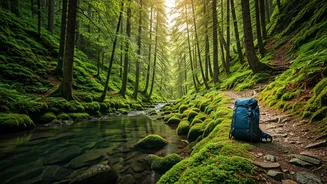
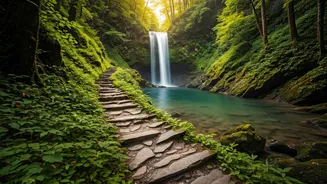
So what replaced the checklist? The quest for authenticity. Fueled by a combination of higher disposable incomes, easier online booking, and the pervasive influence of social media, young travelers are seeking experiences over sights. They don’t want the polished, packaged version of a place; they want something that feels personal and unique. Ironically, Instagram plays a dual role here. While it helped create the phenomenon of people flocking to a single photogenic spot, it has also fostered a desire for content that stands out. A photo from a remote village in the Himalayan state of Sikkim or a video from a quiet homestay in the backwaters of Kerala has more social currency than another shot of the Gateway of India in Mumbai. This digital-native generation is fluent in the language of aesthetics and storytelling, and they’re using travel to build a personal brand that values exploration over mass consumption.
From Overtourism to Conscious Travel
This isn't just about social media clout; it's also about a rising consciousness. Stories of 'overtourism' have dominated global travel narratives, and India is no exception. Popular spots like Shimla have faced severe water shortages, while Goa’s beaches have struggled with waste management. Young Indians are acutely aware of these issues. Many are actively choosing to spend their money in ways that feel more sustainable and ethical. This translates into a preference for eco-lodges over large chain hotels, farm-to-table restaurants over tourist traps, and destinations that offer genuine interaction with local communities. They are asking different questions: What is my environmental impact? Is my tourism benefiting the local economy directly? This shift aligns with a global Gen Z trend that prioritizes purpose and values in their consumer choices.
The New Map of India
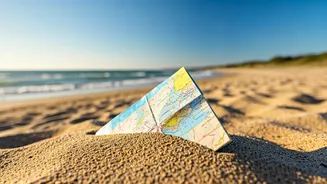
As a result, the tourist map of India is being redrawn. Instead of just Shimla, travelers are venturing to quieter towns in Himachal Pradesh like Tirthan Valley or Jibhi. Instead of North Goa’s party scene, they’re exploring the serene, untouched beaches of the south or heading to the Andaman and Nicobar Islands. The Northeast, once considered a remote frontier, is now a hotspot for adventure and cultural tourism, with states like Meghalaya and Arunachal Pradesh attracting trekkers, bikers, and nature lovers. It’s a move from the macro to the micro. The destination is no longer a city or a state, but a specific experience: a surf school in Tamil Nadu, a yoga retreat in rural Uttarakhand, a coffee plantation tour in Coorg. This fragmentation is creating new economies and opportunities in parts of the country previously untouched by tourism.