




Colombia: The Eje Cafetero
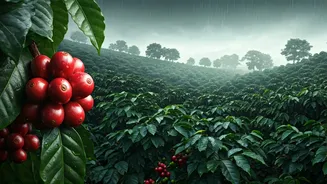
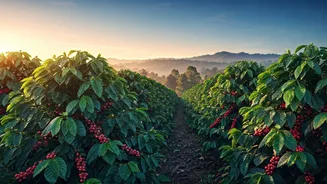
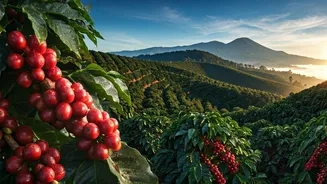
When you picture “Coffee Country,” you’re likely picturing Colombia’s Eje Cafetero, or Coffee Triangle. This UNESCO World Heritage landscape is a stunning panorama of steep green hills carpeted with coffee plants and punctuated by towering wax palms.
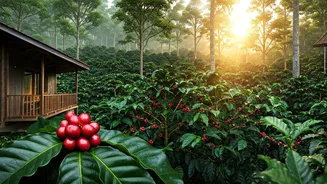
The region, encompassing the departments of Caldas, Risaralda, and Quindío, is the heart and soul of Colombian coffee production. But more than that, it has transformed into a world-class tourism destination. Visitors can stay in traditional coffee estates, known as *fincas*, which now operate as charming guesthouses and boutique hotels. Here, the experience is hands-on. You can join a local farmer to learn how to pick the ripe red cherries, understand the washing and drying processes, and finish with a “cupping” session to train your palate to the nuances of high-altitude Arabica. Beyond the farm, the area is dotted with colorful towns like Salento, with its vibrant colonial architecture, and the nearby Cocora Valley, home to the world’s tallest palm trees, offering incredible hiking and photo opportunities. It's an immersive cultural experience that feels a world away from your corner café.
Costa Rica: The Central Valley
If your travel style blends a love for nature with a dash of luxury and a strong commitment to sustainability, Costa Rica’s coffee highlands are calling your name. Centered around the Central Valley near the capital, San José, this region is famous for producing some of the world’s most sought-after beans. But here, the coffee narrative is intrinsically linked to the country’s famous “Pura Vida” ethos and its pioneering role in ecotourism. Many of the premier coffee farms, like Doka Estate or Hacienda Alsacia (Starbucks’ own visitor farm), offer slick, informative tours that dive deep into the science of shade-grown coffee and its role in preserving biodiversity. These farms are often integrated into a larger ecosystem of cloud forests and wildlife reserves. You can spend the morning learning about the Caturra and Catuai varietals and the afternoon zip-lining through the forest canopy or birdwatching for the elusive Resplendent Quetzal. The accommodations often follow suit, with eco-lodges that prioritize environmental responsibility without sacrificing comfort. It’s a trip that satisfies both the coffee connoisseur and the nature lover.
Guatemala: Antigua & Lake Atitlán
For a journey steeped in history and dramatic scenery, Guatemala offers a coffee experience unlike any other. The area around the colonial city of Antigua is framed by three towering volcanoes—Agua, Fuego, and Acatenango. The rich volcanic soil gives the local Bourbon and Typica beans their celebrated complexity, with notes of chocolate, spice, and bright acidity. A tour here is a lesson in both agriculture and history. You can wander through a working plantation at the foot of a volcano, learn about the generations of families who have cultivated this land, and then return to the cobblestone streets of Antigua to enjoy your brew in a centuries-old courtyard. Just a few hours away, the majestic Lake Atitlán offers another layer to Guatemala’s coffee story. The steep slopes surrounding the lake are home to numerous small, cooperative-run farms, many of which are operated by Indigenous Mayan communities. Visiting these farms offers a more rustic and deeply personal look at coffee production, where traditional, organic methods are the norm. It's a chance to support community-based tourism and taste coffee grown in one of the most breathtaking settings on earth.
Panama: Boquete’s Geisha Trail
For the true coffee aficionado—the person who knows their anaerobic fermentation from their honey processing—there is Boquete, Panama. This small mountain town is the epicenter of the ultra-premium Geisha (or Gesha) coffee variety, a bean so rare and flavorful it can command hundreds of dollars per pound. This is the Champagne region of the coffee world. A trip to Boquete is a pilgrimage. The tours here are less about quaint farm life and more about the meticulous science of producing a world-champion coffee. You'll visit legendary estates like Hacienda La Esmeralda and Finca Lerida, where you’ll learn about microclimates, altitude, and the precise harvesting techniques required for Geisha. The tastings are serious, refined, and revelatory, revealing the bean's famously floral and tea-like notes. The surrounding cloud forest, part of La Amistad International Park, also offers incredible hiking and biodiversity. This isn’t just a vacation; it’s an education in excellence.