

The Peak of the 'I Was There' Brag
For the better part of a decade, the ultimate travel flex was simple: prove you were there. Standing in front of the Eiffel Tower, posing on the Spanish Steps, or capturing that iconic sunset in Oia—these were the gold standards of a vacation well-spent,
at least according to your Instagram feed. This era of travel was fueled by a straightforward equation: recognizability equaled status. The more people who instantly knew where you were, the more successful the post, and by extension, the trip. This created a global checklist of destinations, a sort of real-world scavenger hunt for the most photogenic backdrops. Travel became less about the experience of being in a place and more about the act of documenting it for an audience. Airlines offered cheap flights, social media provided the platform, and an entire generation learned to frame their adventures through a 4x5 aspect ratio. But like all bubbles, the one built on performative tourism was bound to pop.
When Paradise Gets Pushy
The first cracks appeared not online, but on the ground. The very thing that made these destinations famous—their beauty and accessibility—became their curse. The term 'overtourism' entered the mainstream lexicon as cities like Venice, Barcelona, and Amsterdam began to buckle under the strain. Locals were priced out, ancient infrastructure crumbled, and the environment suffered. For travelers, the dream soured into a frustrating reality. That serene moment you envisioned was replaced by the jostle of a thousand other people trying to capture the exact same photo. The charming local café was now a tourist trap with an English-only menu and inflated prices. The experience of visiting these places began to feel less like cultural immersion and more like waiting in line at a theme park. The magic of discovery was gone, replaced by a predictable and often exhausting itinerary. People started asking a fundamental question: Is it really a vacation if you spend most of it feeling stressed, rushed, and surrounded by crowds?
The 'De-Influencing' Effect
Just as social media created the problem, it also began to offer a solution. A counter-movement, often called 'de-influencing,' gained traction. Users started posting brutally honest reviews of hyped-up products, experiences, and, yes, travel destinations. Videos titled 'Places That Aren't Worth the Hype' went viral, showing the disappointing reality behind the curated perfection. This shift signaled a growing fatigue with the polished, inauthentic content that had dominated feeds for years. Authenticity became the new, more valuable currency. Suddenly, admitting a famous place was a letdown was more interesting—and more relatable—than posting another generic photo from the top of the Duomo. This skepticism empowered travelers to question the checklist and wonder what else was out there. The fear of missing out (FOMO) on a famous spot was replaced by the joy of opting out (JOMO) in favor of something more genuine.
The New Flex: Discovery, Not Destination
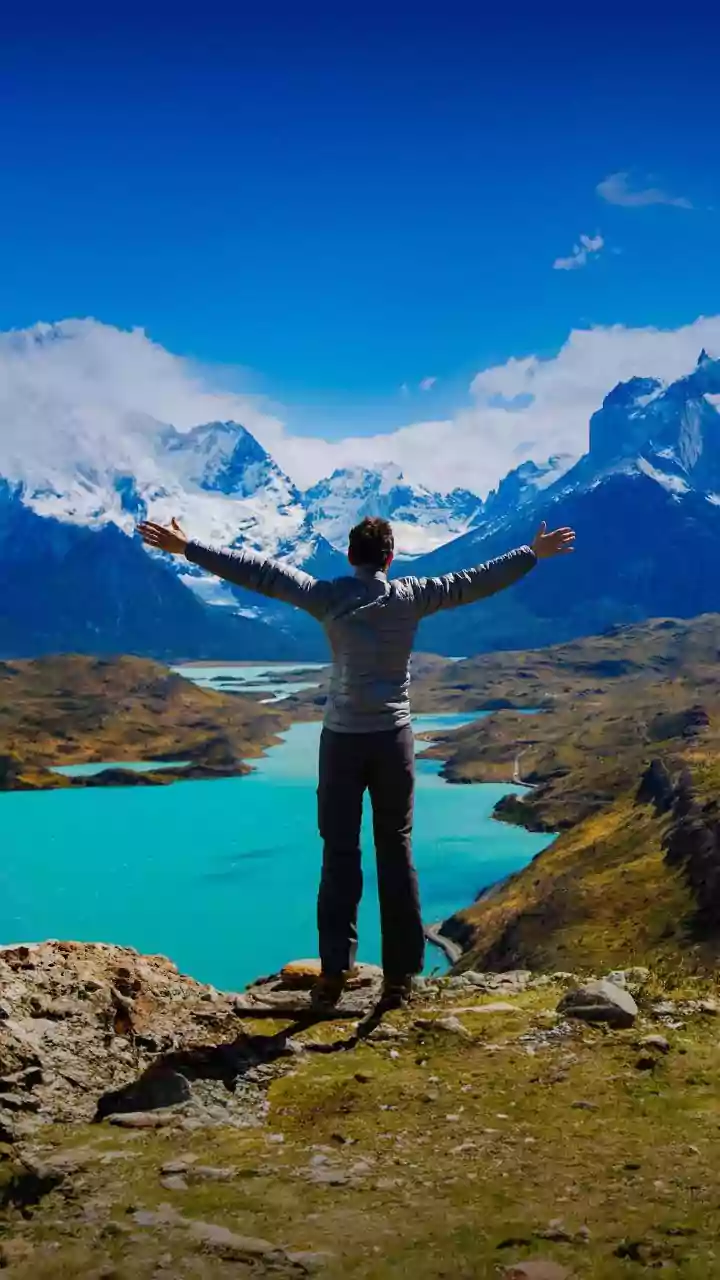
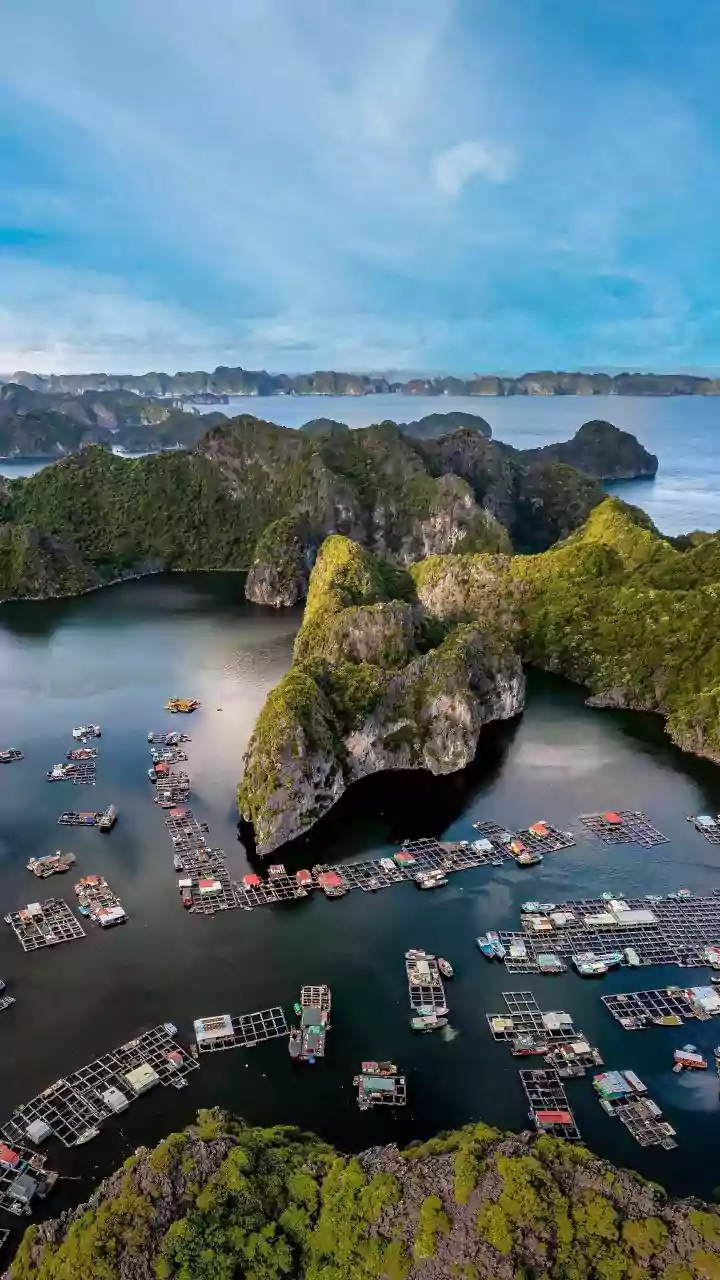
So, what has replaced the old flex? The new status symbol in travel isn't about going where everyone else has been, but where they haven't. It's about discovery. The brag is no longer the photo, but the story behind it. It’s about the hole-in-the-wall restaurant you found in Bologna instead of fighting for a table in Rome, or the secluded beach you had to yourself in Greece’s Peloponnese region while everyone else was packed onto Mykonos. This trend has given rise to 'second-city' travel—visiting a nation’s less-famous but often equally compelling urban centers. Think Lyon over Paris, or Porto over Lisbon. The value lies in the unique experience, the connection to local culture, and the sense of having uncovered a hidden gem. The modern flex is having a story that no one else can replicate, a memory that wasn't manufactured for social media. It's about finding a place that feels like yours, even if just for a few days.