
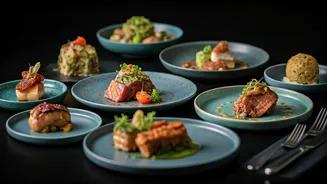
The New Kitchen Trophy Case
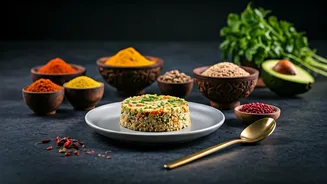
Walk into the kitchen of a millennial or Gen Z food lover in Mumbai, Bangalore, or Delhi, and you’ll see the evidence. Next to the ancestral brass masala dabba—the iconic round spice box holding turmeric, cumin, and coriander—sits a bottle of Korean gochujang.
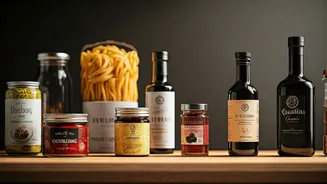
A tin of Italian San Marzano tomatoes might be stacked near a jar of tahini from the Levant. That’s the global pantry flex in a nutshell: a carefully selected, and often proudly displayed, collection of international ingredients that signals a worldly palate and a curiosity that transcends borders. This isn’t just about having one or two “exotic” items. It’s a full-blown culinary toolkit. We’re talking about high-quality Japanese soy sauce for ramen experiments, Italian '00' flour for weekend pizza projects, and a variety of hot sauces from Sriracha to habanero-based concoctions. These aren't just for special occasions; they are being integrated into daily cooking, creating a fluid, modern Indian cuisine that’s both rooted and adventurous.
From Instagram Feed to Dinner Plate
So, what’s fueling this shift? A perfect storm of social media, increased access, and a pandemic-induced cooking boom. Instagram Reels and YouTube shorts are the new cookbooks. A viral video of someone making creamy gochujang pasta or perfectly crispy chili oil can send thousands of aspiring home chefs scrambling to online grocers. The visual nature of these platforms makes complex techniques seem achievable and exotic ingredients feel essential. This digital influence is amplified by unprecedented access. A decade ago, finding many of these items required a trip to a specialty store in a major metropolis. Today, a constellation of e-commerce platforms and quick-commerce apps like Blinkit and Zepto can deliver artisanal cheese, avocado oil, or a bottle of truffle-infused hot sauce to your door in minutes. This removes the friction between inspiration and execution, allowing a whim seen on a screen to become dinner that same night.
More Than Just a Meal
But to dismiss this as just a passing foodie trend is to miss the point. In a country where food is deeply intertwined with identity, family, and community, the choice of ingredients is never just about taste. For many young Indians, building a global pantry is a form of self-expression. It reflects a global-citizen mindset, shaped by travel (both real and virtual), a diverse media diet, and an aspiration to participate in a global conversation around food. It’s a way of saying, “I am connected to the world.” Cooking a dish with ingredients from three different continents isn’t just about making dinner; it’s about crafting an identity. This generation is less bound by the rigid culinary rules of their parents and grandparents. They see recipes as starting points, not sacred texts, and are eager to experiment and create something that is uniquely their own.
Tradition, With a Twist
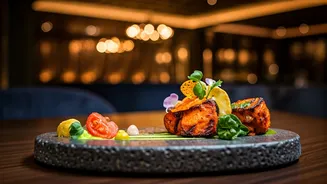
Does this mean the end of traditional Indian cooking? Far from it. This isn't a story of replacement; it's a story of augmentation. The global pantry isn’t pushing out the old standbys; it’s coexisting with them and, in many cases, creating exciting new hybrids. Think paneer tikka marinated with gochujang, dosas filled with mozzarella and pesto, or a classic dal tempered with a drizzle of chili crisp. This is evolution in action. Young cooks are using these new flavors to add new dimensions to the comfort foods they grew up with. They are applying the techniques of their grandmothers with the ingredients of the world, creating a culinary language that is both deeply personal and universally understood. It’s a delicious and authentic expression of modern India: proud of its heritage, but with its eyes, and its palate, wide open to the world.