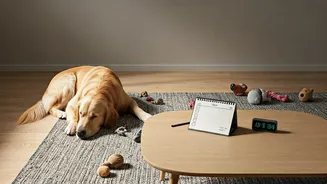








The Rise of Pet-Induced Anxiety
Millennials lead the pack in pet ownership, often treating their dogs and cats less like animals and more like family members—or “fur babies.” This deep emotional investment has an unintended side effect: sky-high stakes. Every chewed-up shoe, bout of separation
anxiety, or unexpected vet bill can feel like a personal failing. When two partners are involved, the stress multiplies. Who forgot to fill the water bowl? Whose turn is it for the 4 a.m. potty break? This shared responsibility, meant to be a bonding experience, can quickly become a source of constant, low-grade conflict. The so-called “pandemic puppy” boom exacerbated this. Couples who adopted pets during lockdown suddenly had to navigate return-to-office mandates, leaving pets accustomed to 24/7 companionship alone for the first time. The resulting behavioral issues—barking, destruction, and accidents—pushed many couples to a breaking point.
The Power of a Predictable Schedule
The antidote to chaos isn't more love or fancier toys; it's structure. For pets, particularly dogs, predictability is calming. They thrive on knowing when to expect food, walks, and playtime. A consistent routine anchors their day, reducing the anxiety that often fuels bad behavior. For couples, the benefits are just as significant. A shared, predictable pet schedule eliminates the daily guesswork and negotiation that leads to frustration. The mental load of pet care is distributed evenly, transforming it from a source of potential conflict into a seamless part of the household rhythm. There are no more debates over whether the dog has been fed or accusations about who neglected to take him out. The routine handles it.
Routine #1: Synchronized Feeding and Walks
The most foundational routine revolves around biology: food and potty breaks. Designating set meal times—for example, 8 a.m. and 6 p.m. every day—accomplishes two things. First, it prevents begging and food-related anxiety in your pet. Second, it creates a clear responsibility. One partner might handle the morning feed, the other the evening. The same goes for walks. A fixed schedule of morning, afternoon, and evening walks not only prevents indoor accidents but also provides a non-negotiable framework for sharing the duty. Using a shared digital calendar with reminders can be a game-changer, removing the need for nagging and ensuring the pet’s needs are always met, regardless of who feels more tired on any given day.
Routine #2: Dedicated Play and Training Time
A bored pet is often a destructive pet. Many behavioral problems, from incessant barking to chewing on furniture, stem from unspent energy and a lack of mental stimulation. Instead of dealing with the stressful aftermath, proactive couples schedule dedicated time for engagement. This doesn't have to be a huge commitment. Just 15-20 minutes of focused playtime—a vigorous game of fetch, a puzzle toy, or a quick training session to reinforce commands—can make a world of difference. By building this into the daily schedule, couples ensure their pet’s needs are met while also creating a positive, shared activity. It reframes pet care away from being a chore and toward being a joyful, intentional part of the day.
Routine #3: Scheduled 'Alone Time'
This may sound counterintuitive, but teaching a pet to be comfortable alone is one of the kindest things you can do for them—and for your own sanity. Constant companionship, especially post-pandemic, can breed intense separation anxiety. The stress of leaving a whimpering, panicked pet behind is immense. Proactively scheduling “alone time” helps normalize your absence. Start small: put the pet in a separate, comfortable room with a special toy for 15 minutes while you’re still home. Gradually increase the duration. For couples, this practice provides guilt-free freedom. It allows you to go out for dinner or run errands without worrying about a distressed animal or a destroyed living room, relieving a massive source of background stress and letting you enjoy your time away.