
The Anti-Trend Wellness Food
Walk down any grocery aisle and you’re bombarded with wellness promises packaged in sleek bottles and minimalist bags, often with a hefty price tag. From adaptogenic mushrooms to protein powders derived from exotic peas, staying healthy can feel like
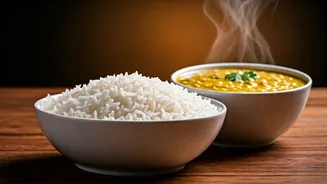
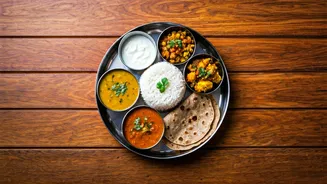
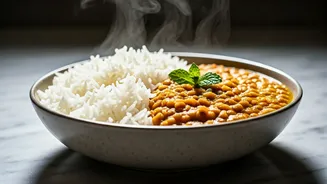
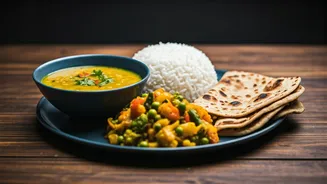
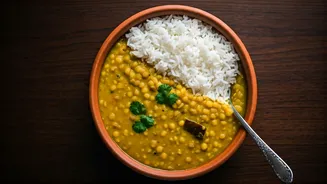
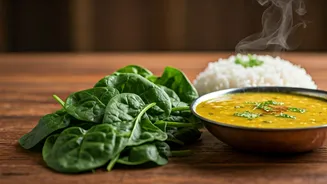
a full-time, high-cost job. But what if the answer wasn't a new trend, but a timeless tradition? Enter dal and rice. For billions of people, primarily across South Asia, this isn’t a wellness fad; it’s just lunch. Or dinner. Or the comforting meal you eat when you’re feeling under the weather. For American audiences just discovering its power, dal—a term for dried, split lentils, peas, or beans, and the stew-like dish made from them—paired with simple rice represents a return to foundational, no-frills nutrition that delivers on every front.
A Perfect Protein Partnership
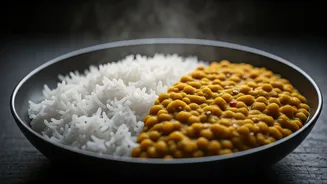
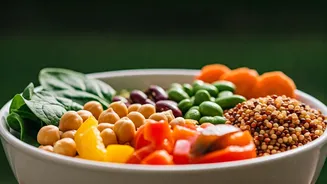
The nutritional brilliance of dal and rice lies in a concept called protein combining. Most plant-based foods are “incomplete” proteins, meaning they lack one or more of the nine essential amino acids our bodies can’t produce on their own. Grains like rice are typically low in the amino acid lysine, while legumes like lentils are low in methionine. Eaten together, they fill each other’s gaps, forming a complete protein that’s on par with meat, eggs, or dairy. This combination provides the building blocks for muscle repair, immune function, and overall vitality without the saturated fat found in many animal proteins. Beyond protein, lentils are a fantastic source of dietary fiber, which aids digestion and promotes a feeling of fullness, helping to stabilize blood sugar. They’re also packed with iron, folate, and magnesium—crucial micronutrients often lacking in the standard American diet. It’s a masterclass in nutritional synergy, perfected over centuries.
The Ultimate Budget-Friendly Meal
Here’s where dal and rice truly starts to “win” in the modern context: its incredible affordability. A one-pound bag of dried lentils can cost as little as two dollars and yield more than ten servings. Similarly, a large bag of rice is one of the most economical purchases you can make at the supermarket. When you compare the cost-per-serving of dal and rice to chicken, beef, salmon, or even a pre-made deli salad, the savings are staggering. In an era of rising food costs, a meal that is both nutritionally dense and profoundly inexpensive feels like a superpower. These are pantry staples, meaning they can be stored for months, ready to be deployed for a quick, wholesome meal without a last-minute trip to the store. This makes meal planning simpler and food waste lower, further boosting its economic and environmental credentials.
More Than Food, It’s Comfort
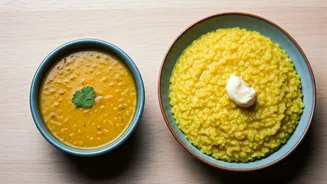
The appeal of dal and rice goes far beyond a simple nutritional or financial calculation. It is, for many, the ultimate comfort food. The gentle, savory warmth of a well-made dal spooned over fluffy rice is a universally soothing experience. It’s a “food hug” in a bowl, often associated with home, family, and a sense of grounding. This emotional resonance is a key component of its wellness benefits. True well-being isn’t just about hitting macronutrient targets; it’s also about feeling nourished, satisfied, and cared for. In its simplest form, known as khichdi (rice and lentils cooked together), it's the first food given to babies and the go-to meal for recovery from illness. Its gentle, easily digestible nature makes it profoundly restorative, a concept that modern wellness is only just beginning to appreciate.
How to Get Started
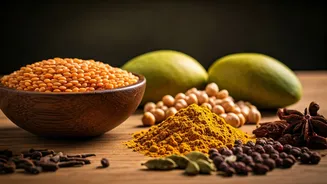
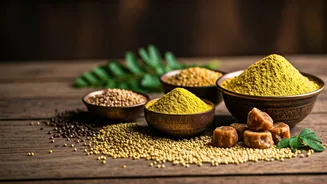
Intimidated by the idea of making dal? Don’t be. At its core, it’s just simmered lentils. Start with red lentils (masoor dal) as they cook the fastest and break down into a creamy consistency. Simply rinse them, then simmer in a pot with water or broth, adding turmeric and salt. While it simmers, you can make a simple pot of white or brown rice. The magic comes from the *tarka* (or *tadka*), a finishing touch of spices bloomed in hot oil or ghee. A simple tarka of sizzling cumin seeds and garlic in a little oil, poured over the cooked dal just before serving, elevates the entire dish from basic to spectacular. From there, you can explore endless variations with different lentils, spices, and vegetables, but the beautiful base remains the same: simple, nourishing, and deeply satisfying.