







More Than Just a Drink
In cities across the U.S., from chic cafes to bustling street festivals, South Asian beverages are having a major moment. What was once confined to family gatherings or the last page of a restaurant menu is now the main event. Ordering a nimbu pani or a falooda
is becoming a quiet cultural flex—a nod to a deep, flavorful heritage that prioritizes complexity and refreshment over sheer alcoholic buzz. This isn't just about exotic flavors; it's a reflection of a larger culinary shift where authenticity, wellness, and tradition are the new markers of sophistication. In a world saturated with generic syrups and artificial flavors, the intricate, homemade quality of these drinks feels like a revelation.
The Gateway: Mango Lassi
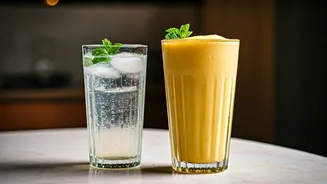
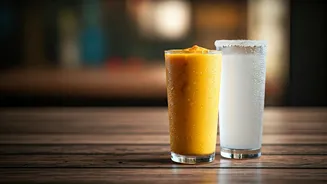
For many Americans, the mango lassi is the entry point into the world of Desi drinks, and for good reason. This creamy, yogurt-based smoothie is the undisputed king of the genre. Made from ripe mangoes, yogurt, a splash of milk, and sometimes a hint of cardamom or saffron, it’s a perfect balance of sweet, tangy, and rich. Lassi has been a staple in the Indian subcontinent for centuries, prized for its probiotic qualities and its ability to cool the body and temper the heat of spicy food. Today, it stands as a delicious bridge between cultures—familiar enough to be approachable, yet distinct enough to feel like a discovery. It’s the drink that proves comfort can also be incredibly cool.
The Insider's Choice: Nimbu Pani
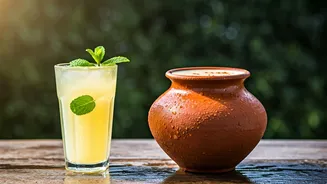
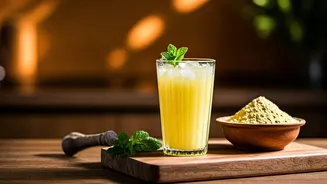
If lassi is the ambassador, nimbu pani is the cool, understated insider. At its core, it's Indian lemonade, but that description hardly does it justice. Known as shikanji in some regions, this powerhouse hydrator is a masterful blend of sweet, sour, and, crucially, salty. Made with fresh lime juice, water, sugar, and a pinch of black salt (kala namak), it has a savory, slightly funky depth that replenishes electrolytes and quenches thirst on a molecular level. Often spiced with cumin or chaat masala, it’s a bracing, complex sipper that resets your palate and shocks your system in the best possible way. It’s the drink you order when you know what’s up.
The Celebration: Falooda
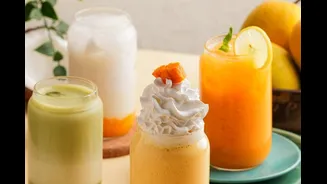
Then there’s falooda, which isn't just a drink; it's an experience. This layered, dessert-like beverage is a feast for the eyes and the palate. Served in a tall glass, it features a psychedelic mix of ingredients: chewy vermicelli noodles, plump basil seeds (sabja), neon-pink rose syrup, and creamy milk, often topped with a scoop of ice cream and a sprinkle of pistachios. Each spoonful is a textural adventure. Originating in Persia and popularized in the Indian subcontinent, falooda is pure, unabashed celebration. It’s not a quiet, minimalist drink; it’s a joyous, maximalist declaration. In the age of Instagram, its vibrant, photogenic layers make it a natural star, but its true power lies in its delightful, over-the-top deliciousness.
The Modern Wellness Twist
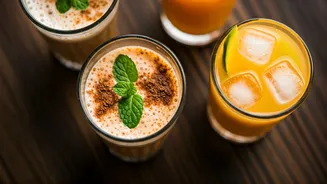
The trend also aligns perfectly with modern wellness culture. Many Desi drinks are rooted in Ayurvedic principles and feature ingredients lauded for their health benefits. Think chilled golden milk (haldi doodh) with anti-inflammatory turmeric, or refreshing buttermilk (chaas) seasoned with ginger and cilantro to aid digestion. As consumers increasingly look for beverages that do more than just hydrate, these time-tested recipes offer a compelling—and delicious—alternative to kombucha or green juice. They represent a form of wellness that is ancient yet perfectly suited for the modern palate, connecting a new generation to centuries of culinary wisdom.