



The Tyranny of the Heavy Lunch
For years, the American lunch was defined by heft. Think of the deli sandwich piled high with cured meats and thick bread, the creamy pasta special, or the burger and fries combo. These were meals designed for a different era, a time when a 'power lunch'
often meant a nap-inducing midday feast. But in today's world, where afternoon productivity is key, the heavy lunch plate has become a liability. It’s the culinary equivalent of an anchor. The rich sauces, heavy starches, and dense proteins require significant digestive energy, diverting resources from your brain and leaving you feeling sluggish, foggy, and ready for a desk-side siesta. This isn't about food shaming; it's about food functionality. The classic heavy lunch simply isn’t optimized for modern life.
Defining the 'Tangy Coastal' Vibe
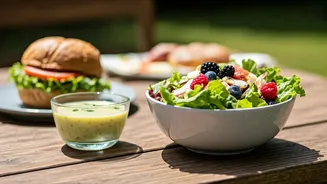
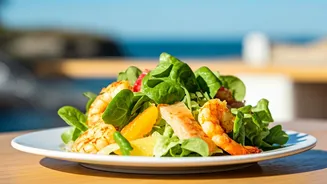
So, what’s the antidote? Enter the 'tangy coastal' meal. This isn't about a specific, rigid cuisine but rather an ethos—a feeling on a plate. It's the flavor profile of sunshine and sea breezes. Think of the sharp, clean bite of lime in a ceviche, the bright acidity of a tomato and feta salad drizzled with oregano-infused vinaigrette, or the zesty punch of pickled vegetables in a Vietnamese bánh mì or noodle bowl. These meals prioritize freshness and vibrancy. The 'tang' comes from citrus (lemon, lime, grapefruit), vinegar (from crisp apple cider to mellow rice wine), and fermented foods (like yogurt or pickled onions). The 'coastal' element implies lightness: grilled fish, lean chicken, shrimp, beans, and an abundance of fresh herbs and vegetables. It's less about geography and more about a state of mind: light, bright, and full of life.
The Simple Science of Feeling Good
There’s a reason these meals make you feel energized instead of enervated. It’s not magic; it’s simple food science. Tangy, coastal-style dishes are typically lower in the heavy, processed carbohydrates and saturated fats that can lead to a rapid spike and subsequent crash in blood sugar. Instead, they are built on a foundation of lean protein, healthy fats (like those from olive oil and avocado), and fiber-rich vegetables. This combination promotes a slower, more stable release of energy. The acidity itself plays a role, too. A squeeze of lemon or a splash of vinegar can not only brighten flavors but also help balance the palate, making a dish feel refreshing and clean rather than heavy and cloying. You're not just eating a meal; you're fueling your afternoon with ingredients that work with your body's natural rhythms, not against them.
Bring the Coast to Your Kitchen (or Desk)
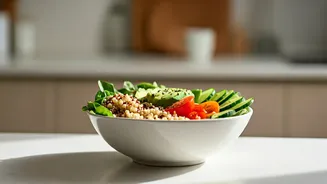
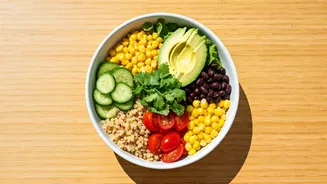
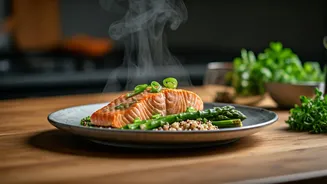
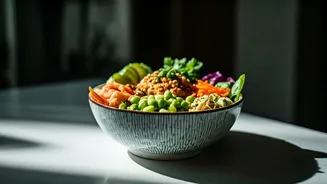
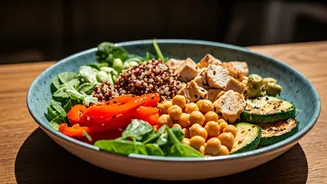
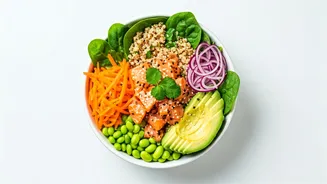
Embracing this style of eating doesn’t require a beach house or a personal chef. It’s about simple swaps and a shift in perspective. Instead of a creamy chicken salad sandwich, try a Greek yogurt-based version with dill and lemon juice, served in lettuce cups. Instead of a beef burrito, build a deconstructed 'burrito bowl' with black beans, corn salsa, avocado, and a generous squeeze of lime. Fish tacos on corn tortillas, a big Mediterranean quinoa salad loaded with cucumbers, tomatoes, and olives, or even a simple piece of grilled salmon with a side of lemony asparagus can completely transform your midday meal. The goal is to build a plate of vibrant colors and sharp, exciting flavors that wake up your senses, rather than put them to sleep.