



The Fantasy We Were All Sold
For years, Western travelers have been fed a specific, romantic narrative about Bangkok street food. It was championed by globetrotting chefs like Anthony Bourdain, who portrayed it as the pinnacle of authenticity—a democratic, delicious, and slightly
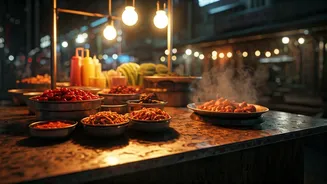
dangerous culinary landscape where a few bucks could buy you the best meal of your life. This wasn't just food; it was an experience. It was about pulling up a wobbly stool next to a tuk-tuk driver, pointing at something you couldn't name, and having your senses completely rewired by chili, lime, fish sauce, and sugar. The promise was one of genuine connection, a portal into the real, unfiltered life of the city. This ideal became the gold standard for adventurous eating, a badge of honor for anyone who considered themselves a 'traveler,' not a 'tourist.'
Enter the Instagram Checklist
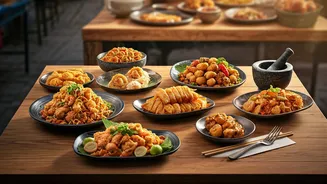
Then came the internet, and with it, the great flattening of discovery. The spontaneous, organic experience of stumbling upon a hidden gem was gradually replaced by a digital checklist. Suddenly, it wasn't about finding *a* great bowl of boat noodles; it was about finding *the* specific bowl of boat noodles you saw on a viral TikTok. Food bloggers and Instagram influencers became the new tastemakers, turning humble, family-run stalls into global destinations with snaking queues of foreigners. The act of eating became secondary to the act of documenting the meal. The focus shifted from the taste of the pad thai to getting the perfect overhead shot for the 'gram. This phenomenon concentrated tourist traffic on a handful of 'must-visit' spots, leaving countless other excellent vendors undiscovered while turning legends into crowded, sometimes overwhelmed, photo ops.
The Michelin Star Paradox
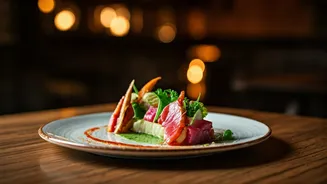
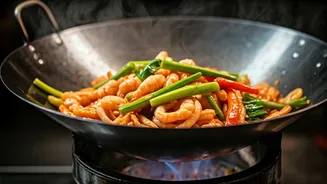
The arrival of the Michelin Guide in Bangkok in 2017 was the ultimate validation, but it also cemented street food's transition from local staple to international spectacle. When Jay Fai, a 70-something chef in ski goggles, earned a Michelin star for her masterful crab omelets and drunken noodles, she became a global icon overnight. While a phenomenal achievement, it also created a paradox. Michelin stars are a formal, European benchmark of culinary excellence, fundamentally at odds with the informal, chaotic spirit of street food. The star turned Jay Fai's shophouse into an exclusive dining experience with months-long waiting lists and premium prices. It was an acknowledgment of quality, yes, but it also contributed to the idea that the 'best' street food was now a specific, quantifiable, and often inaccessible thing to be conquered, rather than a sprawling, everyday culture to be explored.
A Cleaner, Quieter Sidewalk
While global foodies were flocking to Bangkok, the city itself was changing. For years, municipal authorities have waged on-and-off campaigns to 'clean up' the city's famous sidewalks, citing hygiene and pedestrian access. These efforts have pushed vendors off major thoroughfares in areas like Sukhumvit and Silom, relocating many to organized, sometimes sterile, food courts or designated zones. While the food itself often remains excellent, the context is altered. Part of the original 'bait' was the chaotic, vibrant atmosphere—the feeling of being immersed in the city's raw energy. Eating in a sanitized, orderly market just doesn't carry the same thrill. The wild, sprawling ecosystem that travelers dreamed of is now more contained, more regulated, and frankly, a lot harder to find.
So Is It All Just Bait?
To call it all 'bait' is perhaps too cynical, but the headline has a point. The *fantasy* of Bangkok street food is absolutely bait. The dream of a pristine, undiscovered Bourdain-esque adventure is largely a relic of the past. But the food? The food is real. It is still, without question, one of the most incredible culinary experiences on the planet. The secret is to adjust your expectations. Don't go searching for a ghost. Don't stand in a two-hour line for a crab omelet just for the photo. Instead, wander down a side soi (alley), find a cart with a line of locals, and take a chance. The most memorable meal you have might not be the one you saw on Netflix, but the one you found yourself.