


The Perfect Storm for Germs
So, what is it about a monsoon that turns a delicious meal into a potential health hazard? It’s a two-pronged attack by Mother Nature. First, the constant high humidity creates an ideal breeding ground for bacteria and mold. Pathogens that would otherwise
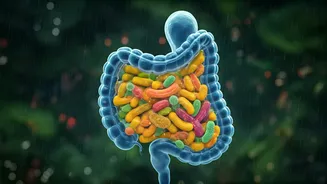
struggle to multiply thrive in the damp, warm air, settling on everything from countertops to uncooked food. Second, and more critically, the heavy rains often overwhelm drainage and sewage systems. This leads to widespread water contamination, as runoff from streets, farms, and sewers can easily taint the public water supply, as well as the soil where vegetables are grown. That means bacteria like E. coli, Salmonella, and viruses like Hepatitis A and Norovirus have more opportunities to find their way into your food and water.
Navigating the Street Food Scene
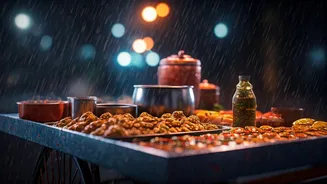
Street food is often the heart and soul of a city's culinary life, especially in South and Southeast Asia, where monsoons are a fact of life. While it’s tempting to dive into every local delicacy, this is the time to be extra selective. The main culprits are foods that are pre-cut and left exposed to the humid air, or those that use unverified water sources. Think twice about juices, chutneys, or golgappa/pani puri where the water quality is unknown. Instead, opt for vendors who are cooking food to order right in front of you. The heat from frying or boiling is your best friend, as it kills most harmful microorganisms. Look for stalls that are busy—a high turnover rate means ingredients are fresher and haven't been sitting out for hours.
The Riskiest Items on the Menu
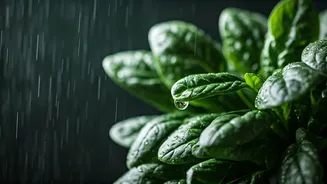
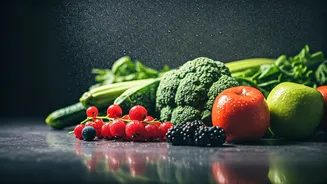
Certain foods become particularly risky during this season. Leafy green vegetables like spinach and cabbage are a major one; their porous, layered surfaces can trap contaminated soil and water, making them difficult to clean thoroughly. It’s why many locals in monsoon-prone regions switch to gourds and other less-absorbent vegetables. Raw foods of any kind, including salads and cut fruit, are also best avoided unless you prepare them yourself. Similarly, be cautious with seafood. Fish and shellfish sourced from waters contaminated by monsoon runoff can carry a higher load of toxins and bacteria. Dairy products like yogurt or cheese that aren't properly refrigerated can also spoil much faster in the humidity.
Your Safe-Eating Playbook
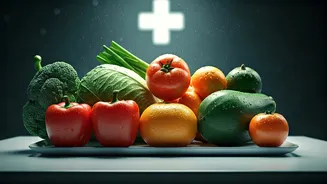
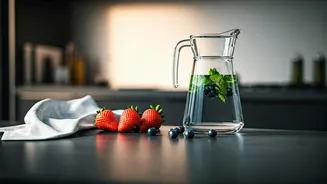
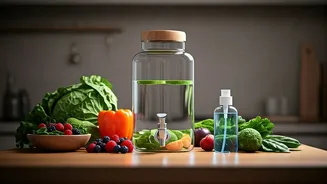
Staying healthy doesn’t mean you have to starve. It’s about making smarter choices. The golden rule is simple: eat it hot, peel it yourself, or forget it. Prioritize freshly cooked, steaming-hot meals. For hydration, stick to bottled, boiled, or properly filtered water, and be wary of ice in your drinks. If you’re craving fruit, choose ones you can peel yourself, like bananas or oranges, as the skin provides a natural barrier. Washing your hands thoroughly and frequently is a non-negotiable, fundamental step. And while it may seem counterintuitive, boosting your immunity with healthy, home-cooked food rich in vitamin C can also give your body a better fighting chance against any germs that do slip through.
A Lesson for Any Weather Event
While the term "monsoon" feels exotic to many in the U.S., the principles of food safety here are universal. The same risks apply during and after any major weather event that involves flooding and power outages, like a hurricane or a severe thunderstorm. Contaminated floodwaters can spoil crops in the field, and a loss of electricity compromises refrigeration, making food at home and in restaurants unsafe. The core lesson from monsoon eating is applicable everywhere: when water and humidity get out of control, you need to be extra vigilant about what you eat and drink. The safest bet is always food that's been thoroughly cooked and served hot.