






A Himalayan Kingdom on Your Feed
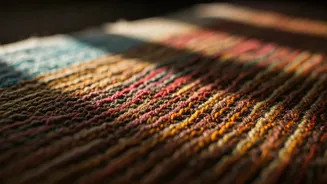
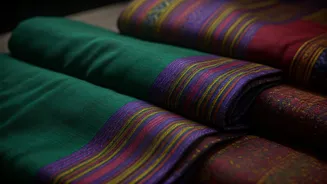
If your social media algorithm is tuned to global style, you’ve likely noticed a distinct aesthetic emerging. It’s characterized by rich, hand-woven textiles, bold stripes, and elegant, flowing silhouettes that feel both ancient and strikingly contemporary.
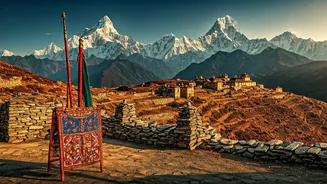
This is the visual language of Sikkim, a region nestled between Bhutan, Tibet, and Nepal. Once a remote kingdom, its cultural identity is now finding a global audience through Instagram, Pinterest, and TikTok. For many Americans, it’s a first glimpse into a world of fashion that prioritizes story and heritage over fleeting trends, offering a welcome departure from the mass-produced styles that dominate the mainstream.
The Centerpiece: Understanding the Bakhu
At the heart of Sikkimese traditional dress is the *Bakhu* (or *Kho* in some communities), a unisex garment that speaks volumes about the region’s culture and climate. Essentially a full-length, wraparound robe, it’s typically made of thick, hand-woven wool to provide warmth in the cool mountain air. The garment is fastened at the waist with a silk or cotton belt, creating a large pocket-like fold at the front used for carrying personal items. While the men's version is often more subdued, the women’s *Bakhu* is frequently crafted from jewel-toned brocades and luxurious silks, often imported or inspired by Tibetan textiles. It’s worn over a long-sleeved silk blouse called a *Honju*, creating a layered look that is both practical and deeply elegant.
Woven Stories of Identity
Sikkimese attire is a tapestry of its diverse communities, primarily the Bhutia, Lepcha, and Nepali people. For the Bhutia community, one of the most iconic elements worn by married women is the *pangden*, a multi-colored striped apron worn at the front. This isn't just a decorative piece; it's a powerful symbol of marital status and cultural identity, woven with a unique palette that can signify family lineage. The Lepcha people, Sikkim’s indigenous inhabitants, have their own distinct textiles, often featuring geometric patterns on durable cotton. This complex interplay of garments, materials, and motifs means that traditional dress is more than just clothing—it’s a living document of a person’s community, status, and connection to their heritage.
The New Wave of Sikkimese Design
The “flood” of these styles onto social media isn’t happening by accident. It's being driven by a new generation of Sikkimese designers, influencers, and young people who are proudly re-engaging with their roots. They aren't simply replicating museum pieces; they're reimagining them for a modern world. You might see a designer create a chic, knee-length jacket with the classic *Bakhu* collar, or style a traditional brocade fabric into a contemporary pantsuit. Influencers are pairing the silk *Honju* blouse with high-waisted jeans, or using the hand-woven fabrics for accessories like bags and scarves. This movement isn’t about diluting tradition but celebrating it, making it accessible and relevant for everyday life while honoring the craftsmanship and symbolism behind each piece.
From Local Pride to Global Stage
So why is this happening now? For one, it’s a powerful expression of cultural pride in a globalized world that often erases local identities. By wearing and sharing their heritage, young Sikkimese are making a statement about who they are and where they come from. Secondly, social media has decentralized the fashion industry. A designer in Gangtok, Sikkim's capital, can now reach an audience in New York or Los Angeles without needing the validation of traditional fashion gatekeepers. This digital stage allows for a more authentic and diverse representation of style, moving beyond the Western-centric view of what is considered fashionable. It’s a celebration of specificity, proving that the most compelling trends often come from the most personal stories.