



From Generic to Geographic
For decades, the American packaged meal was a study in broad strokes. You had 'Italian' (usually a vaguely tomato-and-oregano-based red sauce), 'Mexican' (often just cumin and chili powder), and 'American' (a comforting but non-specific blend of salt,
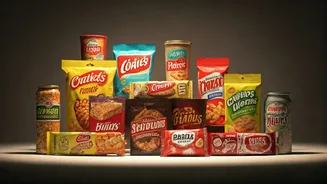
fat, and nostalgia). Think of the classic Salisbury Steak TV dinner: it wasn't from Salisbury, North Carolina, or Salisbury, Maryland. It was just… from the TV dinner factory. But that era of flavor generalization is fading. Today, the biggest players in the food industry, from Kraft Heinz to Conagra, are drilling down. They're not just selling chicken; they're selling you a taste of a specific place. This shift reflects a profound change in how Americans eat, think, and talk about food. The one-size-fits-all palate is being replaced by a map of dozens of distinct culinary destinations, all accessible from your microwave.
The Billion-Dollar Palate
So, why the sudden geography lesson in the frozen food aisle? It’s a calculated response to a savvier, more demanding consumer. For one, the market for generic comfort food is saturated. To find growth, companies need to appeal to new tastes. Market research consistently shows that younger consumers, particularly Millennials and Gen Z, crave authenticity and novel experiences. Raised on the Food Network, Anthony Bourdain, and endless Instagram feeds of regional delicacies, they don't just want food; they want a story. They want to know the origin of their Hatch chiles and what makes a BBQ sauce specific to the Carolinas versus, say, Kansas City. This isn't just about taste; it's about identity. By offering a 'Taste of Texas,' a packaged meal brand is selling more than brisket and beans; it's selling a miniature, accessible cultural experience. It’s a low-risk adventure for the palate, and companies are betting billions that we're hungry for it.
Authenticity on Aisle Five?
This brings us to the central, sizzling question: can a mass-produced, flash-frozen meal ever truly capture the soul of a regional dish? The answer is complicated. Sourcing specific, high-quality ingredients at a national scale is a massive logistical challenge. Nailing the nuanced, often multi-generational recipes for dishes like a Louisiana Gumbo or a New England clam chowder is even harder. Food scientists work tirelessly to replicate the smoky depth of real pit barbecue or the exact tangy heat of a Buffalo wing sauce, but it’s an imperfect science. To build credibility, or 'flavour cred,' brands are using a few key strategies. Some partner with well-known regional chefs or restaurants for limited-edition lines. Others focus on ingredient transparency, explicitly calling out the 'Wisconsin cheddar' or 'Maine lobster' on the packaging. Ultimately, the goal isn't to create a perfect replica—which is likely impossible—but to create a product that is recognizably inspired by the real thing and respectful of its origins. It has to be good enough to make a Texan nod in grudging approval, even if they’d never admit it out loud.
The New American Pantry
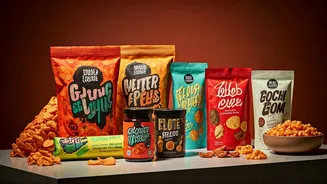
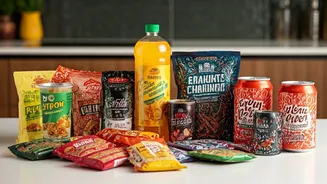
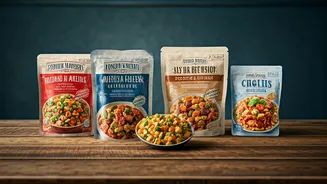
Look around and you'll see this trend everywhere. Kraft Heinz's Devour line has been a pioneer, with bold offerings like Buffalo Chicken Mac & Cheese. Stouffer's, a long-time king of comfort classics, has expanded its offerings to include more regionally-coded dishes. Even newer, health-focused brands like Kevin's Natural Foods are leaning into the trend with paleo-certified versions of Korean BBQ and Thai Coconut Curry. The focus is overwhelmingly on American regionalism—the diverse tapestry of Southern, Southwestern, Midwestern, and coastal cuisines. These meals are becoming a new kind of American pantry, reflecting a country that is increasingly curious about its own internal diversity. It's a sign that our collective understanding of 'American food' is finally moving past the burger and apple pie stereotype to embrace the rich, complex, and sometimes spicy reality of what we eat.