

So, What Exactly Is ‘Chatpata’?
If you’ve ever tried to explain ‘umami’ to a friend, you have a head start. Like that savory fifth taste, ‘chatpata’ is more of an experience than a single flavor. In Hindi, the word loosely translates to ‘lip-smacking,’ but that barely scratches the surface.
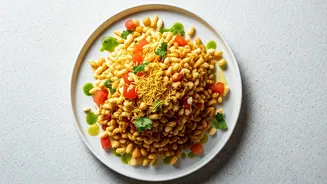
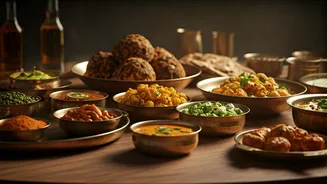
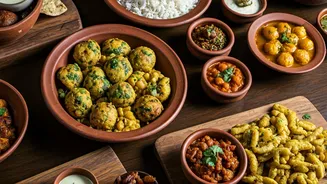
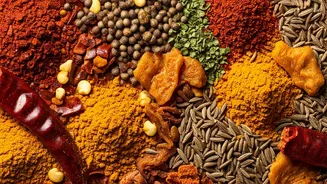
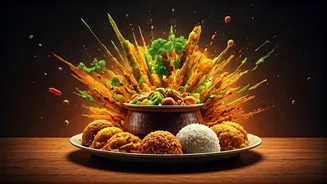
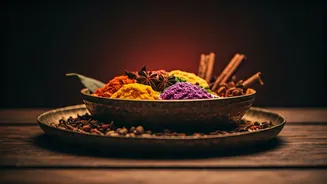
It’s a riotous symphony of sensations: the puckering tang of tamarind or dried mango powder (amchur), the slow burn of chili, the pungent funk of black salt (kala namak), the cooling freshness of mint and cilantro, and a balancing touch of sweetness from jaggery or dates. Imagine the explosive flavor of a spoonful of pani puri, where a crispy shell gives way to a rush of spiced water, potatoes, and chutneys. That’s chatpata. Think of bhel puri, a jumble of puffed rice, raw onions, and crunchy noodles tossed in tangy and spicy sauces. That’s chatpata, too. It’s a deliberate, joyful assault on the senses, designed to wake up your palate and leave you wanting more.
From Street Carts to Supermarket Shelves
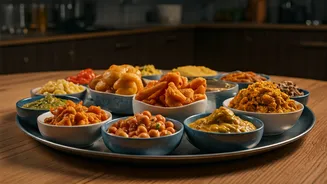
For generations, the home of chatpata was the street. Vendors, known as ‘chaatwalas,’ have been the masters of this culinary art form, whipping up snacks on carts for hungry commuters and shoppers. The dishes were cheap, fast, and packed an unforgettable punch. For a long time, these flavors were considered distinct from the food you’d eat at home or in a formal restaurant.
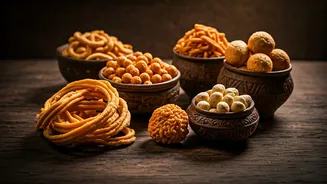
But that wall is crumbling. The chatpata flavor profile is staging a full-scale invasion of India’s entire food ecosystem. You’ll find it in the snack aisle, where potato chip giants like Lay’s have found massive success with their ‘Magic Masala’ flavor—a dry, powdered version of the chatpata experience. Health-conscious brands are launching roasted snacks with chatpata seasoning. It's becoming the default ‘exciting’ flavor for everything from popcorn to instant noodles.
Fine Dining Gets the Message
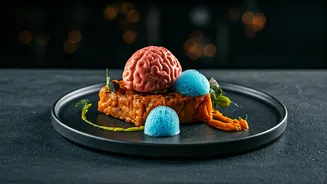
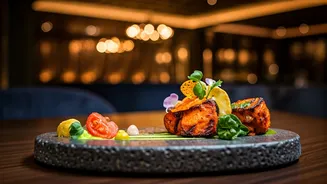
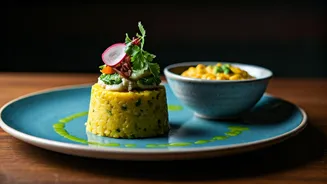
Perhaps most significantly, chatpata has graduated to the world of fine dining. Across cities like Mumbai, Delhi, and Bengaluru, innovative chefs are deconstructing and reimagining classic street foods. They’re taking the flavor principles of chatpata and applying them to sophisticated dishes. You might find a deconstructed samosa with foams and gels that still deliver that familiar tangy-spicy hit, or a chaat-inspired salad on a tasting menu, or even a chatpata-spiced cocktail.
This isn't just a gimmick; it’s a confident embrace of India’s own culinary heritage. Instead of looking to France or Italy for inspiration, chefs are looking to the streets of their own cities, recognizing the complexity and brilliance of flavors that have been perfected over decades. By putting chaat on a white tablecloth, they are declaring that Indian street food is as worthy of celebration as any other global cuisine.
Why This Flavor, and Why Now?
Several forces are fueling the chatpata craze. First, a young, adventurous Indian consumer base is eager for new experiences but also deeply connected to familiar tastes. Chatpata offers the best of both worlds: the comfort of nostalgia with the thrill of intense flavor. Second, as incomes rise, there's more demand for high-quality packaged snacks and exciting dining-out options that go beyond the standard curry house fare.
There’s also a powerful element of national pride at play. In a globalized world, embracing uniquely Indian flavors is a way of asserting cultural identity. The visual, chaotic, and colorful nature of chaat also makes it incredibly social-media-friendly. A beautifully plated bhel puri is far more ‘Instagrammable’ than a simple bowl of daal, turning diners into marketers and accelerating the trend.