




Understanding the Destination
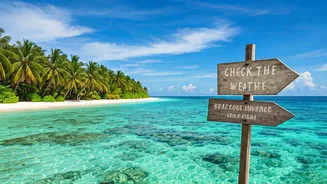
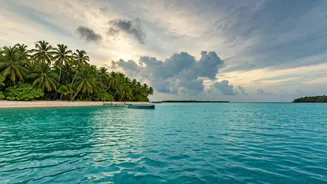
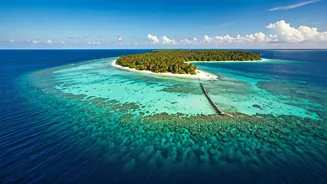
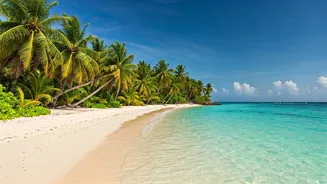
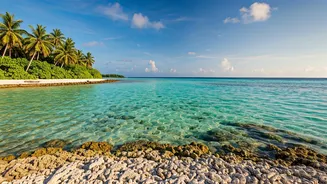
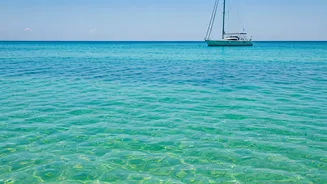
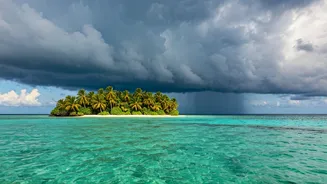
First, let's set the scene. Lakshadweep isn't a sprawling resort hub; it's a chain of 36 fragile coral atolls in the Arabian Sea, with only a handful open to tourists. The very thing that makes it so breathtaking—its untouched, pristine nature—is precisely
why it’s so heavily regulated. The islands are a protected Union Territory of India, managed with a strong emphasis on ecological preservation. The local culture is unique, and the infrastructure is intentionally limited to prevent the kind of over-tourism that has plagued other tropical destinations. Approaching a trip here means trading the mindset of a consumer for that of a guest who is visiting a delicate and cherished home.
The Permit Puzzle Is Your First Step
Here is the single most important piece of information for any prospective traveler: you cannot just show up. All visitors, including Indian citizens from the mainland, require an entry permit. This isn't a simple visa-on-arrival situation. For Indian tourists, the process involves having a verified booking with an authorized tour operator or resort on the islands. Your local contact in Lakshadweep will then help secure the permit on your behalf from the administration in Kavaratti, the capital. For foreign nationals, the rules are even stricter, and visiting certain islands may be restricted. This process can take weeks, making last-minute plans a non-starter. The permit system is the government's primary tool for managing tourist flow and ensuring the archipelago's carrying capacity isn't overwhelmed.
Booking Flights and Ferries Far in Advance
Once you've wrapped your head around the permit, you face the next logistical hurdle: getting there. The main gateway to Lakshadweep is Agatti Island, which is served by a single airport with limited flights, primarily from Kochi in the state of Kerala. Alliance Air is the sole operator, and these flights are often booked out months in advance, especially during peak season (October to May). The alternative is a passenger ship from Kochi, which offers a more scenic but much longer journey (14 to 20 hours). These ships, like the flights, have a limited schedule and capacity. Spontaneity will leave you stranded on the mainland. Travel to Lakshadweep must be forecasted, with transport booked as soon as your travel window is confirmed—often 3-6 months ahead of time.
Accommodations: Eco-Conscious, Not Endless
Forget sprawling all-inclusive resorts with hundreds of overwater bungalows. Accommodations in Lakshadweep are charming, clean, and largely eco-conscious, but they are also few and far between. Most tourism is managed by the Society for Promotion of Nature Tourism and Sports (SPORTS), a government body that runs simple but beautiful beach resorts on islands like Bangaram, Thinnakara, and Kadmat. There are a few private resorts, but they are also small-scale and must be on the administration's approved list for permit processing. You book your stay, and your stay helps you get a permit—the two are linked. This curated, limited approach ensures that development remains sustainable and the serene atmosphere that travelers seek is preserved.
Travel with a Light Footprint
The stringent rules aren't arbitrary; they exist to protect one of the world's most delicate marine ecosystems. The coral reefs of Lakshadweep are its crown jewels, and responsible tourism is not just encouraged, it's enforced. Visitors are expected to adhere to strict guidelines: no picking or collecting coral or shells (even if found on the beach), no single-use plastics on many islands, and participation only in water sports offered by authorized operators who follow environmental protocols. Understanding this before you go transforms the rules from frustrating barriers into a shared responsibility. You're not just a tourist; you're a temporary custodian of a paradise.