








Beyond the Guidebook: The New Travel Mindset
For generations, being a “good traveler” meant having your passport, booking your hotels, and maybe learning a few phrases in the local language. Today, that’s just the starting line. True travel mastery isn’t about what’s in your suitcase; it’s about what’s on your phone.
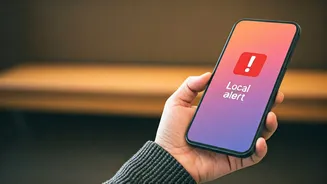
The smartest flex is no longer the five-star hotel room, but the quiet confidence that comes from knowing what’s happening on the ground around you. Think about it: a sudden transit strike, an unexpected street festival closing roads, a rapidly developing weather system, or a local political protest. These events rarely make the international news but can drastically impact your day—or even your safety. While other tourists are left confused and stranded, the informed traveler has already seen the alert, adjusted their plans, and is sipping a coffee miles away from the disruption. This isn't about paranoia; it's about proactive peace of mind. It’s about transforming yourself from a passive visitor into a situationally aware, empowered navigator.
The Official Route: Start with STEP
Before you download a single app, your first and most crucial move for international travel is enrolling in the U.S. Department of State’s Smart Traveler Enrollment Program (STEP). This free service is the bedrock of any smart traveler’s alert system. By registering your trip details—dates, destinations, and contact information—you connect yourself directly to the local U.S. embassy or consulate. What does this get you? First, you’ll receive official safety and security messages for your destination. These aren’t algorithm-driven news bites; they are curated, relevant alerts about everything from planned demonstrations to changes in local laws or security threats. Second, and most importantly, it helps the embassy locate you in an emergency. Whether it's a natural disaster, civil unrest, or a family emergency back home, being enrolled in STEP makes it significantly easier for consular officials to provide assistance. Think of it as a digital safety net provided by your own government. Skipping it is like driving without a seatbelt—an unnecessary risk.
Your Phone Is Your Watchtower
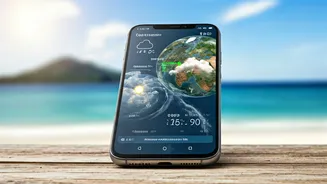
With the official layer in place, it’s time to build your on-the-ground intelligence network. Your smartphone is the command center. For U.S. domestic travel, apps like Citizen provide real-time, user-reported safety alerts, while the FEMA app is essential for tracking severe weather, from hurricanes to wildfires. For international trips, consider apps like GeoSure, which provide neighborhood-level safety scores for LGBTQ+ travelers, women, and other demographics, helping you understand the local vibe before you even book a hotel. Don’t forget the basics. Most countries have their own official weather and emergency alert apps, which are worth downloading for the duration of your stay. A quick search for “[Country Name] emergency alert app” will usually point you in the right direction. By layering these services, you create a comprehensive picture: official embassy alerts for major issues, and localized app notifications for immediate, street-level events.
The Unofficial Wire: Leverage Social Media
Sometimes the fastest information comes not from official channels, but from the people living and working in your destination. This is where social media becomes a powerful intelligence tool. Before your trip, use X (formerly Twitter) to create a private list. Add local news outlets, English-language journalists based in the city, official city transit authorities, and even local expat accounts. A quick scan of this list each morning can give you a real-time pulse that no guidebook can offer. For example, if you see multiple people tweeting about a shutdown on a specific metro line, you can reroute your journey before you even leave your hotel. Similarly, local community Facebook groups can be a goldmine for information on hyper-local events, business opening hours during a holiday, or tips from fellow travelers. The key is to curate your sources wisely and treat the information as a starting point for your own decisions, cross-referencing with official sources when necessary.