



The Great Transformation: Sun to Soul
For many Western travelers, a trip to South India conjures images of golden sand, bright sunshine, and bustling beach shacks in places like Goa or Varkala. But when the monsoon arrives, it orchestrates a profound change in character. The frantic energy
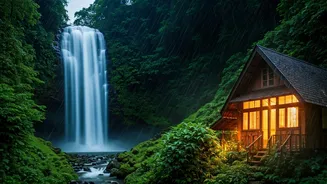
of peak season dissipates, replaced by a contemplative quiet. The new soundtrack isn't electronic music from a beachfront bar; it's the rhythmic drumming of rain on a terracotta roof, the rush of a newly awakened waterfall, and the chorus of frogs in the evening. This isn't the 'off-season' in a negative sense; it's a different season altogether. The focus shifts from outward activity to inward experience. It becomes a time for reading, for long conversations over hot chai, and for simply watching the world get a much-needed drink.
A World Washed in Green
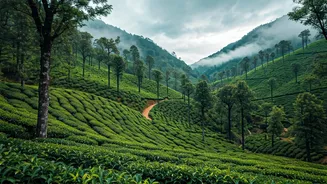
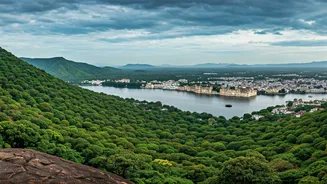
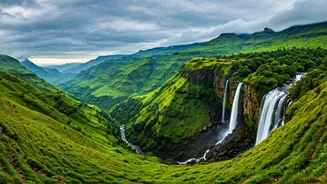
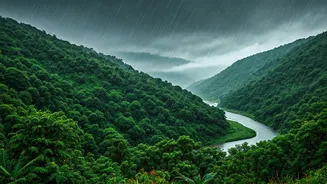
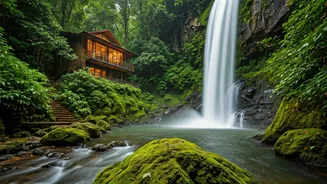
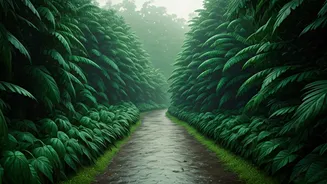
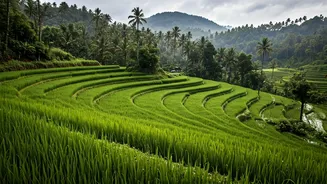
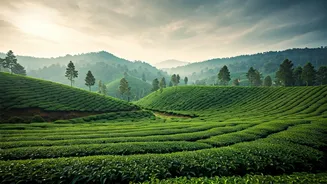
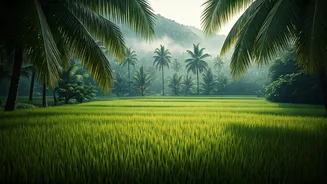
The most immediate and startling change is visual. The parched, dusty landscapes of the dry season undergo a hyper-real transformation. The Western Ghats, a mountain range that runs parallel to India’s western coast, sheds its brown skin for an almost impossibly vibrant emerald. Hills that were bare are suddenly carpeted in dense, glistening foliage. Temporary waterfalls cascade down rocky cliffs where none existed a week before. In Kerala, the famous backwaters swell, their canals reflecting the moody, magnificent cloudscape. For photographers and nature lovers, this is the real peak season. The air is clean, the colors are saturated, and the landscape feels alive and breathing. It’s a sensory overload of the best kind, defined by the earthy smell of petrichor—the scent of rain hitting dry soil.
The Perfect Time for Wellness
One of the most significant shifts in the travel scene is the rise of monsoon wellness tourism, particularly in Kerala, the cradle of Ayurveda. According to ancient Ayurvedic texts, the monsoon is the ideal time for rejuvenation therapies. The theory is that the air is humid and cool, and the skin's pores are more open, making the body more receptive to herbal oils and treatments. The dust-free environment is also considered healthier. Consequently, wellness resorts and Ayurvedic hospitals see a surge in visitors seeking everything from simple massages to intensive, weeks-long 'Panchakarma' detoxification programs. It’s a compelling proposition: healing your body while the world outside is being cleansed and renewed by the rain.
Practical Perks: Crowds, Costs, and Cautions
Beyond the poetic appeal, the monsoon brings tangible benefits. With tourist numbers down, you can experience famous sites without the crowds. This is the time to have the Periyar Wildlife Sanctuary or the Mattancherry Palace almost to yourself. And where demand falls, so do prices. Flights, accommodations, and package tours are often significantly cheaper than during the high season from December to February. However, it's not without its trade-offs. Swimming at many beaches is forbidden due to strong currents, and some remote roads can be temporarily affected by heavy downpours. The key is flexibility. Instead of a rigidly planned itinerary, monsoon travel rewards a go-with-the-flow attitude, where a rained-out afternoon becomes a welcome excuse to linger in a local cafe.
Where to Embrace the Rain
Not all of South India experiences the monsoon equally. The state of Kerala is the undisputed star of the season, with its lush backwaters, tea plantations in Munnar, and jungle retreats in the Ghats offering the quintessential monsoon experience. Neighboring Karnataka offers similar stunning green landscapes in regions like Coorg. Goa, while famous for its beaches, takes on a different, more subdued personality. Many beach shacks are dismantled, but it becomes a paradise for those seeking solitude, verdant scenery, and local flavor. In contrast, the state of Tamil Nadu on the eastern coast lies in a 'rain shadow' region and receives far less rainfall during the Southwest Monsoon, making it a good option for travelers who want a less intense version of the season.