







More Than a Walk in the Park
This isn't just about getting some fresh air. The gentle hike has been supercharged. We're in an era of structured, often grueling, outdoor endeavors. Participation in outdoor recreation has been climbing steadily for years, but the *nature* of that participation
is shifting. According to the Outdoor Industry Association, more Americans are not just getting outside, but they're engaging in activities that test their limits. In 2022, 168.1 million Americans, or 55% of the U.S. population, participated in outdoor recreation at least once—a record high. While casual activities like walking and fishing remain popular, there’s a noticeable surge in the appeal of high-effort pursuits. Think trail running that bleeds into ultramarathons, weekend camping trips that evolve into multi-day thru-hikes, and gym workouts that serve as training for events like the Spartan Race or Tough Mudder. The goal is no longer just to be *in* nature, but to conquer a piece of it—or, more accurately, to conquer oneself within it.
The Psychology of 'Good' Suffering
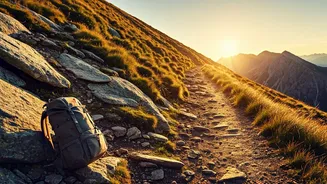
So, why the magnetic pull toward discomfort? The answer lies in a concept outdoor enthusiasts call "Type 2 Fun." It’s defined as an activity that’s miserable while it's happening but fun in retrospect. Think hauling a heavy pack up a freezing mountain in the rain. In the moment, it's awful. But the memory, the story, and the sense of accomplishment are deeply rewarding. Psychologists call this eustress, or beneficial stress. Unlike the chronic, draining stress of deadlines and bills, the acute stress of a physical challenge is something you choose and control. Overcoming it provides a powerful dopamine hit and a profound sense of agency. When you push your body to its perceived limit and discover it can go further, you’re not just building muscle; you’re building resilience. You’re proving to yourself that you can handle hard things, a lesson that translates directly back to the non-trail parts of life. This voluntary hardship recalibrates your entire perception of difficulty.
A Search for the Tangible
In a world dominated by digital abstraction—endless emails, virtual meetings, and algorithm-driven entertainment—an outdoor challenge offers something undeniably real. You can’t fake a summit. You can’t outsource the pain of the 20th mile. The blisters, sore muscles, and dirt under your fingernails are tangible proof of effort and existence. There's a delicious irony here: many of these intensely analog experiences are documented and shared on digital platforms. The summit selfie isn't just a brag; it’s a modern-day trophy, a testament to an achievement that happened entirely offline. It’s a way of building an identity grounded in physical reality, not just clicks and comments. This quest for authenticity is a direct response to a life that can feel increasingly virtual and disconnected from the physical world. It’s a way to feel your own heartbeat, your own breath, and the solid ground beneath your feet.
The Democratization of Endurance
What was once the domain of elite athletes and grizzled mountaineers is now accessible to the masses. The growth of organized challenge events has created clear, achievable pathways for everyday people. Companies have built entire ecosystems around this desire, offering training plans, community forums, and tiered event difficulties, from a 5K obstacle race to a 50K “Ultra Beast.” This structure removes the intimidating guesswork of planning a major expedition. It provides a finish line, a community of fellow sufferers, and a medal to make the achievement official. This accessibility has turned personal fitness goals into shared cultural experiences. It’s not just you against the mountain anymore; it’s you and thousands of others, all seeking that same potent cocktail of exhaustion and exhilaration.