






The Diet Drama Cycle
One week, carbs are the enemy. The next, it’s lectins, nightshades, or the time of day you eat. Modern diet culture often operates on extremes, casting certain foods as villains and others as miracle-working heroes. This creates a constant cycle of anxiety
and restriction. We're told to do a juice cleanse to “detox,” go keto for “fat-burning,” or cut out entire food groups for vague, unsubstantiated reasons. The result isn't always better health; it's often food-related stress, confusion, and a feeling that you're always one “wrong” choice away from failure. This all-or-nothing mentality is exhausting, expensive, and for most people, completely unsustainable.
So, What Is Functional Eating?
Functional eating is the antidote to that drama. At its core, it’s a simple, powerful idea: eating to support the specific needs and functions of your body. Instead of focusing on what you *can't* eat, you focus on what you *can add* to your plate to achieve a certain goal. It’s less about calories and macros and more about nutrients and their purpose. Think of your body as a system that sends you signals—fatigue, stress, poor sleep, inflammation. Functional eating is about learning to interpret those signals and responding with foods that can help. It shifts the question from a restrictive “Is this allowed?” to a proactive “What will this do for me?”
Less Restriction, More Intention
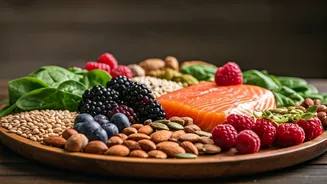
This is where functional eating truly breaks from the pack. Unlike prescriptive diets with long lists of forbidden foods, this approach is about personalization and intention. Feeling stressed and wired? A functional mindset might lead you to foods rich in magnesium, like almonds or leafy greens, which can help calm the nervous system. Dealing with sluggish digestion? You might prioritize fiber-rich foods like oats and lentils. Recovering from a tough workout? You’d focus on protein for muscle repair and anti-inflammatory foods like turmeric or berries to ease soreness. The food itself doesn't change—a blueberry is still a blueberry—but your reason for eating it becomes more targeted. It empowers you to build a diet that serves you, rather than conforming to a one-size-fits-all plan.
Your Plate, Your Function
Putting this into practice is surprisingly intuitive. It’s not about memorizing complex charts or buying exotic powders. It’s about building a toolkit of everyday foods. For brain fog, you might reach for omega-3-rich salmon or walnuts. For an immune system boost during cold season, you could add garlic, ginger, and citrus fruits to your meals. If your goal is stable energy throughout the day, you’d pair complex carbohydrates like sweet potatoes with a protein like chicken or beans to prevent blood sugar spikes. It’s a flexible framework that adapts to your life. Had a big, celebratory meal out? The functional approach isn't to punish yourself with a punishing workout, but to simply support your body the next day with hydrating, easy-to-digest foods.
Beyond the Superfood Hype
One of the best parts of this approach is its accessibility. While the wellness industry loves to market expensive and exotic “superfoods,” functional eating can be built around staples you already know and buy. Oats are fantastic for heart health and sustained energy. Lentils are a powerhouse of fiber and plant-based protein. Garlic has well-known antimicrobial properties. Blueberries are packed with antioxidants for brain health. The goal isn’t to chase the trendiest new berry from a remote mountain range; it’s to understand and appreciate the power of the foods readily available at your local grocery store. This makes healthy eating feel less like an exclusive club and more like a practical, everyday skill anyone can learn.