




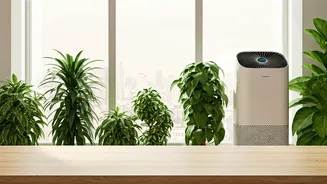



The Invisible Problem Indoors
We think of our homes as safe havens, sealed off from the noise and pollution of the outside world. But in our quest for energy efficiency, we’ve created a new problem: the airtight box. Modern homes and offices are so well-insulated that they trap not
just conditioned air, but a cocktail of indoor pollutants. Every time you breathe, you release carbon dioxide. Your furniture, carpets, and paint can off-gas chemicals called volatile organic compounds (VOCs). Even cooking and cleaning release particulates into the air. Without a way to escape, these substances accumulate. The U.S. Environmental Protection Agency (EPA) has consistently found that indoor air can be two to five times more polluted than outdoor air. This stagnant, chemical-laden atmosphere is what’s known as ‘sick building syndrome,’ contributing to everything from headaches and fatigue to irritated eyes and respiratory issues. We’ve become so accustomed to it that we often don’t notice, attributing our mid-afternoon slump to a bad night’s sleep or lack of coffee, when the real culprit might be the very air we’re breathing.
Your Brain on Fresh Air
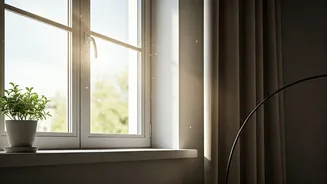
If you’ve ever felt your thinking get fuzzy in a stuffy conference room, you’re not imagining it. High concentrations of CO2, a proxy for poor ventilation, have a direct and measurable impact on cognitive function. Groundbreaking studies from institutions like the Harvard T.H. Chan School of Public Health have shown that when ventilation is improved and CO2 levels drop, people perform significantly better on tests of strategy, information usage, and crisis response. Essentially, your brain works better on fresh air. When you throw open a window, you’re not just letting in oxygen; you’re flushing out the CO2 that’s making your thoughts sluggish. The influx of fresh air dilutes the concentration of indoor pollutants, giving your brain the clean fuel it needs to fire on all cylinders. Think of it as a free, all-natural cognitive enhancer. That burst of clarity you feel when a breeze wafts through the room isn’t just a pleasant sensation—it’s your brain thanking you for a much-needed reset.
More Than Just Diluting Pollutants
The benefits of natural airflow go far beyond simple chemistry. There’s a profound psychological component that we often underestimate. The gentle, variable movement of a natural breeze is fundamentally different from the static, monotonous blast of an HVAC system. This dynamic sensory input can reduce stress and create a calming atmosphere. It also reconnects us to the world outside—the sound of birds, the scent of rain on pavement, the rustle of leaves. This concept, known as biophilia, suggests that humans have an innate need to connect with nature, and even small interactions can boost our mood and mental well-being. Furthermore, natural ventilation is a key player in regulating humidity and temperature, which are critical for restorative sleep. A cool, well-ventilated bedroom is one of the most commonly cited recommendations for improving sleep quality. Instead of relying solely on a machine to dictate your environment, natural airflow allows for a subtle, responsive climate that works with your body’s rhythms, not against them.
How to Welcome the Hero Home
Incorporating this quiet hero into your life doesn’t require a major renovation. It’s about building simple, mindful habits. The easiest method is cross-ventilation: open windows on opposite sides of your home to create a current that pulls fresh air through. Even cracking a window and using a fan to direct air outward can effectively exhaust stale air. Try a ‘daily flush’ by opening your windows wide for just 10-15 minutes each morning to clear out the air that accumulated overnight. If you’re concerned about outdoor allergens or pollution, you can check local air quality indexes online before opening up. In the kitchen, always use the exhaust fan when cooking to pull smoke and particulates out immediately. The goal isn’t to have your windows open 24/7, especially in extreme weather. It’s to be intentional about periodically exchanging the air in your living space, giving your home—and yourself—a chance to breathe.