



The Search for Authenticity
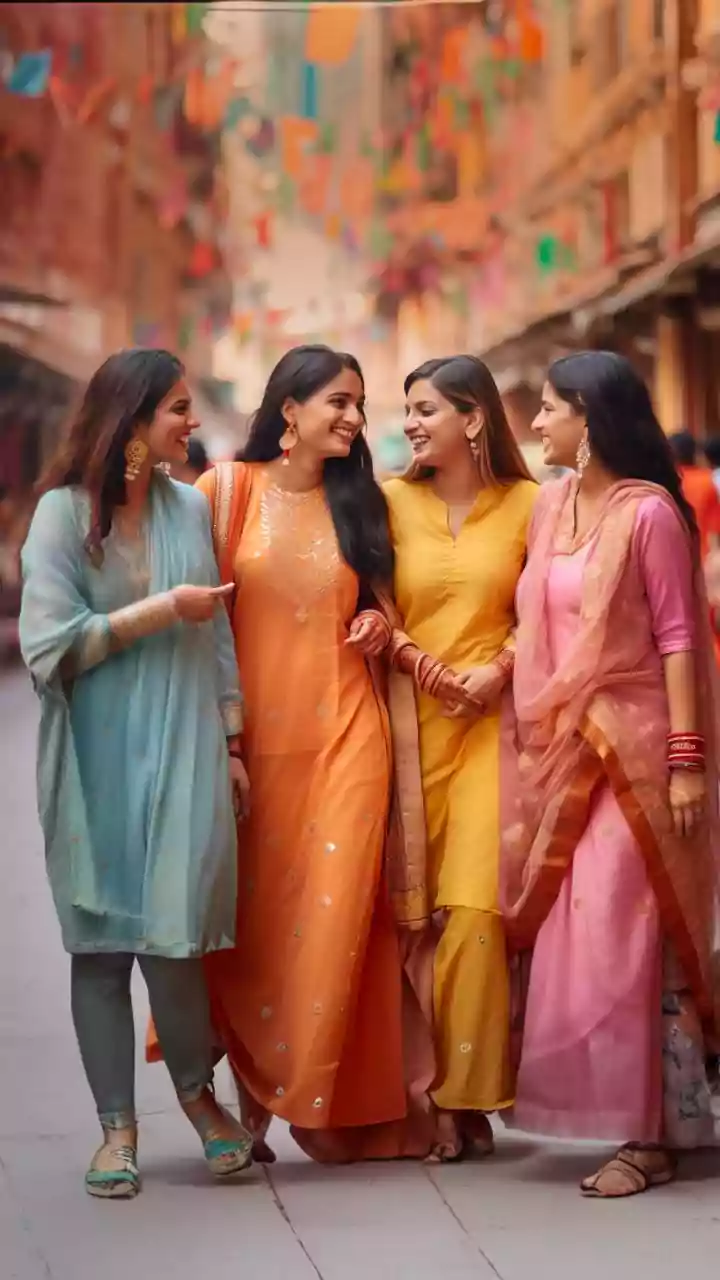
For years, the aspirations of many young, urban Indians were reflected in the same global storefronts you’d find in New York or London. Brands like Zara and H&M offered a ticket to a universal, Western-centric idea of cool. But a growing cohort of Gen
Z and young millennials is starting to find that aesthetic a little too uniform, a little too… anonymous. This isn't an outright rejection of the West, but rather a questioning of a fashion system that prizes speed and conformity over individuality and meaning. The new mantra isn't about looking like everyone else, but about crafting a wardrobe that tells a personal story—a story that feels authentic to who they are and where they come from.
A Handcrafted Revival
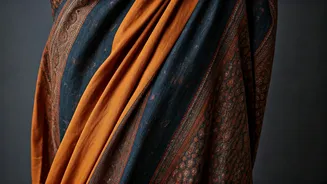
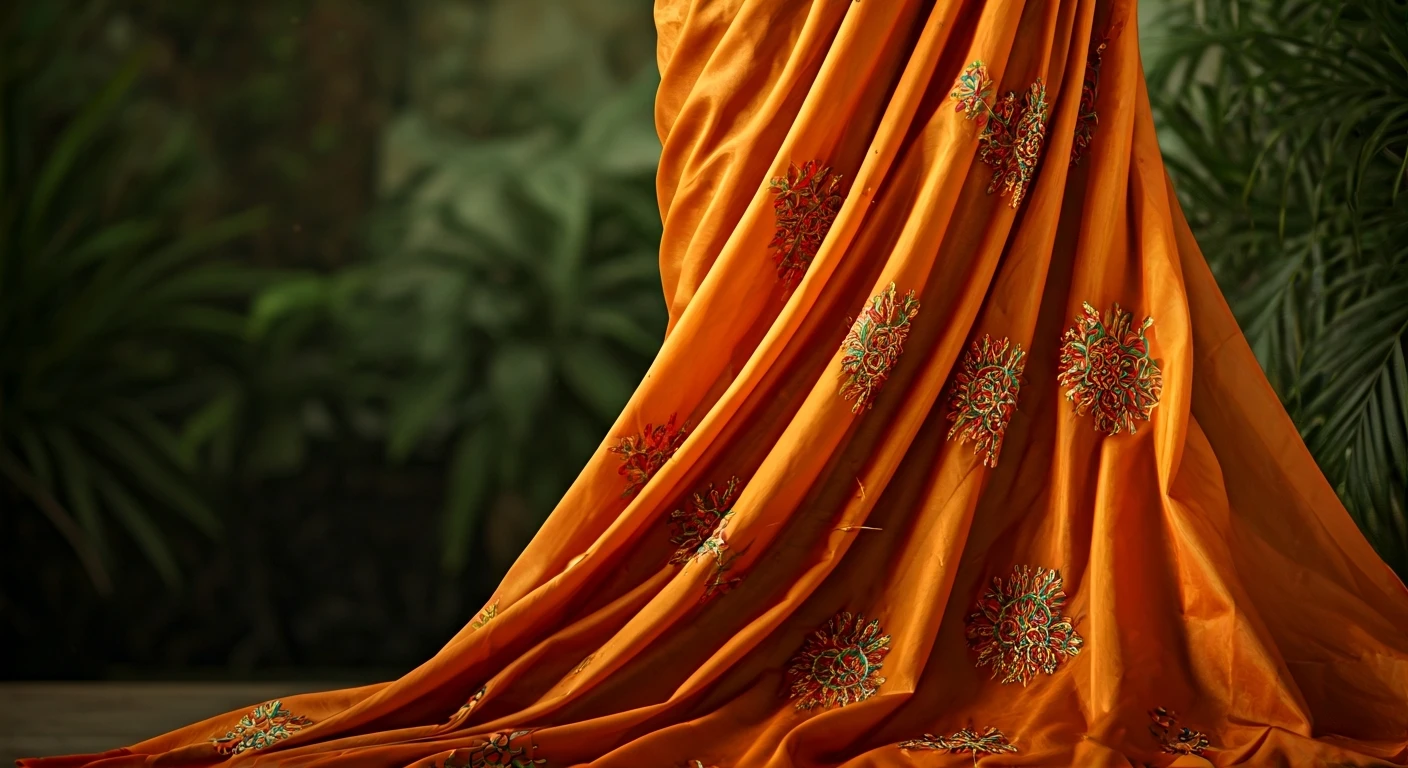
One of the most visible expressions of this shift is the renewed embrace of India's own rich textile heritage. Instead of polyester blends, closets are making room for breathable, handloom cottons and breezy linens perfect for the subcontinent's sweltering summers. Techniques that were once seen as dated are now the epitome of cool. Think block-printed kurtas from Jaipur, airy Jamdani weaves from Bengal, or the geometric intricacy of Ikat from Telangana. Each piece carries the subtle imperfections and unique signature of its maker, offering a direct antidote to the flawless, machine-made monotony of fast fashion. Wearing these garments is more than a style choice; it's a connection to centuries of craftsmanship and a celebration of a tangible, human touch in an increasingly digital world.
The Rise of Indie Labels
Fueling this movement is a new wave of independent Indian designers who are bypassing traditional retail to connect directly with consumers on platforms like Instagram. These small-batch labels often build their entire brand identity around character and narrative. They champion sustainable practices, use locally sourced materials, and work with artisan communities, weaving these values into their marketing. Brands like Doodlage create pieces from upcycled factory waste, while labels like Nicobar and Anokhi have built a following by reinterpreting traditional Indian motifs for a modern, global-minded audience. For young consumers, supporting these brands is a vote for a different kind of fashion industry—one that’s slower, more transparent, and tells a compelling story.
Vintage Finds and Thrifting Culture
While thrifting has been a cornerstone of individualistic style in the U.S. for decades, it’s a more recent phenomenon in India, where cultural stigmas around second-hand goods once ran deep. But that is changing fast. For a generation fluent in the language of sustainability and hungry for one-of-a-kind finds, online thrift stores and curated vintage drops are the new treasure troves. They offer a way to access unique pieces from different eras, from 90s-inspired denim to quirky printed shirts, without the environmental guilt of buying new. It’s the ultimate act of personalization: sifting through the past to create a style that is entirely one's own, breaking free from the current season's prescribed trends.