





An Annual, Nation-Spanning Frenzy
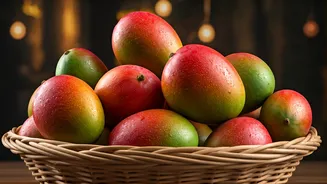
For a few precious months, typically from April to July, India’s collective consciousness is consumed by mangoes. In a country of 1.4 billion people, with staggering diversity in language, religion, and custom, the mango is a great unifier. News channels
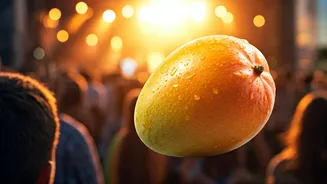
announce the arrival of the first crop with the gravity of election results. Newspapers run features debating the merits of different varieties. Families plan their schedules around shipments from ancestral farms or trusted vendors. This annual frenzy is about more than just a sweet treat; it’s a shared, nationwide ritual that marks the passage of time and offers a delicious escape from the sweltering summer heat. The fruit permeates every aspect of life, from friendly arguments at the dinner table to the plots of Bollywood films.
A Kingdom of Varieties
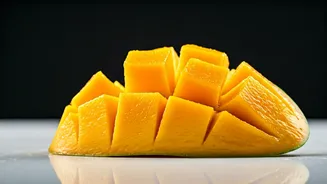
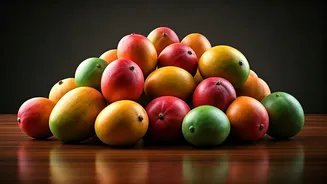
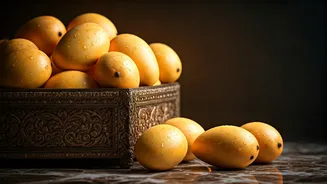
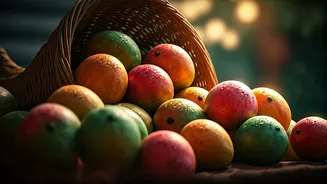
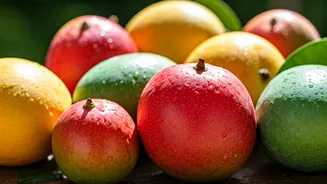
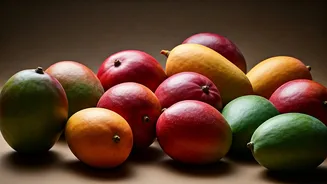
To an American accustomed to the ubiquitous Tommy Atkins or Kent varieties found in supermarkets, the sheer diversity of Indian mangoes is mind-boggling. There are over 1,500 varieties grown across the country, each with its own unique flavor profile, texture, and passionate fan base. The undisputed king is the Alphonso, or 'Hapus,' from the western coastal region of Maharashtra. Renowned for its saffron-hued, non-fibrous flesh and divine sweetness, a box of Alphonsos is considered a prized gift. But the kingdom has many contenders. Gujarat’s Kesar ('Saffron') is famous for its intense aroma and is a favorite for making pulp. From the north comes the sweet and tangy Dasheri and the uniquely greenish, slightly tart Langra. In the south, Banganpalli and Totapuri reign supreme. These regional loyalties are fierce, and debates over which mango is truly the best are a beloved national pastime, akin to Americans arguing over the best regional barbecue.
A Taste of Nostalgia
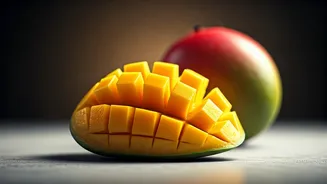
For most Indians, the love of mangoes is deeply personal and rooted in childhood. The flavor is inextricably linked to memories of summer vacations spent at a grandparent’s home, climbing trees to pick the fruit, or sitting on a veranda with siblings, juice dripping down your arms. The rituals are passed down through generations. There are specific ways to eat them: some peel and slice them with surgical precision, others massage the fruit until the pulp liquefies and then suck the juice from a small hole at the top, and many simply tear into them with joyful abandon. The sharing of the season’s first mango is an important family moment, a ceremonial act that kicks off months of indulgence. This deep-seated nostalgia is why the mango is more than a food—it's an emotional touchstone, a vessel for memories of family, youth, and simpler times.
From Local Treasure to Global Ambassador
India's obsession is no longer just a domestic affair. The mango has become one of the country's most potent cultural exports and a tool of soft power in what is often called “mango diplomacy.” For years, import restrictions kept many of the best Indian varieties out of the United States. But following a trade deal, irradiated Indian mangoes began arriving on American shores, creating a frenzy among the Indian diaspora and introducing a new world of flavor to curious foodies. Sending crates of premium mangoes to foreign dignitaries is a long-standing diplomatic tradition, a sweet gesture of goodwill. This global reach has turned the humble fruit into a significant economic engine, with exports growing annually. It’s a delicious form of cultural exchange, allowing the world to get a taste of an obsession that, for millions, defines the sweetest part of the year.