







First, Master Basic Hygiene
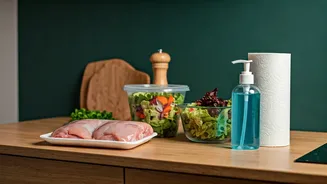
Before you even think about what to eat, think about cleanliness. When infrastructure is strained, contamination risks multiply. If your water supply is compromised or you're under a boil water advisory, assume nothing is clean. For handwashing, use bottled
water with soap if possible. If not, an alcohol-based hand sanitizer with at least 60% alcohol is your next best friend. Use it liberally before preparing or eating food. The same logic applies to surfaces and utensils. If there’s any chance that floodwater has touched your kitchen counters, cutting boards, or dishes, they must be thoroughly washed and sanitized. A simple solution of one tablespoon of unscented liquid chlorine bleach per gallon of water is an effective sanitizer. Let items air-dry after sanitizing. This isn’t about being fussy; it’s about preventing foodborne illnesses like E. coli or Salmonella, which thrive in compromised conditions.
Rethink Your Heat Source
A power outage doesn't have to mean cold canned beans for three days. However, heating food requires a new level of caution. Never use a charcoal grill, camp stove, or generator indoors—not even in the garage or on a covered porch. These produce carbon monoxide, a colorless, odorless gas that can be deadly. Your outdoor grill is your best option, provided you can use it in a well-ventilated area away from the house. A portable camp stove can also work, but again, only outdoors. If you have a gas range, you can likely still use the burners if you light them with a match, but check your appliance manual for safety instructions first. Always have a fire extinguisher nearby when using alternative cooking methods. The goal is a warm meal, not an accidental fire. Plan for no-cook meals as your primary option and treat a hot meal as a safe, well-planned bonus.
The Cardinal Rule: When in Doubt, Throw It Out
This is the most important piece of common sense. Your senses—smell, sight, and especially taste—are unreliable for detecting harmful bacteria. Food safety is a numbers game governed by time and temperature. Bacteria grow rapidly in the “danger zone” between 40°F and 140°F. A refrigerator without power will keep food safely cold for about four hours if the door remains closed. A full freezer can hold its temperature for about 48 hours (24 hours if half-full). Use a thermometer to be certain. Place an appliance thermometer in your fridge and freezer *before* a storm hits. If the temperature in the fridge rises above 40°F, perishable foods like meat, dairy, and leftovers must be discarded. Don't risk it. The cost of replacing a few groceries is minuscule compared to the cost—and misery—of a serious foodborne illness.
Build a Smarter Storm Pantry
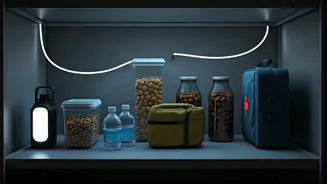
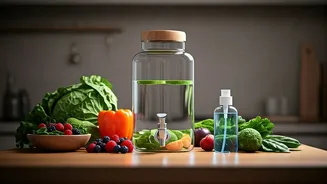
The best way to handle rainy meals is to prepare for them on a sunny day. A well-stocked emergency pantry removes stress and guesswork. Focus on non-perishable items that require no refrigeration, minimal water, and little to no cooking. Think beyond simple canned soup. Stock up on protein-rich options like canned tuna, chicken, or beans; ready-to-eat cereals and granola bars; peanut butter and other nut butters; dried fruits and nuts; and crackers. Don’t forget about comfort items like instant coffee or tea bags, and some shelf-stable juice or milk boxes. Make sure you have a manual can opener—a detail that’s easily forgotten until it’s desperately needed. And most importantly, stock at least one gallon of water per person, per day, for a minimum of three days. This water is for more than just drinking; you’ll need it for hygiene and any food prep that requires it.