







The Anti-Instagram Honeymoon
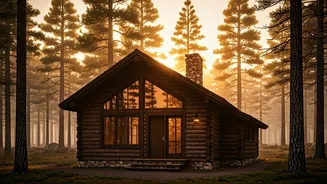
When we told people our honeymoon plan, the reactions were… mixed. We’d be spending a week in a cabin in Montana, learning to fly fish for trout. There would be no swim-up bar, no infinity pool, no couple’s massage with orchid-scented oil. My mother,
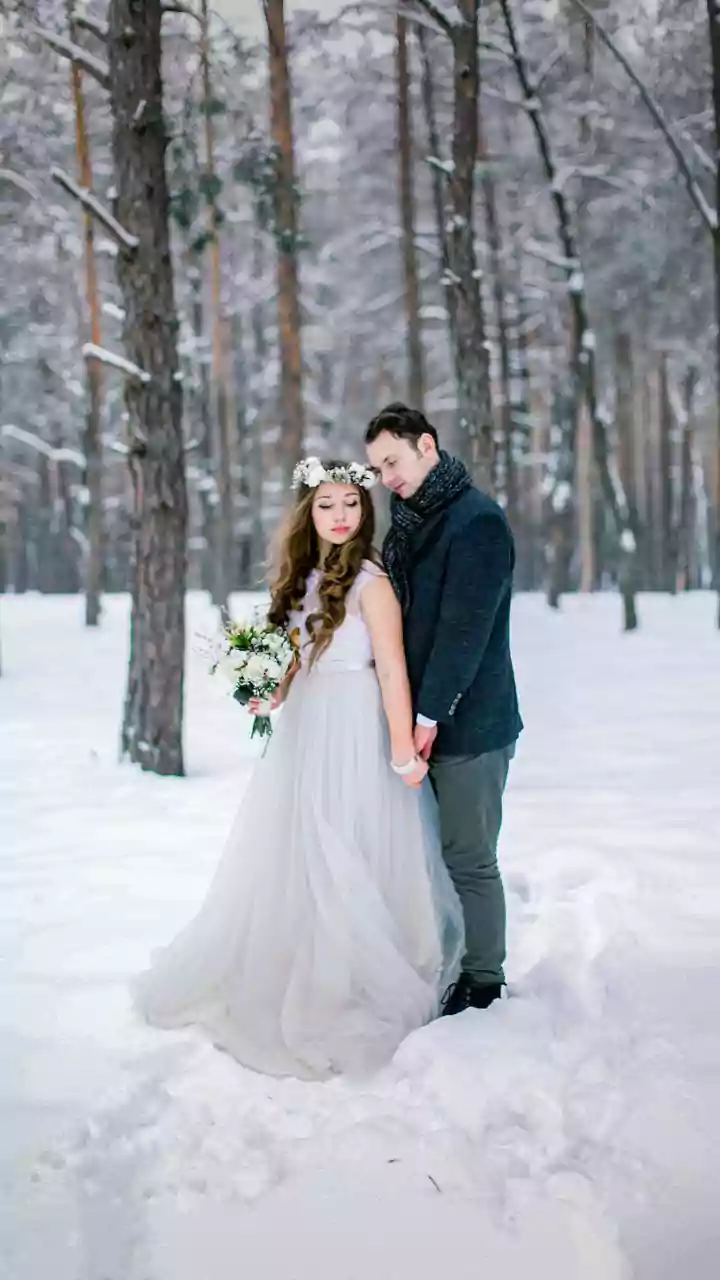
bless her heart, asked if we were sure. "It sounds a little… rugged, honey." She wasn’t wrong. But after a year of planning floral arrangements and seating charts, the idea of a pre-packaged, all-inclusive experience felt exhausting. The promise of the typical honeymoon—perfectly filtered sunsets, bottomless mimosas, and the gentle pressure to be having The Best Time Ever—felt like another performance. We had just signed up for a lifetime of partnership; we wanted to start it by building something, not just consuming something. We wanted a story, not a brochure.
A Different Kind of Rhythm
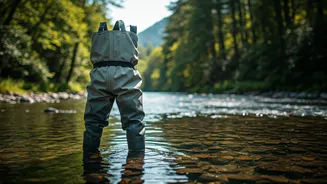
The first morning on the river was a masterclass in humility. The sun was still low, turning the mist rising off the water into a golden haze. Our guide, a man named Coop with a face mapped by sun and wind, showed us the deceptively simple-looking cast. It’s all in the wrist, he’d say, a steady 10-to-2 rhythm. My first attempt sent the line into a chaotic knot that looked like a bird's nest. My husband’s cast snagged a willow branch ten feet behind him. We looked at each other, ankle-deep in the shockingly cold water, and burst out laughing. There was no pretense here. You can’t look glamorous while untangling a fishing line from a bush.
But as the hours passed, something shifted. The frantic energy of the wedding week melted away, replaced by the hypnotic rhythm of the river. Cast, drift, mend. Cast, drift, mend. There was no small talk, no need to fill the silence. The world shrank to the sound of the water rushing over stones and the steady flick of the line. We were together, but also alone in our focus. It was a new kind of intimacy—a shared silence, a mutual respect for the task at hand.
Learning to Read the Water
Coop taught us to “read the water,” to see the subtle seams, eddies, and pools where a trout might be waiting. It wasn’t about randomly casting into the blue, but about understanding the environment and placing the fly with intention. He was teaching us about fishing, but it felt like a lesson in marriage. You learn to read the currents, to spot the quiet places, to understand what’s happening beneath the surface.
In our daily lives, we were both problem-solvers, talkers, planners. On the river, those skills were useless. You can’t rush a fish. You can’t negotiate with a tangled line. You just have to slow down, breathe, and pay attention to the small, beautiful thing right in front of you. One afternoon, my husband spent twenty minutes helping me free a fly from a submerged log, giving quiet instructions as I navigated the slippery rocks. There was no frustration, only teamwork. It felt more romantic than any candlelit dinner.
The Catch Was a Bonus
On day three, it happened. I felt a bump, a strange electric tug that was entirely different from snagging a rock. On instinct, I raised the rod tip and the line went tight. A flash of silver and green broke the surface, and a collective gasp went up from the three of us. It wasn’t a monster, just a modest rainbow trout, its sides shimmering with pink and iridescent spots. Coop helped me guide it into the net, and I held it for a moment, feeling its cool, muscular weight in my hands before we released it back into the current.
We caught a few more fish that week, but in the end, they were incidental. The real prize wasn’t the trout. It was the feeling of standing side-by-side in a cold river, learning a new and difficult skill together. It was the shared satisfaction of a perfect cast, the quiet encouragement, the lunch of sandwiches and lukewarm coffee on a gravel bar that felt like the most luxurious meal on earth. We were building our own story, one clumsy cast at a time.