
An Elevated Form of Immersion
For generations, getting close to American wilderness meant one of two things: roughing it in a tent or peering at it from a designated scenic overlook before retreating to a generic hotel miles away. The wildlife lodge shatters that binary. It’s an experience
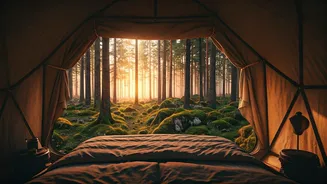
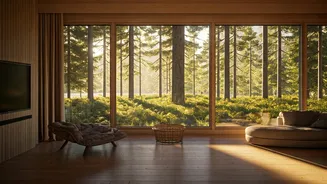
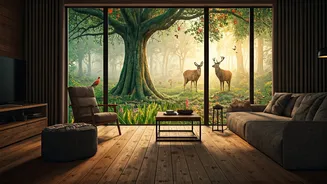
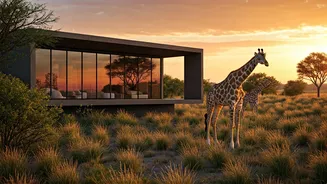
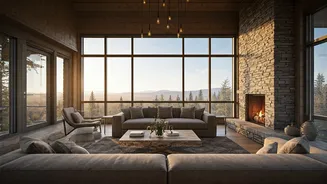
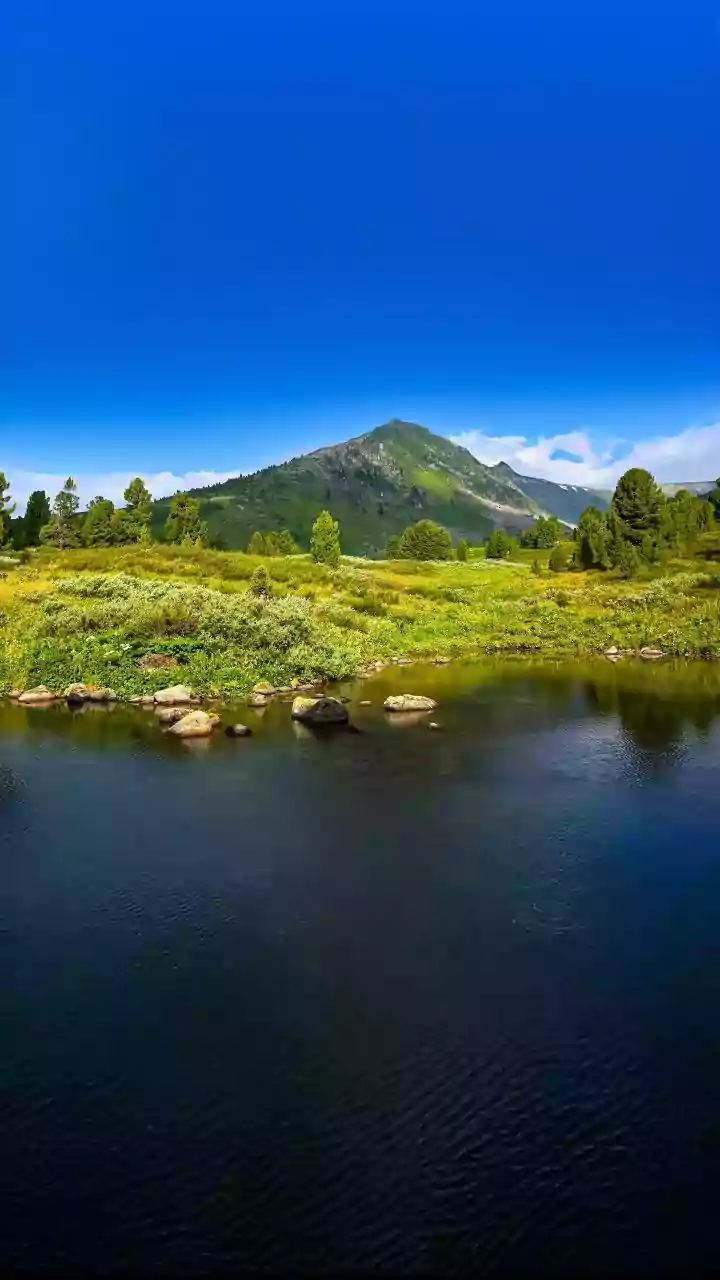
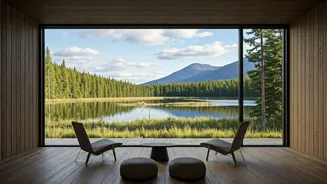
built on a single, brilliant premise: what if you could be fully immersed in the wild without sacrificing an ounce of comfort? These are not rustic cabins with spotty plumbing. They are thoughtfully designed havens, often architecturally stunning, situated in some of the most ecologically vibrant real estate on the continent—the fringes of national parks like Yellowstone and Grand Teton, the remote coasts of Alaska, or the vast plains of the Mountain West. The goal isn’t to insulate you from nature, but to give you a more profound and comfortable way to connect with it. The luxury here isn't gold faucets; it's a picture window framing a mountain range, a heated floor on a cold morning, and a naturalist-led tour that departs right from your doorstep.
The Unscripted Performance
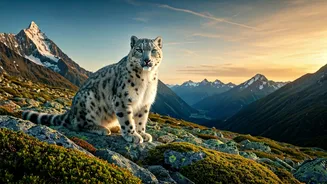
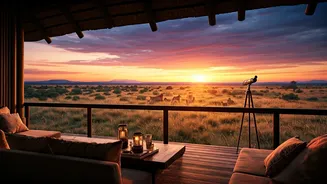
The “drama” of a wildlife lodge is its greatest selling point. It is real, unscripted, and utterly unpredictable. While a city vacation is curated and controlled, a stay in the wild is an exercise in surrender. You don’t book a 3 p.m. appointment to see a bald eagle snatch a fish from a river; you simply sit on the deck and hope. You don’t schedule a pre-dinner moose sighting; you just might be lucky enough to have one wander past your window as you’re uncorking a bottle of wine. This element of chance is precisely what makes the experience so thrilling. Every day is a mystery. Will it be the day a black bear and her cubs amble through the aspens? Or a day defined by the quiet drama of a thunderstorm building over the peaks? This isn't a zoo. The animals are not performers, and there are no guarantees. That tension—the constant, quiet anticipation of what might appear—is a form of entertainment more compelling than anything on a screen. It retrains your senses, forcing you to look, listen, and be present in a way modern life rarely allows.
Comfort as a Tool for Observation
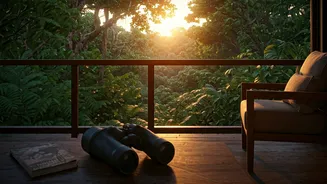
It’s easy to dismiss the comfort aspect as simple indulgence, but it serves a vital purpose. When you aren’t worrying about being cold, wet, or hungry, you are free to focus entirely on the world outside. A plush armchair and a crackling fire aren’t distractions; they are the perfect viewing platforms. A gourmet meal prepared by a chef isn't just about food; it's about replenishing your energy after a day spent tracking elk or hiking through ancient forests. The lodge itself becomes part of the experience—a warm, safe basecamp from which to witness the raw power of nature. After a day spent in the elements, returning to a hot shower, a delicious dinner, and a comfortable bed allows you to process what you’ve seen and wake up refreshed and ready for the next day's potential drama. Comfort isn't the opposite of adventure; in this context, it’s the enabler of it.
Beyond the Animal Sightings
While charismatic megafauna often steal the show, the drama of these locations extends far beyond them. It’s in the profound silence of a night sky unpolluted by city lights, revealing the Milky Way in a way most Americans have never seen. It’s in the subtle, hour-by-hour shift of light and shadow across a canyon wall. It’s in the sudden, heart-pounding howl of a distant coyote or the hoot of an owl just outside your door. These lodges offer a front-row seat to the planet's oldest stories: the turn of the seasons, the cycle of predator and prey, and the humbling scale of geological time. It’s an experience that can recalibrate your perspective, reminding you of a world that operates on a rhythm entirely different from our own urgent, human-centric one.