






The Problem with Counting Glasses
The “eight glasses a day” rule is one of the most persistent wellness myths. While well-intentioned, it's a blunt instrument that ignores individual needs based on body size, activity level, climate, and diet. For many, simply chugging water is an inefficient,
and sometimes even counterproductive, strategy. You might feel bloated, constantly run to the restroom, and still not feel properly hydrated. That's because true hydration isn't just about H2O. It’s an electrochemical process that depends on a delicate balance of minerals known as electrolytes. When you focus only on volume, you risk diluting the very minerals your body needs to effectively use the water you're drinking.
Meet the Real Hydration Heroes: Electrolytes
Electrolytes are minerals like sodium, potassium, magnesium, and calcium that carry an electric charge when dissolved in fluid. They are the unsung heroes of hydration, regulating everything from nerve signals and muscle contractions to your body's fluid balance. Think of them as traffic controllers for water: they direct it to where it’s needed most inside your cells. When you sweat, you don't just lose water; you lose significant amounts of electrolytes, primarily sodium. Replenishing with plain water alone can lead to an imbalance, a condition that in extreme cases is called hyponatremia (low sodium), which can cause headaches, fatigue, and confusion. This is particularly relevant for athletes or anyone working in the heat, but the principle applies to everyone. Proper hydration means replacing both the water and the minerals lost.
How to Track What Matters
So, how do you shift from a volume-first to a balance-first mindset? It starts with paying closer attention to inputs and outputs. Notice the color of your urine—pale yellow is a good sign, while completely clear may indicate over-hydration or mineral dilution. Pay attention to how you feel after exercise or on a hot day. Are you just thirsty, or do you feel foggy and drained? Cravings for salty snacks can also be your body’s signal that it needs sodium, not just water. The goal is to build an intuitive sense of your body's needs. Instead of aiming for a generic number of ounces, you're aiming to restore equilibrium. This might mean adding a pinch of high-quality salt to your water bottle, drinking a dedicated electrolyte mix after a workout, or eating more mineral-rich foods.
Using Tech to Fine-Tune Your Balance
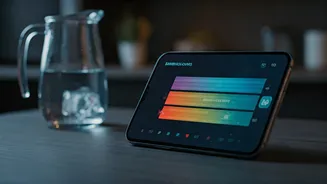
This is where technology can be a powerful ally. While basic water-tracking apps are a dime a dozen, a new generation of hydration apps is helping users think more holistically. When choosing an app, look for features that go beyond simple volume reminders. The best ones allow you to log different types of fluids (water, coffee, electrolyte drinks) and track electrolyte intake from food and supplements. Some advanced apps integrate with fitness trackers to estimate sweat loss during exercise, giving you a personalized recommendation for fluid and sodium replacement. The key isn't to become obsessed with data, but to use these tools as a guide to learn your body’s unique patterns. They can help you connect the dots between your intake, your activity, and how you feel, turning abstract science into actionable daily habits.
Low-Tech Ways to Stay in Balance
You don't need a smartphone to master mineral balance. Your diet is your first and best line of defense. Many foods are naturally packed with the electrolytes you need. Potassium-rich foods include bananas, avocados, sweet potatoes, and spinach. For magnesium, turn to nuts, seeds, and dark leafy greens. Sodium is easily found in most diets, but if you're active and sweating a lot, don't be afraid of it. A handful of salted nuts, a bowl of soup, or pickles can help you replenish what's lost. A simple and cheap DIY electrolyte drink can be made with a quart of water, a few teaspoons of sugar (for absorption), and a quarter to a half teaspoon of table salt. Listening to your body remains the most sophisticated tool you have.