





Consistency Over Intensity
For decades, the loudest voices in fitness preached the gospel of intensity. We were told that if you weren't gasping for air and drenched in sweat, the workout didn't count. The result? A cycle of burnout, injury, and frustration for millions. The emerging
wisdom for 2026 and beyond flips that script. The new goal isn't to destroy yourself three times a week; it's to move your body thoughtfully five or six times a week. Consistency is the unglamorous but undisputed king of results. It’s about building a habit so ingrained it feels as natural as brushing your teeth. This could mean a 30-minute lift on Monday, a brisk walk on Tuesday, a yoga class on Wednesday, and so on. By prioritizing regular, moderate effort over sporadic, heroic ones, you create momentum. You teach your body and mind that movement is a non-negotiable part of your life, not a punishment to be endured. This approach leads to better long-term adherence, fewer injuries, and more sustainable progress in fat loss, muscle gain, and overall cardiovascular health. It’s the difference between a fad diet and learning how to eat for life.
Recovery as a Performance Metric
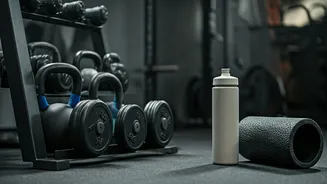
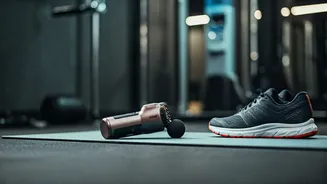
The old fitness model treated rest days as a sign of weakness. The new model understands that recovery isn't just 'not working out'—it's an active, essential component of getting stronger. Gains aren't made in the gym; they're made when your body repairs the microscopic muscle tears you created during your workout. As we look toward 2026, recovery is being elevated to a key performance indicator, right alongside your squat PR. This goes far beyond simply taking a day off. Smart recovery involves a multi-pronged strategy. It prioritizes 7-9 hours of quality sleep, which is when crucial muscle-repair hormones are released. It incorporates active recovery, like light walking or stretching, to increase blood flow and reduce soreness. It emphasizes mobility work—using tools like foam rollers and massage guns not as a luxury, but as maintenance to improve range of motion and prevent injury. And finally, it respects the need for proper nutrition and hydration to fuel the rebuilding process. Treating recovery as a non-negotiable part of your training plan ensures you can return to your next workout stronger, more resilient, and ready to perform.
Weights as the Foundation
Cardio once ruled the mainstream fitness world, with weightlifting often relegated to a niche pursuit for bodybuilders. That hierarchy has been completely inverted. Strength training is now recognized as the cornerstone of long-term health and vitality for everyone, regardless of age or gender. The benefits go far beyond aesthetics. Lifting weights is one of the most effective ways to boost your metabolism, as muscle tissue burns more calories at rest than fat tissue. It’s critical for building and maintaining bone density, a key factor in preventing osteoporosis, especially as we age. It improves insulin sensitivity, helping to regulate blood sugar and reduce the risk of type 2 diabetes. Furthermore, the functional strength you build in the gym—the ability to safely lift a heavy suitcase, carry groceries, or get up off the floor—directly translates to a higher quality of life for decades to come. The myth that lifting makes women 'bulky' has been thoroughly debunked, replaced by the understanding that it creates a lean, strong, and capable physique. By 2026, a well-structured strength program won't be an 'add-on'; it will be the central pillar around which other forms of activity are built.