



Defining ‘Honest’ Decor
What does it mean for decor to be “honest”? It’s not about perfection. In fact, it’s the opposite. Honest design celebrates the raw, the imperfect, and the elemental. It’s the subtle grain in a wooden table, the nubby feel of a linen sofa, or the unique
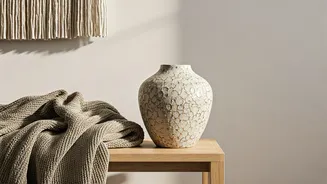
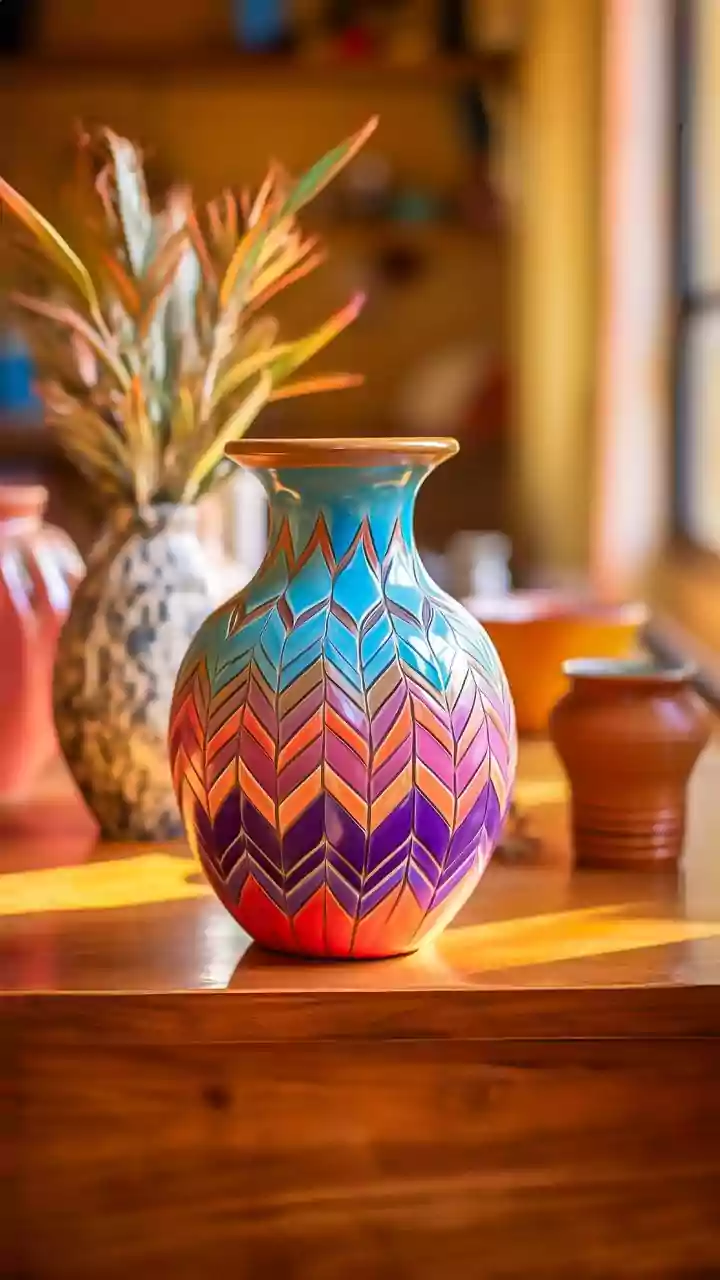
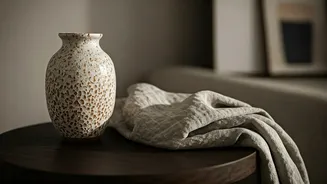
shape of a hand-thrown ceramic vase. These materials tell a story of their origins—a tree, a plant, the earth itself. Unlike mass-produced plastic or laminate, which conceals its synthetic nature, earthy textures proudly display their imperfections. This authenticity creates a sense of calm and stability, grounding us in a space that feels true and without pretense. It’s a quiet rebellion against the synthetic, a way to build a personal sanctuary that feels deeply and genuinely yours.
Start with Woven Fibers
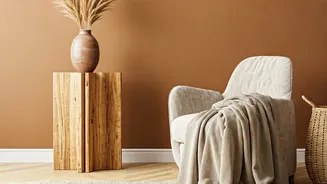
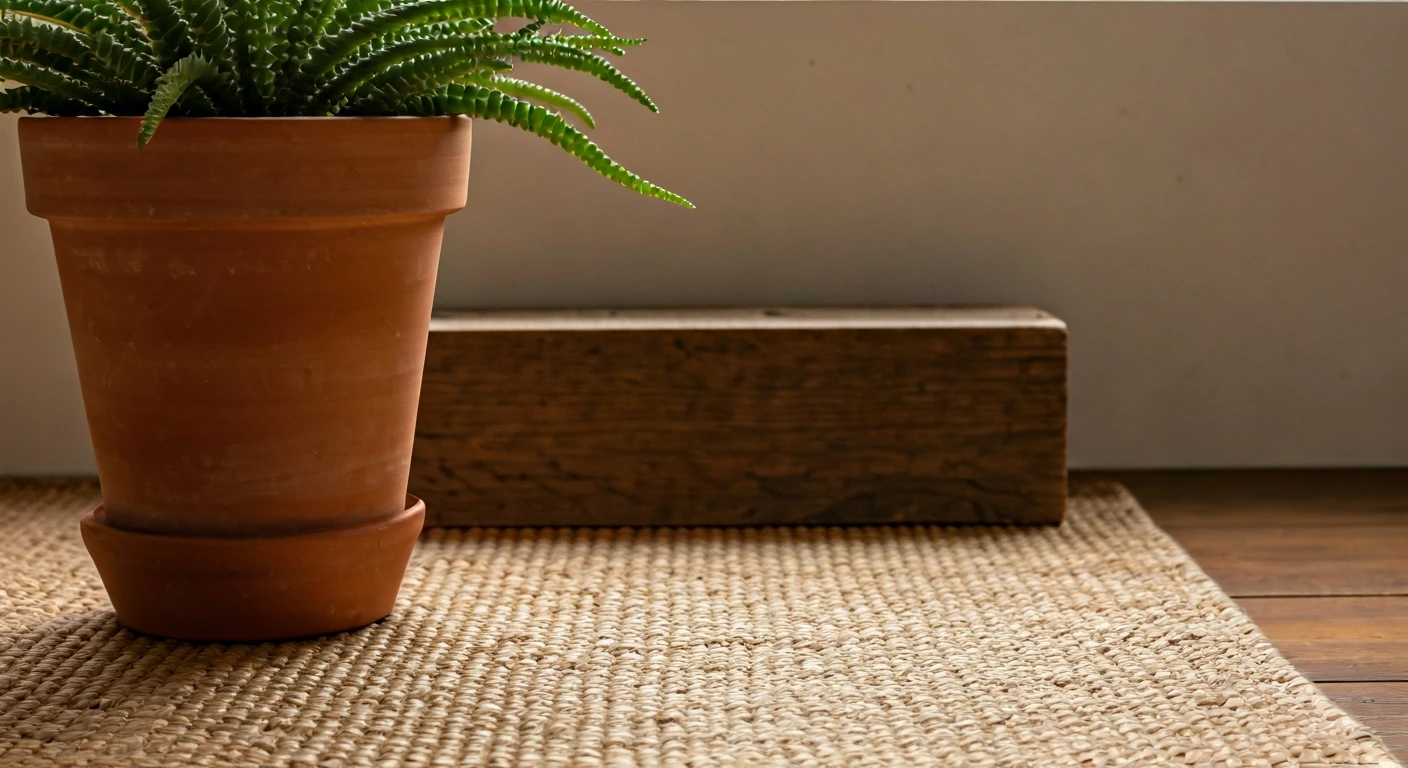
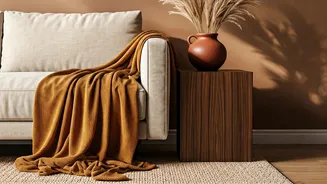
The easiest entry point into this aesthetic is through textiles and woven goods. Think beyond standard cotton and polyester. Linen, with its characteristic crinkles and soft-yet-strong feel, brings an immediate sense of relaxed sophistication to bedding, curtains, and upholstery. Jute and sisal rugs provide a coarse, durable foundation underfoot, their fibrous texture evoking sandy shores or rustic farmhouses. For coziness, turn to wool and bouclé. A thick, chunky wool blanket thrown over an armchair or a bouclé pillow with its looped, fleecy surface invites you to touch and unwind. These materials add visual depth and a tactile dimension that makes a room feel layered, lived-in, and comfortable.
Embrace Unfinished and Raw Wood
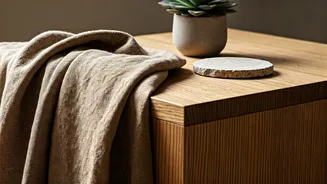
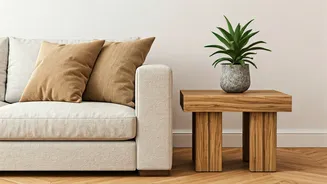
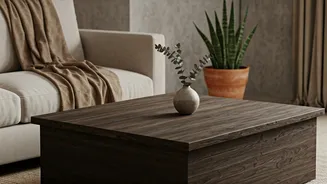
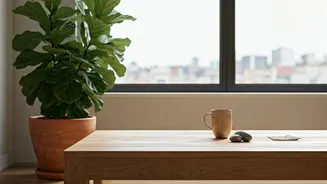
Wood is a cornerstone of earthy design, but the key is choosing finishes that honor its natural state. Move away from high-gloss lacquers and perfectly uniform stains. Instead, look for pieces made from reclaimed wood, where old nail holes and saw marks tell a story of a previous life. Live-edge tables and shelves, which follow the natural contours of the tree, serve as functional sculptures. Even simple choices, like a solid oak cutting board in the kitchen or a teak stool in the bathroom, bring a warm, organic element into the room. The goal is to see the grain, feel the texture, and appreciate the material for what it is. This connection to the natural world has a profoundly calming effect, making a space feel both sturdy and serene.
Incorporate Stone, Clay, and Terracotta
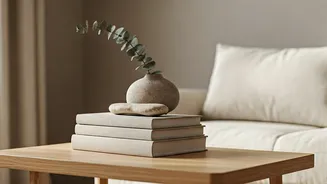
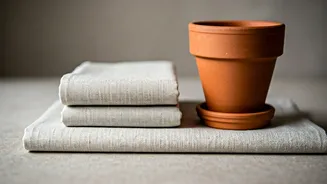
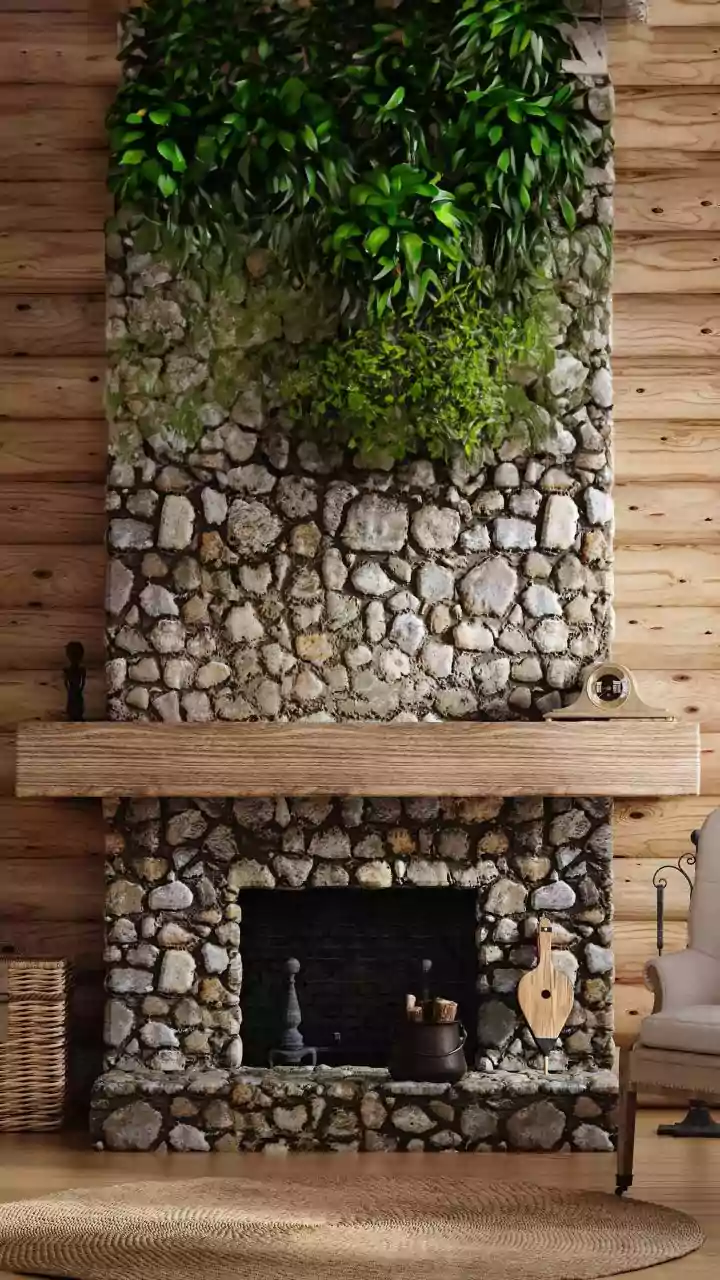
To balance the warmth of wood and textiles, introduce cool, solid textures from the earth itself. Travertine, with its pitted surface and creamy tones, is making a major comeback in coffee tables and decorative objects. Slate, whether used for flooring or as a simple serving platter, adds a touch of dark, moody elegance. But perhaps the most accessible materials in this category are clay and terracotta. A cluster of terracotta pots—even without plants—can add a splash of warm, earthy red to a forgotten corner. Look for ceramic vases, bowls, and lamps that are matte or unglazed. Their slightly rough, porous feel connects directly to the hands that shaped them, adding an irreplaceable touch of humanity and artistry to your decor.
The Art of Layering
Bringing these elements together is an exercise in balance. The secret is layering. A smooth leather armchair becomes more inviting with a rough wool throw. A sleek modern sofa is grounded by a textured jute rug. A polished marble countertop is softened by a rustic wooden bowl. Avoid making everything one texture; the magic lies in the contrast. Mix hard with soft, rough with smooth, and warm with cool. Start small by swapping out a few pillow covers, adding a ceramic vase, or placing a wooden tray on your ottoman. You’ll find that as you introduce these honest materials, your home will begin to feel less like a showroom and more like a sanctuary—a place that reflects nature’s quiet, imperfect beauty.