



The Downside of 'Doing It For the 'Gram'
Let’s be honest: fear of missing out, or FOMO, has become an unofficial travel agent for millions. We see a destination blow up on TikTok or Instagram, and a little voice whispers, “You have to go there.” The problem is, by the time a place becomes a viral
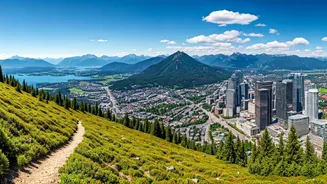
backdrop, you’re already late to the party. The result is what we call blind FOMO travel: booking a trip based on hype rather than personal desire. This path is paved with long lines for a single photo op, restaurants that are famous but not necessarily good, and prices jacked up to meet algorithm-fueled demand. You arrive expecting a serene escape and find yourself in a sea of other tourists trying to replicate the exact same three photos. It’s performative, expensive, and often, deeply unsatisfying. You’re not experiencing a place; you’re consuming a pre-packaged, influencer-approved version of it.
The Alternative: Let Nature Be Your Guide
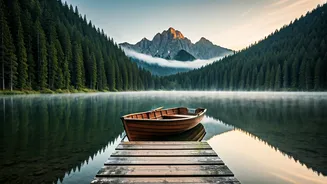
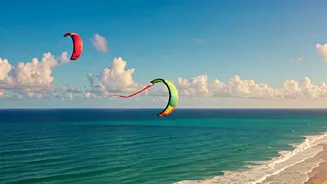
Enter weather-led travel. This isn’t about obsessively checking an app to avoid a 10% chance of rain. It’s a fundamental shift in mindset. Instead of asking “Where is everyone going?” you ask, “What kind of experience do I want, and where is the weather perfect for that right now?” It’s about choosing a destination because its climate will actively enhance your trip. This could mean chasing the sun to a lesser-known beach in its prime dry season, embracing the moody fog of the Pacific Northwest in autumn, or planning a trip to the desert when the nights are cool and the daytime temps are ideal for hiking. It’s a proactive strategy that puts your comfort and enjoyment first. You are no longer a passive victim of the tourism hype cycle; you are the architect of your own perfect escape, using the planet’s own rhythms as your blueprint.
Why the Forecast Is a Smarter Compass
Following the weather is inherently smarter for several reasons. First, it often leads you to the “shoulder seasons”—the periods just before or after peak tourist season. This is where you find the magic trifecta: fantastic weather, fewer crowds, and lower prices. Think the Mediterranean in September instead of August, or the Caribbean in May instead of March. Second, it encourages novelty. When you’re not just following the herd to the same five European cities, you discover unique places that offer incredible experiences without the tourist fatigue. Maybe it’s chasing the Northern Lights in a part of Alaska you’d never considered or enjoying the lush, green aftermath of a rainy season in Costa Rica. Finally, it aligns your vacation with your actual desires. If you hate humidity, you won’t accidentally book a trip to New Orleans in July. If you dream of snow-dusted evergreens, you’ll seek out Vermont in January. It’s simple, intuitive, and ensures the environment is working with you, not against you.
A Few Weather-Wise Swaps
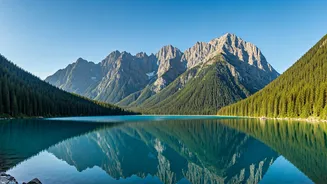
To make this concrete, consider a few simple swaps. Instead of joining the masses in the sweltering heat of Tuscany in July, go in October for the wine harvest, cooler temperatures, and a landscape glowing with autumnal colors. Forget fighting for a patch of sand in South Florida during spring break; instead, explore the stunning, empty landscapes of Utah’s national parks in April when the weather is crisp and clear. Are you dreaming of a cozy, literary escape? Skip the summer crowds in New England and book a trip to a coastal town in Maine in the fall, where you can curl up by a fire as the leaves change. By simply prioritizing the climate you want to be in, you unlock a more authentic and enjoyable version of nearly any destination on earth.