







The Allure of a Natural Nightcap
In a world where 'sleep hygiene' has become a mainstream obsession, many Americans are turning away from prescriptions and toward their pantries for relief. The quest for a non-habit-forming, natural sleep aid has fueled countless trends, from magnesium
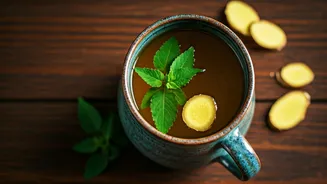
powders to tart cherry juice. The latest to capture the attention of the sleep-deprived is a simple, warm brew made from two potent ingredients: Tulsi (also known as Holy Basil) and dry ginger. Circulating through wellness blogs and social media, this concoction is hailed as a calming ritual to help quiet a racing mind and prepare the body for rest.
Spotlight on Tulsi, The 'Elixir of Life'
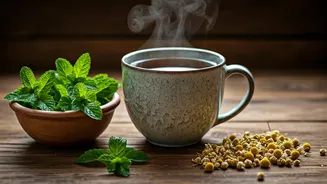
The star of this sleep-time beverage is Tulsi, or Holy Basil. Revered in Ayurvedic medicine for centuries, Tulsi is considered an adaptogen—a class of herbs believed to help the body resist physical, chemical, and biological stressors. Unlike a sedative that forces sleep, adaptogens are thought to work by modulating the body's stress response. The theory is that by helping to lower cortisol levels (the 'stress hormone'), Tulsi can promote a state of calm and relaxation that is more conducive to falling asleep naturally. It doesn't knock you out; it helps you wind down. Most commonly consumed as a tea, it has an earthy, slightly peppery flavor that many find comforting on its own.
Why Add Dry Ginger?
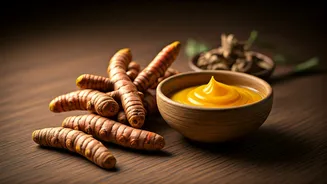
While fresh ginger is a kitchen staple, this recipe often specifically calls for dry ginger powder. In many traditional medicine systems, dry ginger is considered to have a more warming and potent effect than its fresh counterpart. For a sleep drink, this quality is twofold. First, ginger is a well-known digestive aid. An upset or unsettled stomach can easily disrupt sleep, and a little ginger can help soothe the digestive system. Second, its warming properties can create a feeling of comfort and groundedness, signaling to the body that it's time to relax and settle in for the night. The gentle spice also provides a pleasant flavor balance to the herbal notes of the Tulsi.
How to Make the Sleep Concoction
The beauty of this trend is its simplicity. While recipes vary, the core components are the same. Here is a common version you can try: **Ingredients:** - 1 Tulsi tea bag (or 1 teaspoon of loose-leaf Tulsi) - 1/4 to 1/2 teaspoon of dry ginger powder (adjust to your taste) - 8 ounces of hot water (just off the boil) - Optional: 1 teaspoon of honey for sweetness, or a small squeeze of lemon **Instructions:** 1. Place the Tulsi tea bag or loose leaves and the dry ginger powder in a mug. 2. Pour the hot water over the ingredients. 3. Let the tea steep for 5 to 7 minutes. A longer steep will result in a stronger flavor and potentially more potent effects. 4. If using a tea bag, remove it. If using loose leaves, strain the tea into another mug. 5. Stir in honey or lemon if desired. Enjoy it warm, about 30 to 60 minutes before you plan to go to bed.
Does It Actually Work?
Here's the crucial question. While countless anecdotes praise the drink's calming effects, rigorous scientific studies on this specific combination are lacking. However, research does support the potential benefits of its individual ingredients. Studies on Tulsi have shown it can help reduce stress and anxiety, and good sleep often follows a calm mind. Ginger is well-documented for its digestive benefits. The act of performing a nightly ritual—brewing a warm, fragrant beverage and sipping it slowly—is also psychologically powerful. This ritual can become a potent cue to your brain that the day is over and it's time for sleep. So, while it may not be a magic bullet for chronic insomnia, the Tulsi-ginger drink is a low-risk, potentially high-reward ritual for those seeking a gentle nudge toward slumber.