






The Comfort Spice: A Warm Digital Blanket
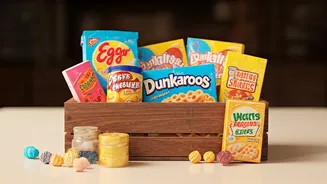
At its core, the appeal of nostalgia-bait content is simple: it’s comforting. In a digital world saturated with political outrage, economic anxiety, and curated perfection, a 30-second clip of someone eating Dunkaroos is a low-stakes psychological refuge.
It transports us back to a time perceived as simpler and safer—childhood. This isn't just a hunch; psychologists have long noted that nostalgia can be a powerful emotional stabilizer, counteracting feelings of loneliness and anxiety by reinforcing a sense of continuity and social connection. When you see a video celebrating a forgotten '90s cereal, you’re not just remembering the cereal. You’re remembering Saturday morning cartoons, the feel of the linoleum floor in your parents' kitchen, and a world with fewer responsibilities. That powerful feeling, delivered in a bite-sized, easily shareable format, is the foundational flavor of this trend.
The Sensory Spice: A Time Machine for Your Taste Buds
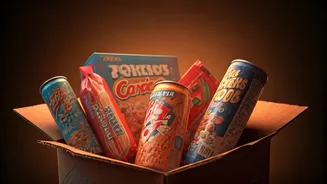
What makes food and snack nostalgia so potent is its multisensory nature. You don't just remember what a Fruit Roll-Up tasted like; you remember the crinkle of the plastic, the struggle to unroll it without tearing, and the waxy paper it left behind. Short-form video is the perfect medium to exploit this. Creators can capture the specific sound of pouring blue-raspberry-lemonade Kool-Aid, the visual of peeling the lid off a Lunchable, or the texture of a powdery fun dip stick. These sensory triggers are like direct access keys to our long-term memory. Unlike a static image, a video can replicate the *experience* of the snack. This is why content featuring long-discontinued products like Crystal Pepsi or Butterfinger BB's performs so well. It resurrects not just an object but a full-bodied memory, making the viewer feel like they’ve briefly traveled back in time. It’s a powerful, almost magical effect that keeps us watching and sharing.
The Community Spice: Generational Inside Jokes
This content also functions as a powerful form of generational bonding. For millennials and older Gen Z, seeing a reference to Gak, Tamagotchis, or the Scholastic Book Fair is like hearing a secret password. The comment sections of these videos become digital reunions, filled with thousands of people exclaiming, “I thought I was the only one who remembered this!” It validates a shared cultural upbringing that existed before the internet archived everything. These snacks and shows were the common language of a generation's childhood, and seeing them reappear online reinforces a collective identity. It’s a way of saying, “We were there.” This creates a tight-knit sense of community around a piece of content, driving engagement through comments, duets, and shares. Each like is a nod of recognition, strengthening the bond between strangers who grew up on the same sugary snacks and after-school specials.
The Algorithm’s Favorite Flavor
Finally, nostalgia content is perfectly engineered for the algorithms that govern platforms like TikTok and Instagram. Its high emotional resonance translates directly into high engagement—long watch times, repeat views, comments, and shares. The content is universally relatable within its target demographic, requires little to no context, and delivers its emotional payoff almost instantly. An algorithm designed to maximize user attention will naturally favor this type of video. It’s a self-perpetuating cycle: creators see that nostalgia works, so they produce more of it. The platform recognizes it as high-performing content and pushes it to more users. In a content ecosystem that rewards whatever keeps people scrolling, nostalgia is a guaranteed winner. It’s not just a heartfelt trend; it’s a smart, strategic play for digital relevance.