






The 'Clean Eating' Aesthetic for Canines
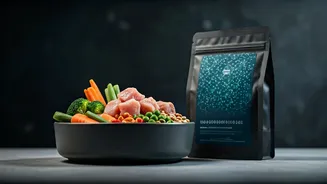
The new wave of dog food looks suspiciously like something you’d find in the prepared meals section at Whole Foods. Delivered in sleek, minimalist packaging, these direct-to-consumer subscription services offer meals made from “human-grade” ingredients.
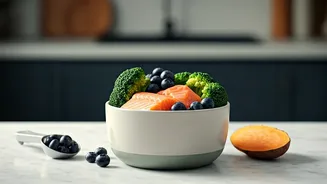
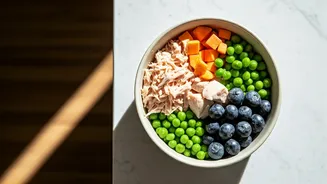
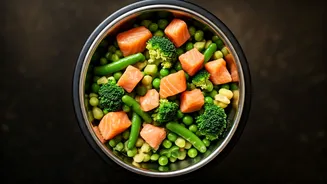
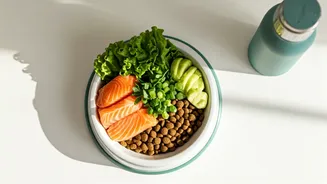
Think whole chicken breasts, vibrant chunks of carrots and sweet potatoes, and flecks of kale, all gently cooked and portioned based on your dog’s specific profile—age, weight, breed, and activity level. Companies like The Farmer’s Dog, Ollie, and Nom Nom have perfected the pitch. Their websites are filled with images of happy, healthy dogs and promises of shinier coats, better digestion, and increased energy. It’s the dog food equivalent of a wellness influencer’s sponsored post: aspirational, visually appealing, and engineered to make you feel like you’re giving your loved one the absolute best.
From Pet to 'Fur Baby'
This trend didn't appear in a vacuum. It’s the direct result of the “humanization” of our pets. As more Americans, particularly millennials, delay or opt out of having children, dogs are increasingly seen as family members. And what do you do for your family? You give them the best, especially when it comes to health. These companies are tapping into a powerful emotional current. Feeding your dog standard brown kibble can feel impersonal, even inadequate, when compared to a vibrant, fresh meal you could theoretically eat yourself. The marketing brilliantly mirrors our own anxieties and aspirations about wellness. We worry about processed foods, gluten, and artificial ingredients in our own diets, so it feels natural to project those same concerns onto our pets. Buying this food isn't just a transaction; it's an act of love, a signal that you are a conscientious, modern pet parent.
What the Vets Are Saying
While the marketing is compelling, the veterinary community often urges caution. The term “human-grade” is a marketing label, not a nutritional standard. While the ingredients may be safe for human consumption, that doesn't automatically make the formula optimally balanced for a dog’s specific needs. Veterinary nutritionists emphasize the importance of formulations that meet the standards set by the Association of American Feed Control Officials (AAFCO). More critically, many boutique brands have historically promoted “grain-free” recipes, linking them to a dog’s “ancestral” diet. This tapped into the human paleo and keto crazes but raised red flags for vets. In recent years, the FDA has been investigating a potential link between certain grain-free diets (particularly those high in legumes like peas and lentils) and a serious heart condition in dogs called dilated cardiomyopathy (DCM). This has led many nutrition experts to recommend sticking with foods made by well-established companies that conduct extensive research and feeding trials.
Decoding the Buzzwords
Navigating the pet food aisle—or website—requires a translator. “Grain-free” simply means the food contains no corn, wheat, soy, or rice, but it often contains other carb sources like potatoes or legumes. “Ancestral diet” is a marketing concept suggesting dogs should eat like wolves, a claim most vets dispute, pointing out that dogs have evolved over thousands of years to digest starches. “Natural” has a loose legal definition, generally meaning free of artificial colors, flavors, or preservatives. The most reliable indicator of a complete and balanced diet is an AAFCO statement on the package, which confirms the food is formulated to meet established nutrient profiles for a dog’s life stage. Without that, you might be feeding your dog a beautifully marketed but nutritionally incomplete meal. The influencer lifestyle looks great, but for your dog's health, it’s the science-backed substance that truly matters.