


Why This Pairing Works So Well
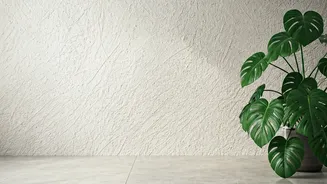
The magic of pairing indoor plants with stone lies in the power of contrast and connection. It’s a design principle rooted in what designers call ‘biophilia’—our innate human need to connect with nature. Plants offer vibrant, living, and ever-changing
organic forms. They soften a room, clean the air, and bring a sense of gentle vitality. Stone, on the other hand, provides a feeling of permanence, stability, and earthy texture. Whether it’s the cool smoothness of marble, the rustic grain of travertine, or the dark heft of slate, stone grounds a space with its ancient, elemental presence. Together, they create a perfect balance: the hard with the soft, the living with the eternal, the dynamic with the stoic. This duo transforms a room from merely decorated to deeply curated, offering a sanctuary that feels both sophisticated and deeply calming.
Start with Small, Artful Accents
Dipping your toes into this trend doesn’t require a complete overhaul. The easiest and most affordable way to begin is by creating small, intentional moments of beauty. Think about the little surfaces in your home. A beautiful marble tray on a coffee table becomes the perfect stage for a small collection of succulents. A heavy stone bowl can house a delicate air plant, turning it into a living sculpture. Even your plant pots can play a part; swap a plastic nursery pot for a terracotta, concrete, or stone planter to immediately elevate the look. Look for opportunities to place these elements side-by-side: a trailing pothos whose leaves cascade over the edge of a bookshelf and onto a stack of stone bookends, or a slate coaster placed beneath a small, leafy fern on your desk. These small touches introduce the textural interplay that makes the trend so compelling.
Create a Statement Vignette
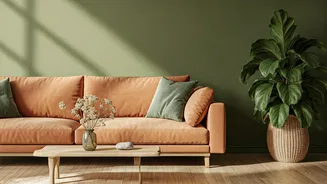
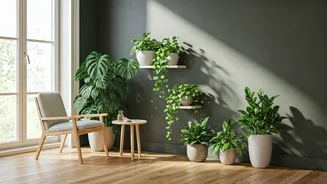
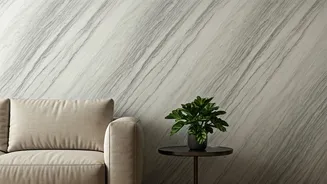
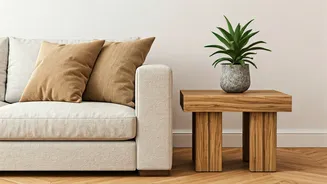
Ready to make a more significant impact? Dedicate one corner or surface to a carefully composed vignette. This is about creating a focal point that tells a story. A classic approach is to place a large, architectural plant like a Fiddle Leaf Fig or a Bird of Paradise next to a substantial piece of stone. This could be a modern stone side table, a vintage marble pedestal, or even a large, decorative stone sphere placed on the floor. On a console table or credenza, try arranging a group of smaller plants with varying heights and textures on a stone runner or a collection of travertine platters. The key is to think like a stylist: group objects in odd numbers (three or five is ideal), vary the height and scale, and leave some breathing room so each element can be appreciated on its own and as part of the whole.
Invest in Foundational Furniture
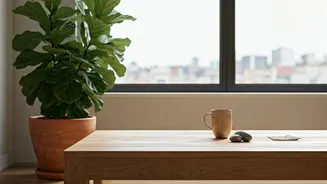
If you’re truly committed to the aesthetic, integrate it through foundational furniture pieces. A stone coffee table—whether it’s the current darling, travertine, or a classic like marble or granite—can serve as the anchor for your entire living room. Its solid, monolithic presence provides the perfect, durable surface for a collection of books, candles, and, of course, a well-chosen plant. Look for coffee tables that have interesting shapes or chunky, sculptural legs to maximize the effect. Beyond the living room, consider a dining table with a stone top or a credenza with a marble surface. These larger pieces make a definitive statement, establishing the room’s sophisticated, nature-inspired mood. When paired with greenery, these items feel less like sterile showroom pieces and more like integral parts of a warm, inviting home.
Go All-In with Architectural Integration
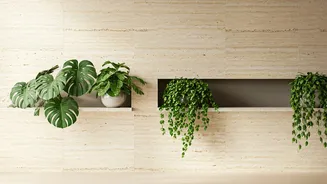
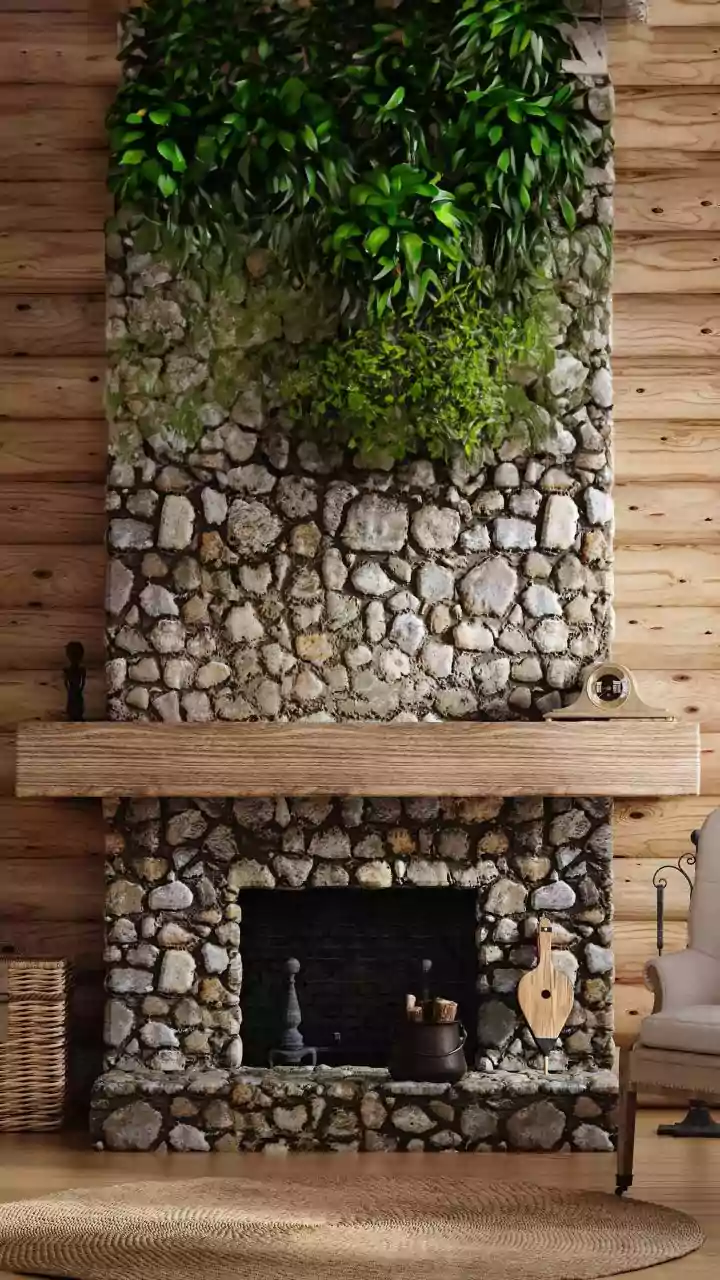
For the ultimate expression of the trend, the pairing can be woven directly into the fabric of your home. This is where decor moves into the realm of architecture. Imagine a bathroom with a slate-tiled walk-in shower, where a hanging eucalyptus branch or a humidity-loving fern thrives in the steam. Consider a low, built-in stone or concrete planter that runs along a window, creating a seamless indoor garden. In a kitchen, a marble backsplash behind the sink provides a beautiful, water-resistant backdrop for a pot of fresh herbs. This approach is most common in new builds and major renovations, but it offers a glimpse into how deeply this desire for natural elements can shape our environments, creating spaces that truly blur the line between inside and out.