


The Big Event on the Horizon
So, what’s the big deal with 2026? It marks the 250th anniversary of the United States, a milestone known as the Semiquincentennial. While the official celebrations will involve parades and historical exhibitions, the cultural impact will ripple out into
our everyday lives, influencing everything from fashion to, yes, home decor. Think of it as the Y2K scare, but for patriotism and heritage—and with much better aesthetics. These national anniversaries have a way of focusing public attention on identity, history, and legacy. They prompt a collective look backward, which often translates into a desire for goods that feel timeless, rooted, and distinctly American in their craftsmanship.
From National Pride to Your Living Room
The connection between a national anniversary and the ceramic mug on your desk might not seem obvious, but it’s a well-worn path. During moments of collective reflection, there’s a natural pivot away from the global and generic toward the local and specific. Consumers are expected to seek out products that tell a story of American ingenuity and artistry. This isn’t about slapping a flag on everything. Instead, it’s about celebrating the diverse traditions of American craft—from Appalachian quilting and Shaker-inspired furniture to Southwestern pottery and Pacific Northwest woodworking. The 2026 boost will be driven by a desire for authenticity. People will want to own items made by a real person, with a point of view and a tangible connection to a place and a tradition. It’s a quiet rebellion against the anonymity of the factory line.
Riding an Existing Wave
This 2026 phenomenon isn’t appearing out of thin air. It’s set to amplify a movement that has been gaining momentum for years. The rise of Etsy, the creator economy, and design trends like “cottagecore” and “grandmillennial” all point to the same thing: a deep-seated craving for uniqueness and meaning in our personal spaces. We’ve spent the last decade watching Instagram influencers unbox the same beige couches and bouclé chairs. A fatigue has set in. Younger generations, in particular, are rejecting the idea of the perfectly curated, impersonal home in favor of spaces that feel collected, personal, and even a little imperfect. The pandemic only accelerated this, as we all spent more time at home, realizing that our surroundings have a profound impact on our well-being. The 2026 anniversary will provide a powerful new narrative hook for this existing cultural shift.
What to Look For: The New Heirlooms
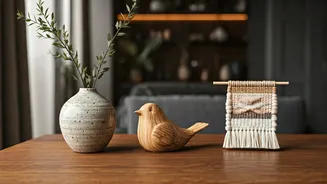
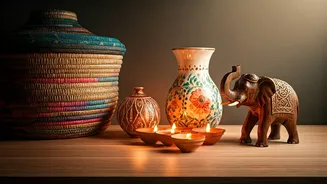
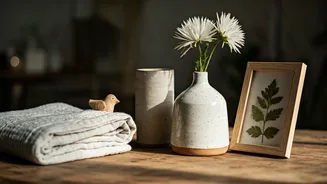
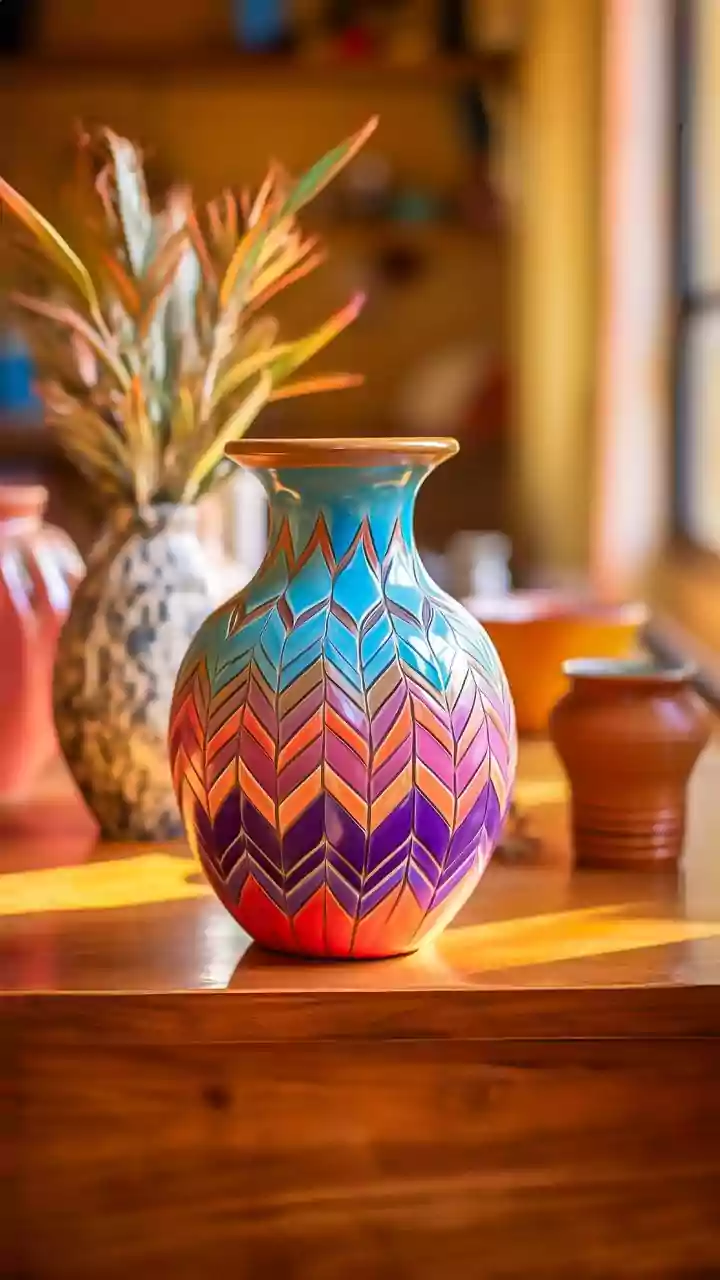
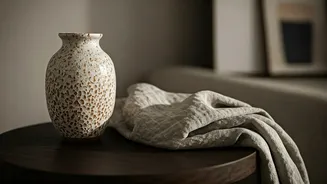
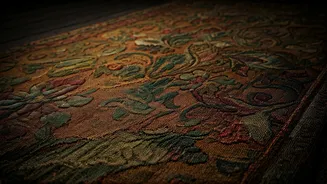
As the trend solidifies, expect to see a resurgence in specific types of handmade goods. Hand-thrown ceramics with unique glazes will replace uniform dinnerware sets. Hand-loomed textiles, like quilts and woven wall hangings that tell a story through their patterns, will become coveted focal points. Small-batch woodworking, from carved spoons to minimalist side tables, will be celebrated for its grain and form. We’ll also likely see a renewed appreciation for regional crafts that were once dismissed as provincial or old-fashioned. The key is storytelling. Whether it’s a piece made from reclaimed wood from a historic barn or a pot thrown by a third-generation artist, the value will lie as much in the object’s history as in its beauty. These aren’t just decorations; they’re future heirlooms, imbued with a sense of time and place.