



The Sculptural Soother: Aloe Vera
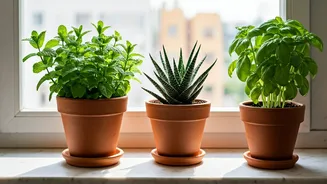
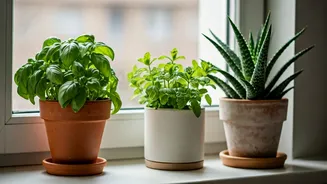
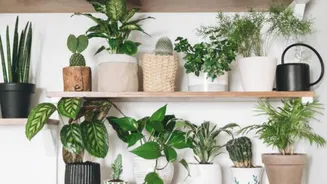
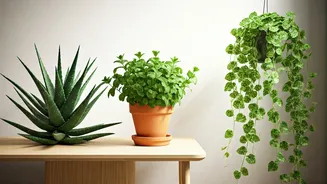
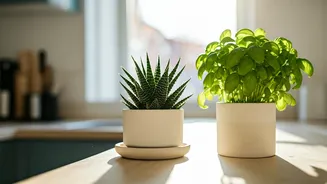
First, let’s talk about aloe. With its striking, architectural leaves, an aloe vera plant adds a touch of modern, desert-chic style to any countertop. It’s a living sculpture that requires minimal fuss, thriving on a bit of neglect and a sunny spot. But
its aesthetic appeal is only half the story. The real magic of aloe is hidden inside its fleshy leaves. The gel within is a well-known natural remedy for soothing minor burns and skin irritations. A small kitchen mishap—a splash of hot oil or a brush against a hot pan—can be immediately treated by snipping off a small piece of a leaf and applying the cool, soothing gel directly to the skin. This turns your decorative plant into a functional, living first-aid kit. In a compact apartment kitchen where you can’t dedicate a drawer to bulky burn creams, having this remedy on hand is a game-changer. It embodies the principle of functional beauty, justifying its space with both form and immediate utility.
The Aromatic Staple: Fresh Basil
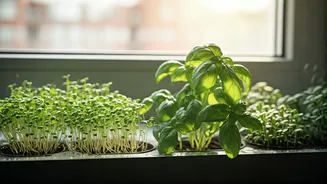
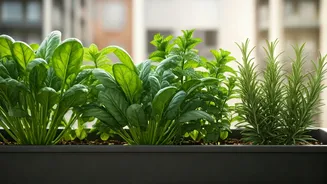
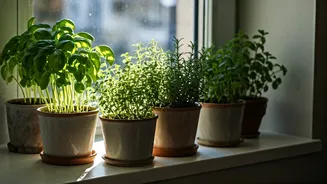
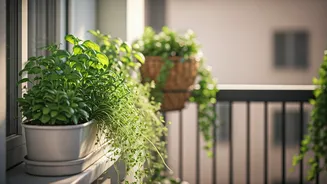
Next to the stoic aloe, basil offers a different kind of appeal. Its lush, vibrant green leaves and intoxicatingly sweet and peppery aroma can make a sterile kitchen feel alive and welcoming. A small pot of basil on the windowsill is more than just a plant; it’s an invitation to elevate your cooking. The difference between fresh and dried basil is night and day, and having it within arm’s reach is a luxury that transforms everyday meals. Imagine tearing a few fresh leaves to scatter over a Caprese salad, muddle into a cocktail, or blend into a pesto that bursts with flavor. It’s an instant upgrade for pasta sauces, pizzas, and even simple sandwiches. Growing basil connects you to your food in a tangible way, providing a small but satisfying harvest that enhances your culinary life. For apartment dwellers who may lack a garden, a pot of basil offers a touch of the “farm-to-table” experience right on their countertop. It’s a sensory delight that’s both beautiful and delicious.
Why This Duo Is Unbeatable
The reason aloe and basil are “winning” is because they work in perfect harmony to solve the small-space dilemma. They represent the two core functions of a kitchen: nourishment and well-being. Basil is for culinary creativity and flavor, directly enhancing the food you make. Aloe is for wellness and care, providing a natural solution for the minor injuries that can happen while you cook. Together, they form a self-contained ecosystem of practicality. One is structural and succulent; the other is leafy and herbaceous. They offer contrasting textures and aesthetics while sharing a common need for a sunny spot, making them easy to group together. They don't compete for purpose; they complement each other. In an era where people are more conscious of wellness, sustainability, and making their homes more functional, this plant pairing is the perfect, low-cost investment in a better kitchen environment.
Your Kitchen Garden Care Guide
Feeling inspired? Keeping this power couple happy is simpler than you think. Both plants are relatively low-maintenance, but they do have specific needs. **For Aloe Vera:** * **Light:** It loves bright, indirect sunlight. A west- or south-facing window is ideal. Too much direct, harsh sun can scorch its leaves. * **Water:** This is a succulent, so less is more. Water deeply, but let the soil dry out completely between waterings. Overwatering is the most common way to kill an aloe plant. In winter, you’ll water even less. * **Soil:** Use a well-draining potting mix, ideally one formulated for cacti and succulents. **For Basil:** * **Light:** Basil craves sun. Give it at least six hours of direct sunlight a day. A bright, south-facing windowsill is perfect. * **Water:** Unlike aloe, basil likes to be kept consistently moist (but not soggy). Water it whenever the top inch of soil feels dry. * **Harvesting:** Don't be shy! Regularly pinching off leaves encourages the plant to become bushier and more productive. Always pinch from the top of a stem, right above a pair of leaves.