



So, What Exactly Is the ‘Experience Economy’?
At its core, the 'experience economy' is the idea that consumers are choosing to spend their disposable income on doing things rather than buying things. It’s a shift from a goods-based market to one centered on events, activities, and services that create
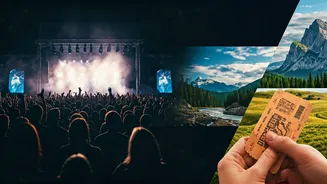
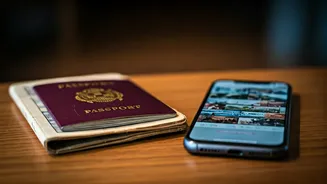
lasting memories. Think less about the accumulation of physical stuff—fast fashion, gadgets, or home decor—and more about concert tickets, plane tickets, immersive art exhibits, and unique dining pop-ups. For decades, the American dream was often measured by what you owned. Now, for the nation’s youngest adult generation, status is increasingly measured by what you’ve done, seen, and shared.
The Digital Native’s Currency: Social Capital
You can’t understand Gen Z’s spending without understanding their relationship with the internet. As the first truly digital-native generation, their lives are seamlessly integrated with platforms like TikTok and Instagram. A physical product might get a one-off post, but an experience provides a wealth of content: the anticipation, the event itself, and the nostalgic look back. A weekend at a music festival can fuel a dozen posts, stories, and videos, generating significant ‘social capital.’ In a world saturated with influencers and product placements, authentic, lived experiences stand out. This desire for unique, shareable moments is a powerful driver, turning personal budgets into content creation budgets.
Post-Pandemic Values and Financial Pragmatism
The COVID-19 pandemic acted as a massive accelerant for this trend. After years of lockdowns and social distancing, there’s a palpable, pent-up demand for connection and real-world interaction. Gen Z, whose formative social years were disrupted, places an especially high premium on gathering with friends and being part of a crowd. But there’s also a layer of financial pragmatism at play. With traditional markers of wealth like homeownership feeling increasingly unattainable due to high costs and economic uncertainty, many younger consumers are redirecting their funds toward more accessible luxuries. They may not be able to afford a down payment on a house, but they can afford a trip with friends or a ticket to see their favorite artist—a tangible return on investment in the form of joy and memories.
From Concerts to Curated Pop-Ups
The boom is visible everywhere. The unprecedented demand for tickets to Taylor Swift’s Eras Tour and Beyoncé’s Renaissance Tour—events that became cultural touchstones—is the most obvious example. But it extends far beyond A-list concerts. Music festivals like Coachella and Lollapalooza continue to draw massive crowds. Immersive art installations from groups like Meow Wolf and Van Gogh: The Immersive Experience sell out in major cities. Themed pop-up bars, high-concept restaurants, wellness retreats, and international group travel are all part of this ecosystem. These aren’t just activities; they are highly curated, often limited-time events that tap directly into the fear of missing out (FOMO) that thrives online.
How Businesses Are Being Reshaped
Smart companies are paying close attention. The shift from ownership to access is forcing a strategic rethink across industries. Retail brands are no longer just opening stores; they’re creating ‘brand experiences’—flagship locations with cafes, interactive displays, and event spaces. Tech companies are investing in the metaverse to offer virtual experiences. The travel industry is booming, with a focus on authentic, localized adventures over generic resort packages. Even the food and beverage industry is innovating, with a focus on ‘Instagrammable’ presentations and unique ambiances. The core takeaway for any business targeting younger consumers is simple: it's no longer enough to sell a product. You have to sell a story, a feeling, a memory. The brands that understand how to integrate their products into the lived experiences of their customers are the ones that will win over the next generation.