






More Than Taste: The Quest for Flavour
For Generation Z, 'flavour' isn't just a descriptor; it's an experience. The passive, one-note tastes that defined previous generations’ comfort foods—think plain potato chips and simple colas—are being pushed aside for something more dynamic. This is the
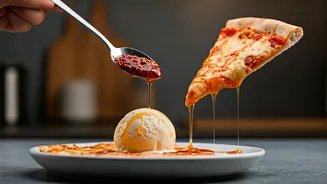
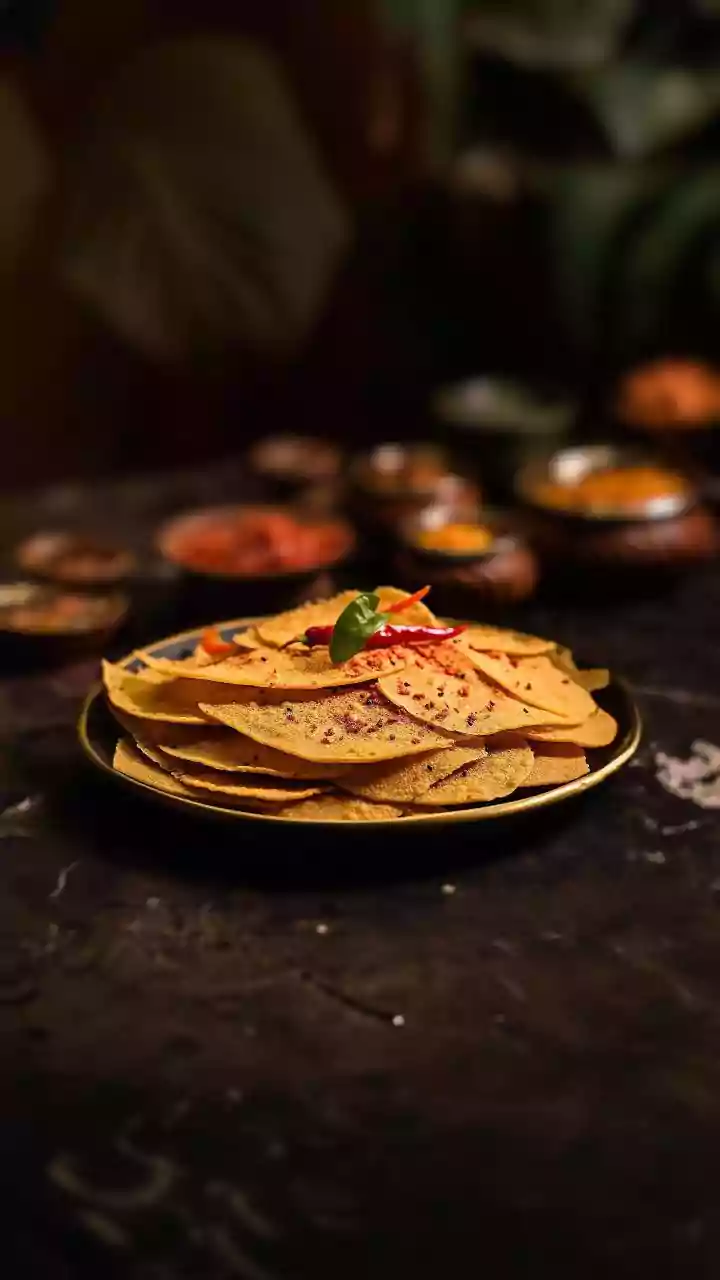
generation of the 'swicy' (sweet and spicy), where gochujang-spiked honey and mango-habanero sauces are not just niche hot-sauce-aisle finds, but mainstream CPG darlings. Driven by the endless scroll of TikTok and Instagram Reels, Gen Z’s culinary curiosity has gone global and hyperlocal simultaneously. A 15-second video can launch a regional dish, like a birria taco from Jalisco, into a national obsession. They crave authenticity but also love a good fusion, embracing the creative chaos of putting something unexpected, like chili crisp, on vanilla ice cream. This isn't about being 'weird' for the sake of it; it's about seeking sensory stimulation and participating in a global conversation through food.
Comfort in the Unfamiliar: The Power of Memory
Here's the paradox of Gen Z: a generation born after 1996 is utterly obsessed with the 1990s and early 2000s. This manifests not as true nostalgia, but as a curated aesthetic—a memory of a time they never fully experienced. On the food and beverage front, this means a thirst for 'throwback' brands and flavors. Think the re-release of Surge soda, the comeback of Dunkaroos, or the sudden coolness of legacy brands like Ovaltine. For Gen Z, these products aren't just snacks; they're props in a larger performance of Y2K identity. They represent a perceived simpler time, before the constant connectivity and existential pressures of the 2020s. Consuming them is like stepping into a vintage filter, offering a momentary escape and a connection to a past that feels comforting precisely because it’s a simplified, idealized version of history gleaned from pop culture.
Wellness Without Sacrifice: The Art of Balance
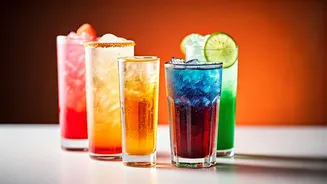
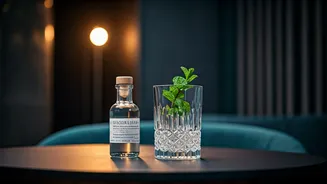
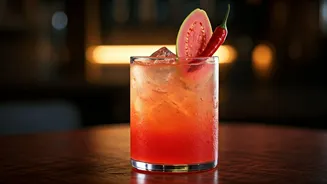
If Millennials mainstreamed wellness, Gen Z is redefining it. Their approach is less about restrictive diets and punishing workout regimens and more about holistic 'balance.' This generation rejects the all-or-nothing mentality. One day, they might be sipping a mushroom coffee with adaptogens for mental clarity; the next, they're ordering a viral 'dirty soda' from a Utah-based chain—a sugar-laden concoction of soda, creamer, and flavored syrups. This isn't hypocrisy; it's balance. It's the understanding that mental and emotional well-being sometimes means indulging a craving without guilt. This ethos is also fueling the 'sober curious' movement. Gen Z drinks less alcohol than previous generations at their age, not necessarily out of puritanical prohibition, but out of a desire for control and options. They’ve embraced a booming market of sophisticated non-alcoholic spirits, wines, and aperitifs that offer the ritual of a cocktail without the hangover, perfectly embodying their desire to have it all, just in a more measured, mindful way.