




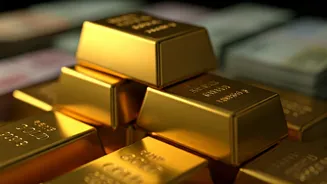
An Unprecedented Buying Spree
Forget the typical gold bug stereotypes. The most significant buyers of gold today aren't individuals hoarding coins; they are the world's central banks. For the last couple of years, these institutions have been acquiring physical gold at a pace not
seen in decades. According to the World Gold Council, central banks have collectively added hundreds of metric tons to their reserves annually, marking a significant reversal from the late 20th century when they were net sellers. This isn’t a one-off event; it’s a sustained, strategic pivot. The scale of these purchases has made central banks a primary driver of global gold demand, providing a strong floor for prices even as traditional investment demand ebbs and flows.
Why Gold, and Why Now?
The motivation behind this gold rush is multifaceted, reflecting a world grappling with uncertainty. Firstly, gold is the ultimate hedge. In an era of stubborn inflation, volatile markets, and rising geopolitical tensions, central bankers are turning to the one asset that isn't someone else's liability. Gold performs well during crises, holding its value when other assets, including currencies, falter. Secondly, it's about performance and diversification. For decades, the U.S. Treasury bond was the default risk-free asset for central bank reserves. But with rising U.S. debt and shifting interest rate environments, banks are seeking to diversify their holdings. Gold, which has no credit risk, offers an attractive alternative. These are not just financial calculations; they are strategic decisions made in boardrooms from Beijing to Warsaw.
The 'De-Dollarization' Question
Perhaps the most compelling driver is a geopolitical phenomenon often dubbed 'de-dollarization.' For more than half a century, the U.S. dollar has been the world's undisputed reserve currency. This gives the United States immense economic and political power. However, recent events, particularly the weaponization of the dollar through sanctions against countries like Russia, have sent a chill through the international community. Nations, especially those with geopolitical ambitions that may not align with Washington's, are increasingly wary of holding the vast majority of their national wealth in U.S. dollar-denominated assets. Buying gold is a direct way to reduce that dependence. The People's Bank of China has been a consistent buyer, as have the central banks of Turkey, India, and Poland. For these countries, gold is more than an investment; it's a declaration of monetary sovereignty and a quiet step toward a more multipolar financial world.
What It Means for the Rest of Us
So, why should the average American care about the reserve management strategies of foreign governments? Because this trend is a powerful signal about the state of the global economy. The actions of central banks validate gold’s role as a fundamental store of value, separate from the whims of governments or financial markets. While it doesn't mean the dollar's reign is ending tomorrow, it indicates that its dominance is being actively questioned by some of the world's most powerful financial institutions. This gradual shift could have long-term implications for the dollar's value, inflation, and the balance of global economic power. The central bank gold rush is a slow-moving but powerful undercurrent, reshaping the financial landscape in ways that will become more apparent over time.