






The Anatomy of a 'Rainy Mess'
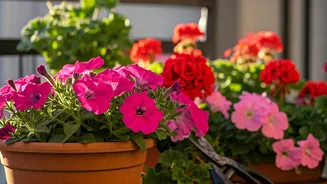
We’ve all seen it. One minute you have a charming collection of flowering pots, and the next, a summer downpour transforms your space into a disheartening scene. The 'rainy mess' is a specific cocktail of debris: spent flower petals from plants like petunias
and geraniums turn into a colorful, slippery pulp. Overgrown vines and leggy stems shed leaves that plaster themselves to the floor and furniture. All this organic matter can clog balcony drainage holes, leading to standing water, and leave stubborn stains on concrete or wood decking. It’s not just an eyesore; it’s a chore that steals time you’d rather spend enjoying your morning coffee out there. Proactive pruning is about preventing this mess before it even starts.
Why June is the Golden Month
Timing is everything in the garden, even a small container garden. June is the perfect moment for a strategic tidy-up for a few key reasons. First, most annuals and perennials have just finished their explosive spring growth spurt. They’ve put on a big show, and now is the time to clean up the spent blooms and gangly growth. Second, by trimming them back now, you encourage the plants to redirect their energy into producing a second, fuller wave of flowers and foliage for the summer, rather than wasting energy on seed production. Finally, pruning before the peak heat of July and August is less stressful for the plants. A mid-summer prune can sometimes shock plants that are already working hard to stay hydrated. A June trim sets them up for a healthy, vigorous, and much tidier summer season.
The Minimalist's Pruning Toolkit
You don't need a shed full of tools for balcony maintenance. In fact, you can accomplish most of what you need with just a few simple items. For delicate tasks like deadheading (removing old flowers), your own thumb and forefinger are often your best tools. This 'pinching' method works perfectly for plants like coleus, basil, and petunias. For slightly woodier stems or for a cleaner cut, a pair of floral snips or small, sharp bypass pruners are ideal. Bypass pruners, which have two blades that slice past each other like scissors, make a clean cut that heals quickly, reducing the risk of disease. Make sure your tools are clean; a quick wipe with a rubbing alcohol pad before you start is a great habit to get into.
What to Trim: Your June Hit List
Focus your efforts on the biggest potential mess-makers. Start with deadheading. Systematically pinch or snip off any faded or dead flowers from your annuals like geraniums, marigolds, and zinnias. This not only prevents them from turning into petal sludge but also signals the plant to produce more blooms. Next, tackle leggy growth. If your petunias or trailing plants are looking long and sparse, don't be afraid to trim the stems back by a third or even a half. Cut just above a leaf node, and you'll be rewarded with bushier, more compact growth. The same goes for herbs like basil and mint; regularly pinching the tops keeps them from getting tall and flowering, ensuring a steady supply of leaves for your kitchen and less debris on your floor.
The Final Sweep-Up
Pruning is only half the battle; cleanup is the other. Don't let your hard work go to waste by leaving the trimmings behind to become the very mess you're trying to avoid. Once you’re finished snipping and pinching, do a thorough sweep of your entire balcony. Collect all the spent blooms, leaves, and stem cuttings and add them to your compost or dispose of them. While you’re at it, take a moment to poke a stick or a piece of wire into your container and balcony drainage holes. Ensure they are clear and free-flowing. A clean floor and clear drains mean that when the next summer shower arrives, the water will run off cleanly, leaving your beautiful, well-tended plants—and your balcony—looking their absolute best.