
The Iron Boost: Spinach and Lemon
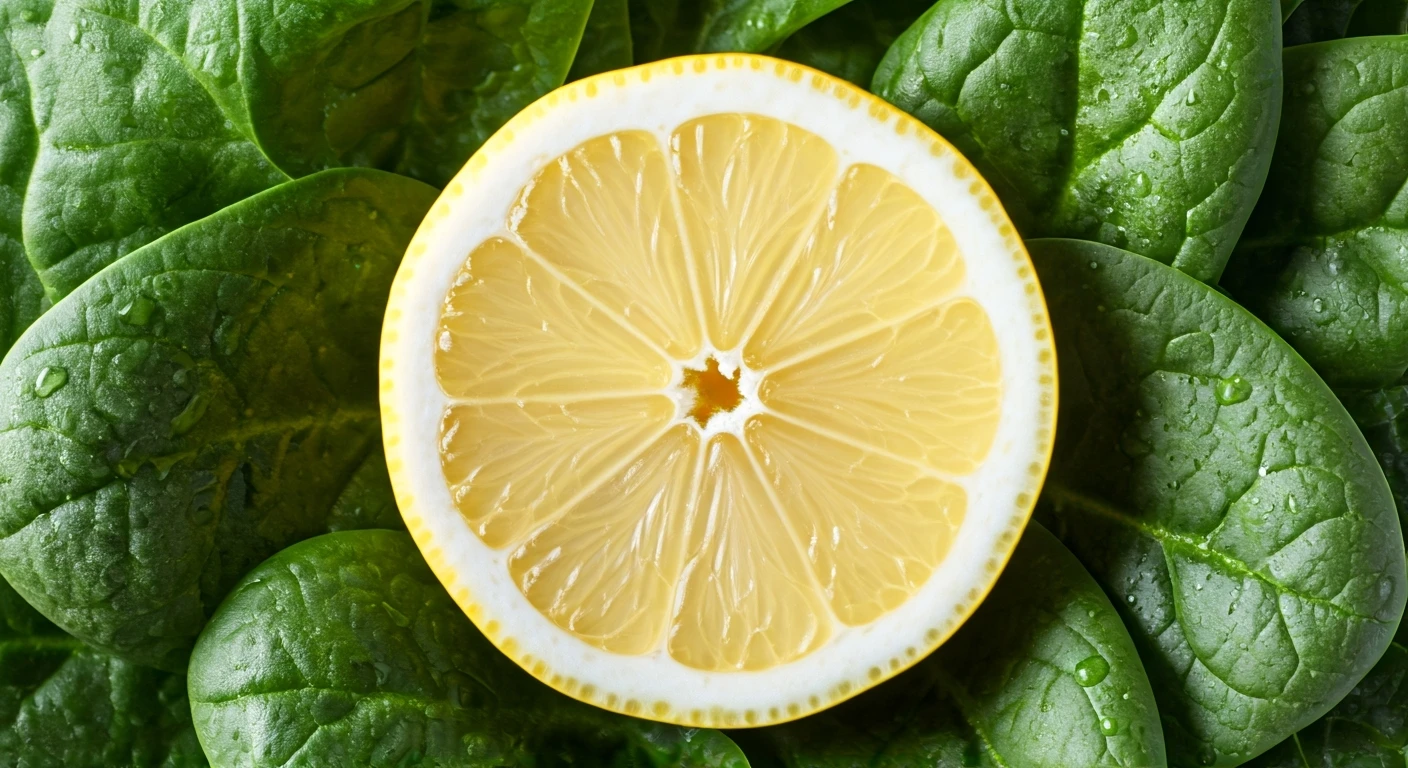
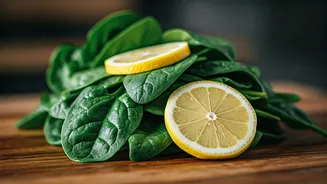
Popeye was onto something with spinach, but he could have supercharged his gains with a squeeze of lemon. Here’s why: Spinach is packed with iron, a crucial mineral for energy and red blood cell production. However, the iron in plant-based sources like
spinach is called “non-heme” iron, which our bodies find notoriously difficult to absorb. On its own, much of that valuable iron passes right through our system without being used. Enter the lemon. Citrus fruits are loaded with Vitamin C, which acts like a key for unlocking plant-based iron. When you consume Vitamin C alongside a source of non-heme iron, it dramatically increases the iron’s bioavailability, meaning your body can absorb and use significantly more of it. Think of Vitamin C as the helpful sidekick that makes the hero, iron, more powerful. This isn't just limited to spinach and lemon; it works for any leafy green and any Vitamin C source. A simple lemon-and-oil vinaigrette on your salad, bell peppers in your bean chili, or strawberries in your oatmeal all perform the same brilliant nutritional trick.
The Complete Protein: Dal and Rice
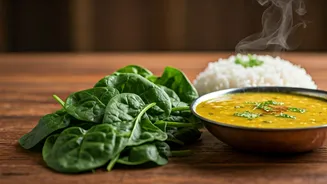
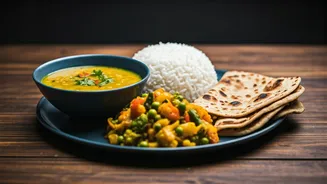
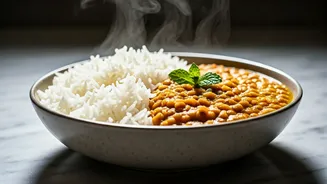
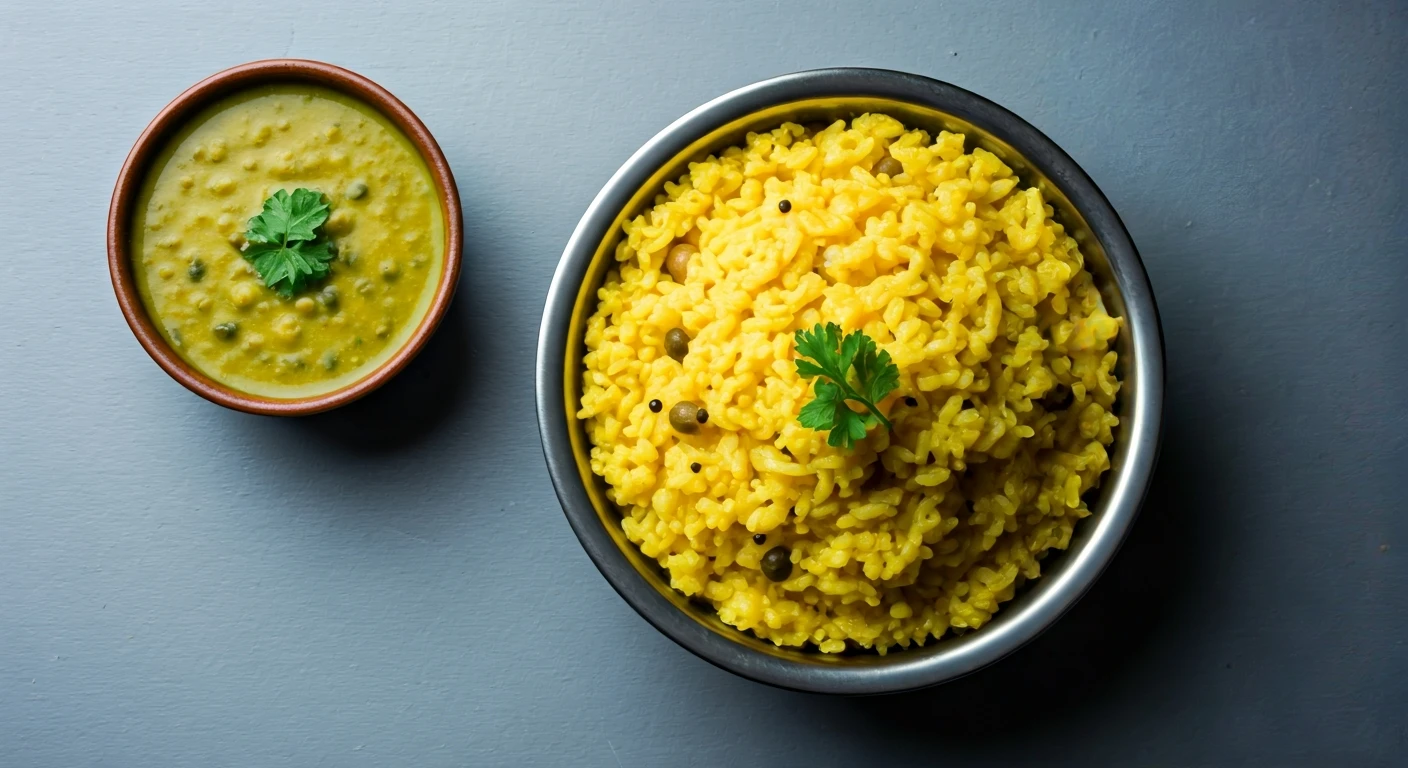
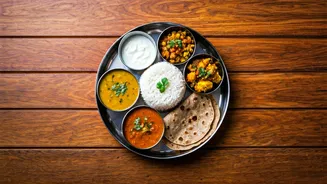
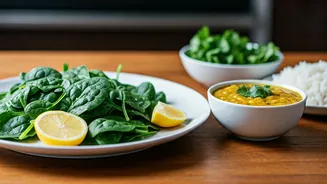
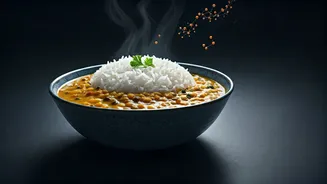
For hundreds of millions of people, dal (lentils or split peas) served with rice is more than just a comforting staple; it's a masterpiece of nutritional engineering. The secret lies in amino acids, the building blocks of protein. Our bodies need nine “essential” amino acids that we can only get from food. Animal proteins like meat, eggs, and dairy are “complete,” containing all nine. Most individual plant sources, however, are “incomplete.”
This is where the genius of dal and rice comes in. Grains like rice are typically low in one essential amino acid called lysine, but they have plenty of another called methionine. Legumes like lentils are the exact opposite: rich in lysine but low in methionine. When you eat them together, their amino acid profiles perfectly complement each other. One’s weakness is the other’s strength, and combined, they provide all nine essential amino acids, forming a complete protein that’s just as effective as one from an animal source. This is why the pairing is a cornerstone of vegetarian diets across South Asia and beyond. It’s an affordable, sustainable, and scientifically sound way to build a complete meal.
Thinking in Synergy, Not Just Ingredients
These examples aren’t happy accidents; they are principles of food synergy. This is the idea that the nutritional benefit of eating whole foods together is greater than the sum of their isolated nutrients. Traditional cuisines around the world are filled with these intuitive pairings that modern science is now confirming.
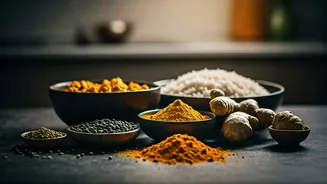
Take the Mediterranean classic of tomatoes and olive oil. Tomatoes are rich in lycopene, a powerful antioxidant linked to reduced risk of certain cancers. But lycopene is fat-soluble. By cooking tomatoes with a healthy fat like olive oil, you make the lycopene far easier for your body to absorb. Another famous example is turmeric and black pepper. The active compound in turmeric, curcumin, has potent anti-inflammatory properties but is poorly absorbed. A compound in black pepper, piperine, can increase curcumin’s absorption by up to 2,000%. It’s why a pinch of black pepper is a non-negotiable part of a traditional curry.
Putting It on Your Plate
Embracing these smart food goals doesn't require a degree in nutrition or a complex meal plan. It’s about making small, mindful choices.
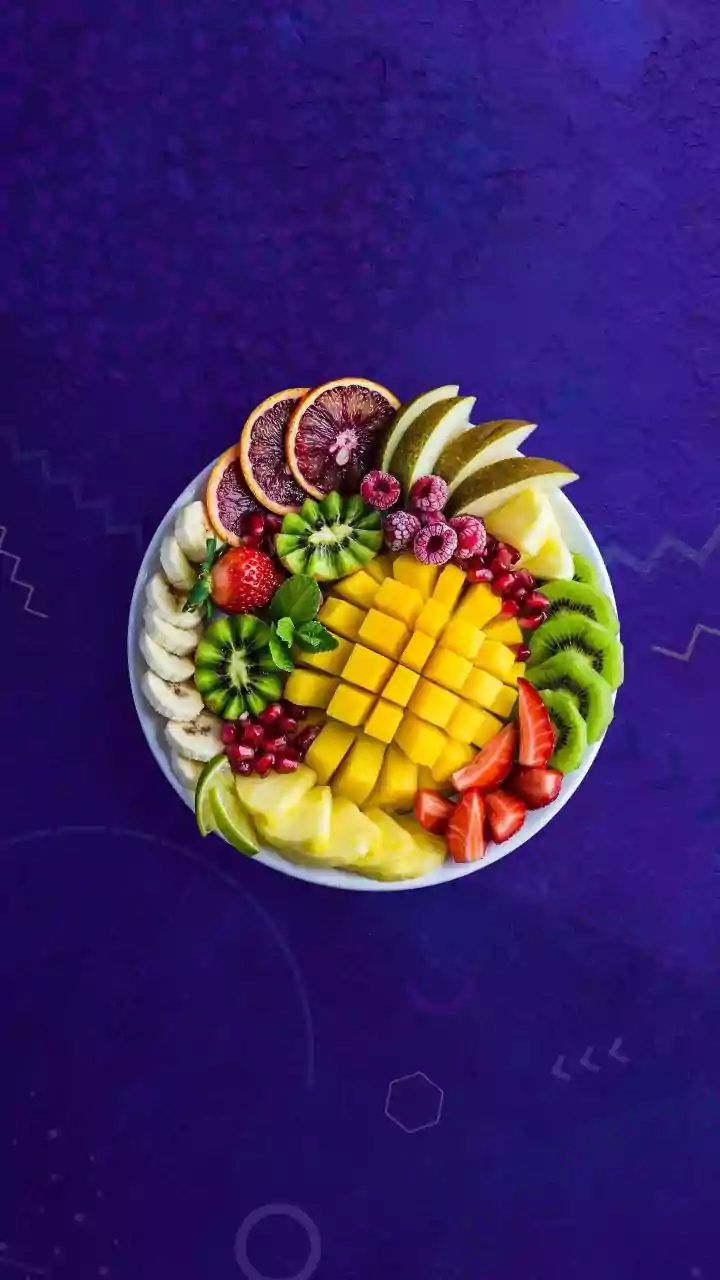
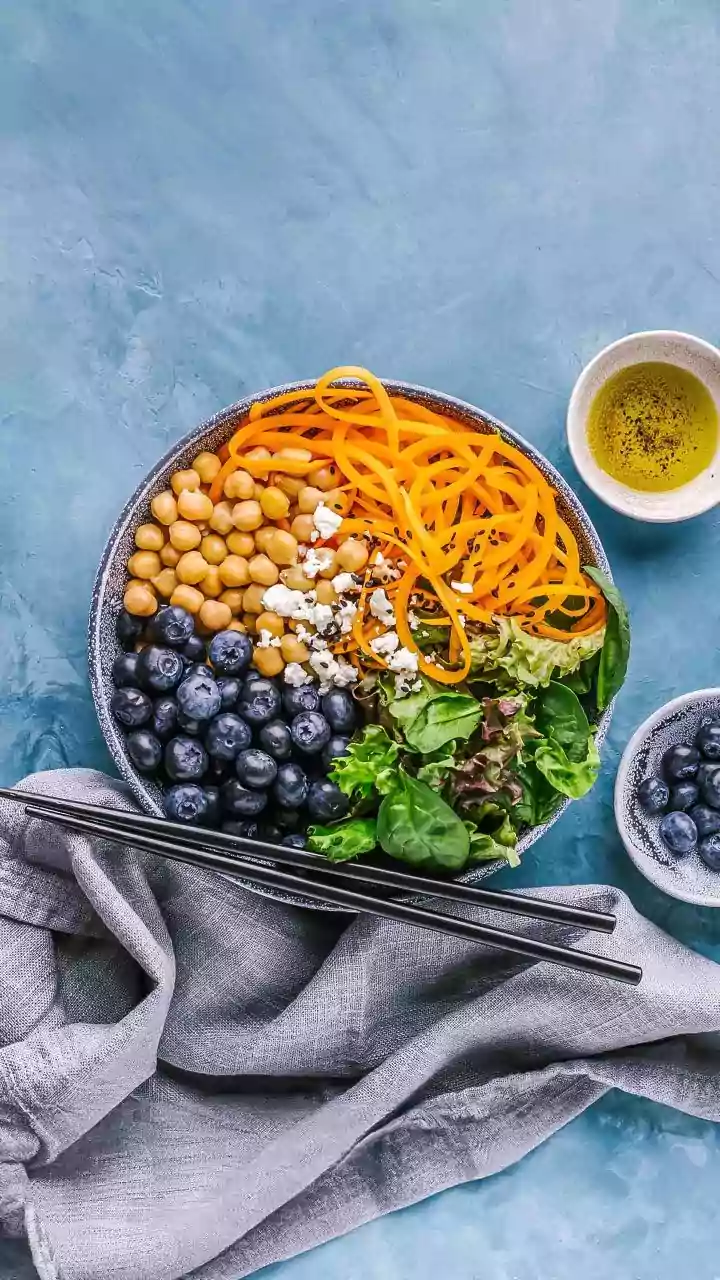
Start simply. Next time you make a green smoothie or a salad, squeeze in some fresh lemon or add a handful of orange slices. When planning a meatless meal, think about pairing a grain with a legume—rice and beans, hummus and pita, or peanut butter on whole-wheat toast are all complete proteins. Instead of fearing fats, use healthy ones like avocado or olive oil to help you absorb the vitamins from your colorful vegetables.
By focusing on these time-tested combinations, you move beyond just counting calories and start working with your food’s natural intelligence. It’s a simpler, more holistic, and ultimately more effective way to eat well.