
The Tyranny of the Hot Kitchen
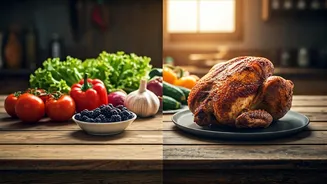
In the cold, dark months, the kitchen is a sanctuary. It’s a place of warmth and alchemy, where we transform humble ingredients into deeply comforting braises, bubbling casseroles, and slow-simmering stews. These are the “overcooked plates” of winter—dishes
that require hours of heat, filling the house with savory aromas and promising a delicious shield against the chill outside. But in the summer, that same process becomes an act of self-flagellation. The kitchen turns from a cozy haven into a sweltering prison. Every minute the oven is on, it’s fighting a losing battle against your air conditioning, driving up your energy bill and your internal temperature. The very dishes that brought you comfort in January feel like an anchor in August, weighing you down when the season is begging you to be light and free.
Let the Ingredients Do the Work
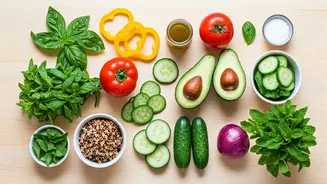
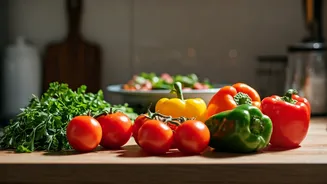
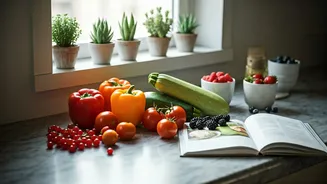
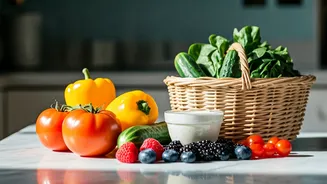
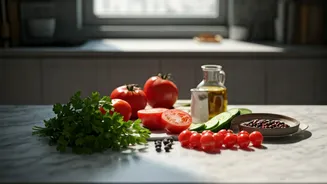
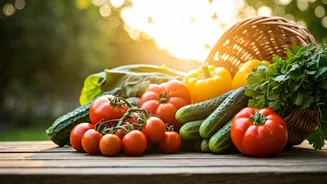
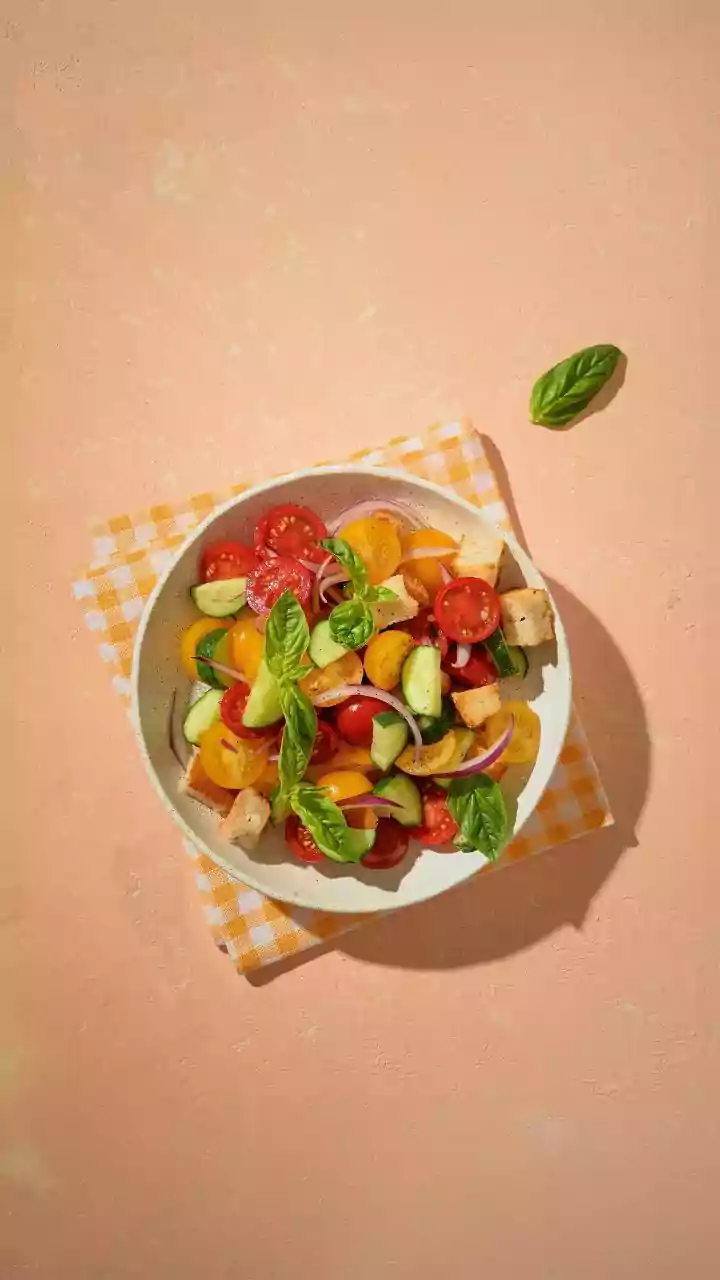
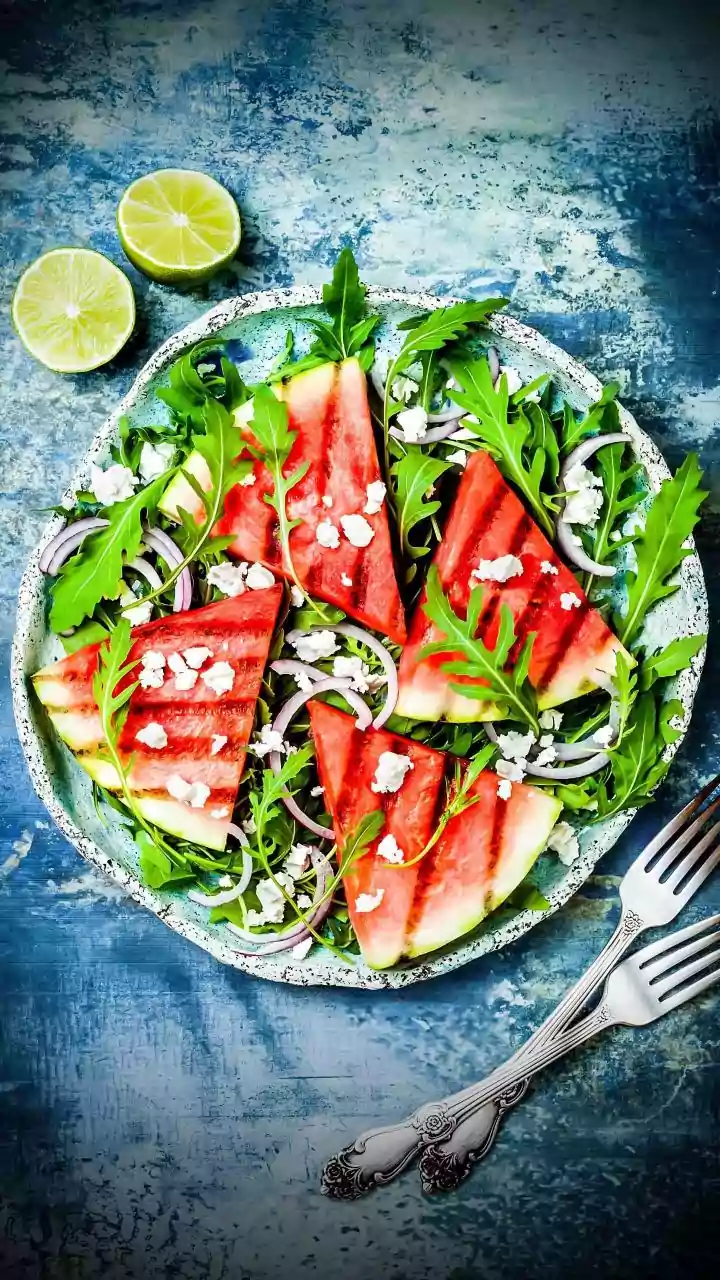
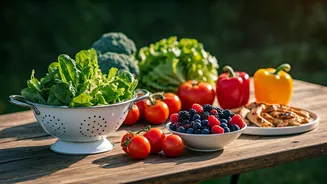
The great irony of summer cooking is that the season’s best foods require the least amount of cooking. Think about a truly perfect, sun-ripened tomato, still warm from the vine. What does it need? A sprinkle of flaky salt, maybe a drizzle of good olive oil. To subject it to a long, complicated cooking process would be to erase its essence. The same goes for sweet summer corn, juicy peaches, crisp cucumbers, and fragrant basil. Winter cooking is about coaxing flavor from dormant roots and sturdy greens. Summer cooking is about getting out of the way. It’s a philosophy of beautiful simplicity. Instead of building flavor through heat and time, you assemble it. A sharp vinaigrette, a crumble of feta, a handful of fresh herbs—these are your tools now. Your job is not to transform the ingredients, but to present them in their best possible light.
Your Grill Is Not the Only Answer
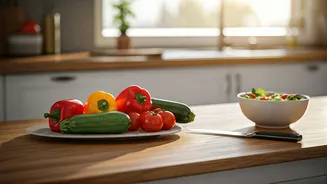
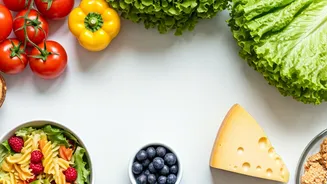
When we think of escaping the hot kitchen, our minds immediately go to the grill. And for good reason—it keeps the heat outside and imparts a smoky char that is quintessentially summer. But relying solely on the grill can become its own kind of rut. The real liberation comes from embracing the vast world of no-cook and low-cook meals. Consider the glory of the “snack plate” dinner: a sprawling board of cured meats, cheeses, olives, pickles, fresh fruit, and crusty bread. It’s sophisticated, requires zero cooking, and encourages leisurely grazing. Think about chilled soups like gazpacho or cucumber-avocado, which come together in a blender in minutes. Or explore the bright, acidic magic of ceviche, where lime juice does the “cooking” for you. These aren't just appetizers; they are legitimate, satisfying meals that honor the weather and your desire to spend less time working and more time living.
Redefine What a ‘Meal’ Means
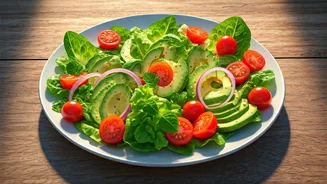
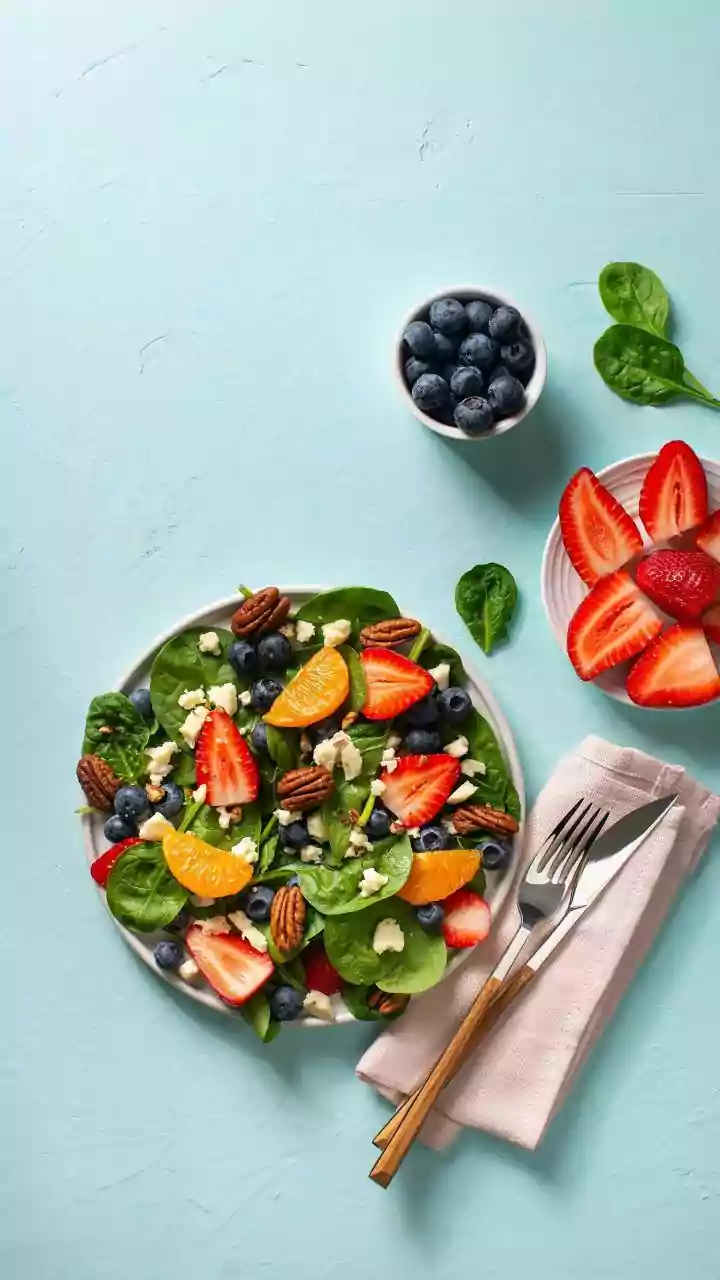
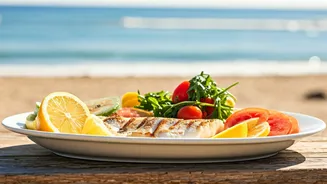
Perhaps the biggest mental hurdle is letting go of the traditional “protein, starch, vegetable” model of a proper dinner. That structure is a product of a different era and a different climate. A summer meal can be a massive, vibrant salad loaded with grilled chicken, chickpeas, and a dozen different vegetables. It can be cold sesame noodles eaten straight from the fridge. It can be a slice of melon with prosciutto and nothing else. The goal is to feel refreshed and energized, not full and sleepy. This is permission to relax your standards of what constitutes a “finished” plate. Eating on the porch, on a picnic blanket, or even standing over the sink with a perfect piece of fruit are all valid forms of summer dining. The focus shifts from the formality of the plate to the quality of the moment.