






The 'Better-for-You' Beverage Boom
The foundation of this fruity takeover is the seismic shift in consumer consciousness toward health and wellness. For decades, the non-alcoholic drink space was dominated by high-sugar sodas and calorically dense juices. The pendulum has swung hard in the opposite
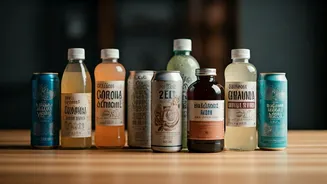
direction. Today’s shopper is a savvy label-reader, wary of high-fructose corn syrup and artificial ingredients. Enter the “functional” beverage. This category includes drinks fortified with ingredients that claim to offer benefits beyond simple hydration. Brands like Poppi and Olipop have become household names by marketing their fruit-flavored sodas as sources of prebiotics for gut health. They offer the familiar fizz and sweetness of a classic soda but with a fraction of the sugar and the added allure of being 'good for you.' This isn’t just about replacing Coke with a raspberry-rose seltzer; it’s about upgrading your drink to an act of self-care.
Designed for the Digital Age
You can’t discuss the rise of these drinks without talking about their design. The cans themselves are works of art, splashed with vibrant, retro-inspired fonts and eye-catching color combinations. This is not an accident. Brands have engineered their packaging to be 'shelfie-ready'—perfect for an Instagram story, a TikTok 'what I eat in a day' video, or simply looking chic in your hand at the park.
This social media-centric strategy has been phenomenally successful. Influencers and everyday users alike have turned these beverages into viral sensations, doing the marketing work for the companies. The drink is no longer just a drink; it's an accessory, a status symbol that signals you are in-the-know, wellness-conscious, and have good taste. The flavor might be strawberry-lemon, but the brand identity is pure digital cool.
The Mainstreaming of Global Flavors
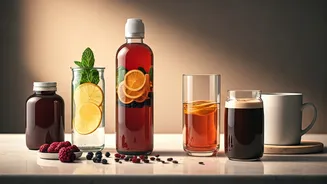
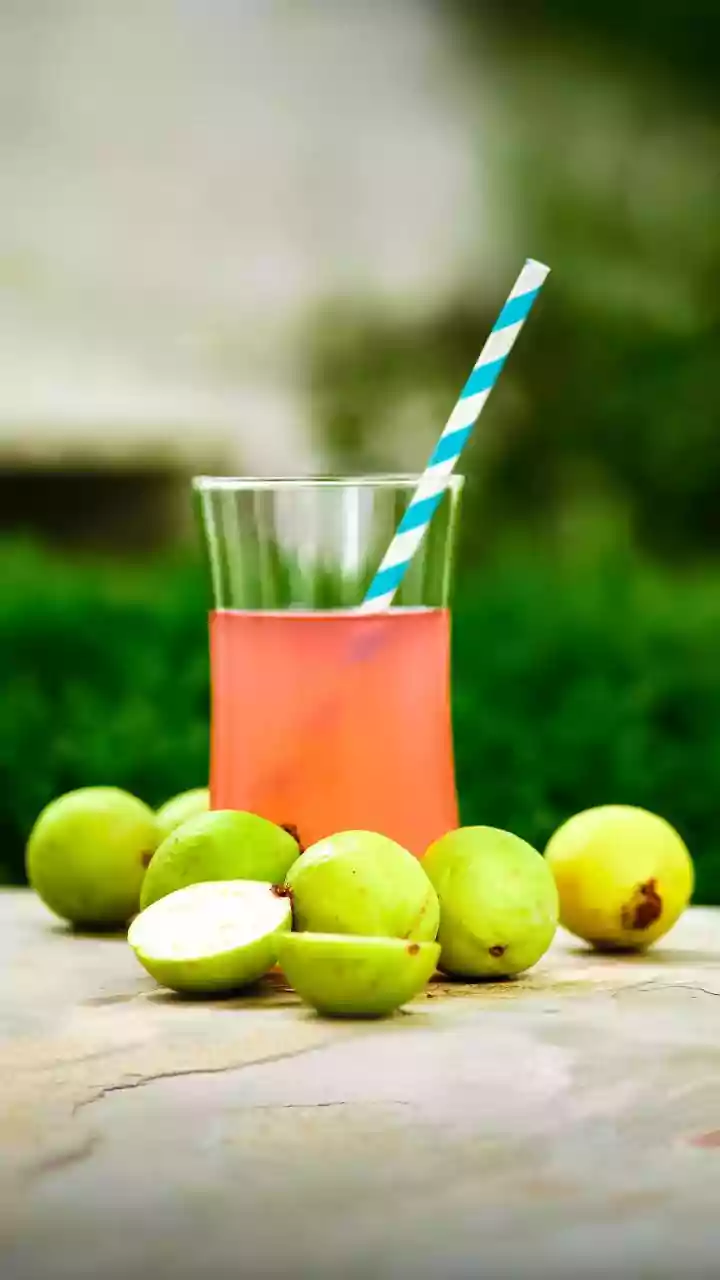
While new-wave sodas grab headlines, another, more traditional trend is bubbling up alongside them: the popularization of agua frescas. These light, non-carbonated drinks, made from blending fruit with water and a little sweetener, have long been a staple in Mexico and Latin America. Now, they are everywhere in the U.S., from farmers' market stalls to high-end cafes and even bottled versions at Trader Joe’s.
The appeal is their simplicity and perceived authenticity. In a world of complex ingredient lists, a drink made simply from watermelon, lime, and water feels refreshingly honest. Flavors like hibiscus (or 'jamaica'), tamarind, and cucumber-lime offer a more adventurous and less cloyingly sweet alternative to standard American fruit punch. This embrace of agua frescas is part of a broader culinary trend of Americans seeking out and celebrating more diverse, global flavors.
Something Special for the Sober Curious
Finally, the explosion in sophisticated fruit drinks is inextricably linked to the 'sober curious' movement and a general decline in alcohol consumption, especially among younger generations. People still want to participate in social rituals, hold a festive-looking cup, and sip on something complex and delicious. Water or a boring diet soda just doesn't cut it.
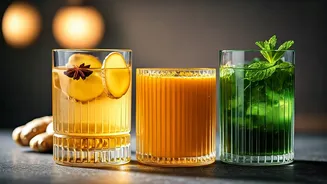
Fruit-based concoctions provide the perfect solution. Artisanal mocktails featuring muddled berries, herbal infusions, and fruit shrubs (drinking vinegars) are now standard on many restaurant menus. These drinks aren't treated as a sad consolation prize but as culinary creations in their own right. They provide flavor, complexity, and a sense of occasion, allowing everyone to feel included in the toast, regardless of what's in their glass. The demand for interesting non-alcoholic options has created a massive market opportunity, and fruit is the star ingredient.