




The Toughest 24-Hour Fast
First, let's break down the name. 'Ekadashi' refers to the eleventh day of each lunar fortnight in the Hindu calendar—a day traditionally set aside for fasting and spiritual focus. There are 24 Ekadashis in a year, but Pandava Nirjala Ekadashi, which
typically falls in late May or early June, is considered the most sacred and challenging. The key word here is 'Nirjala,' which literally translates to 'without water.' For approximately 24 hours, from sunrise to sunrise, devotees abstain from both food and water. It’s a profound act of discipline and faith, intended to cleanse the body and soul and grant the spiritual merit of observing all 24 Ekadashis at once.
The Story Behind the Fast
So, why would anyone undertake such an arduous observance? The tradition is rooted in the epic Mahabharata. One of the five Pandava brothers, Bhima, was a great warrior with an equally great appetite. He found it impossible to observe the bi-monthly Ekadashi fasts like his brothers. Feeling guilty, he sought a solution from the sage Vyasa, who advised him that if he could observe just one fast perfectly—the Nirjala Ekadashi in the summer month of Jyeshtha—he would gain the benefits of all the others combined. Bhima successfully completed the waterless fast, and ever since, it has been known as Pandava Ekadashi. This story adds a layer of relatable human struggle to an otherwise superhuman feat of austerity.
The Anticipation of Breaking the Fast
Here’s where modern life and ancient tradition collide. After 24 hours without a single drop of water, often during the hottest time of the year, the moment the fast ends is one of immense relief and celebration. The body craves hydration and gentle nourishment. Throughout the day of the fast, many participants begin planning and anticipating what they will eat and drink to break it. This anticipation naturally spills over into online activity. People search for recipes and ideas for drinks that are not just cold, but truly 'cooling' and restorative. It’s less about a sudden spike at the moment the fast breaks and more about a day-long build-up of looking for the perfect, gentle way to rehydrate.
The Anatomy of a 'Cooling' Drink
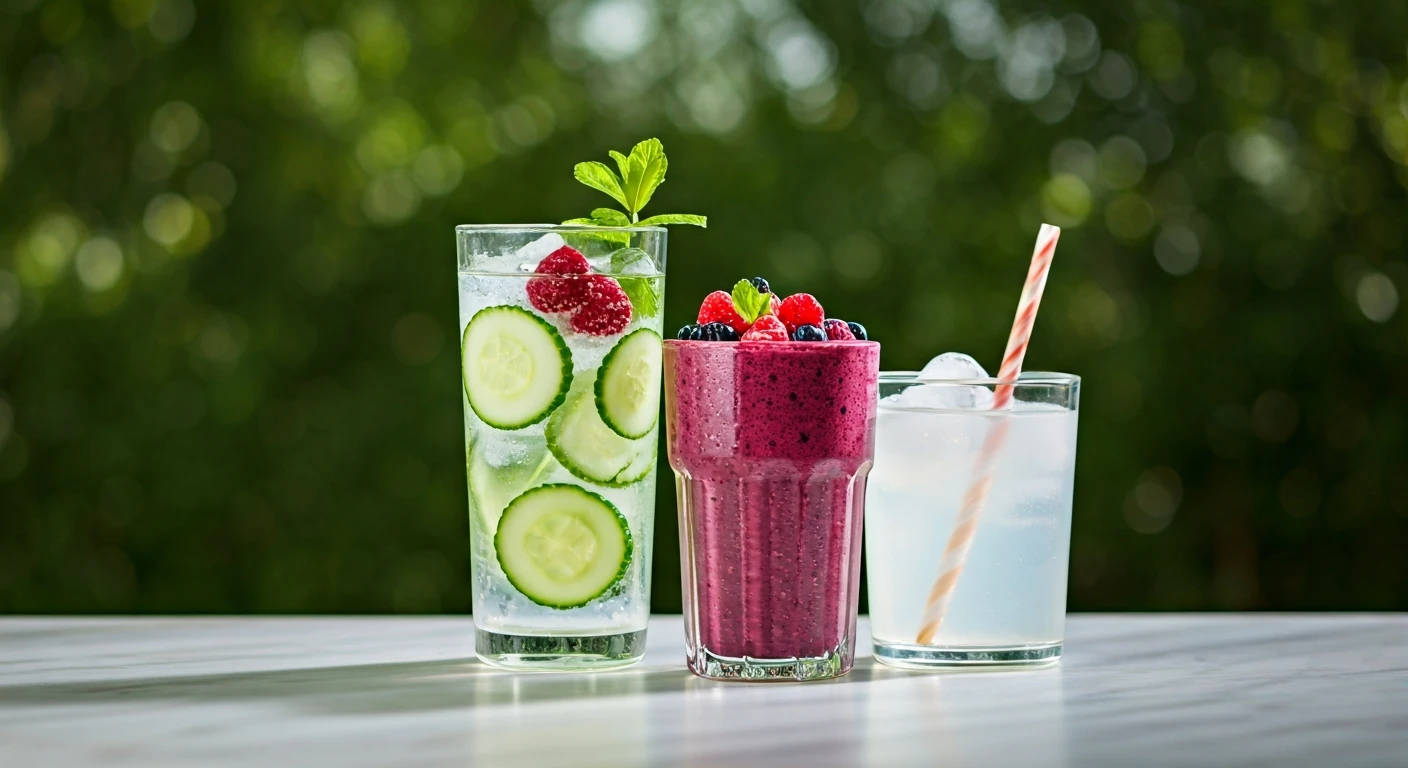
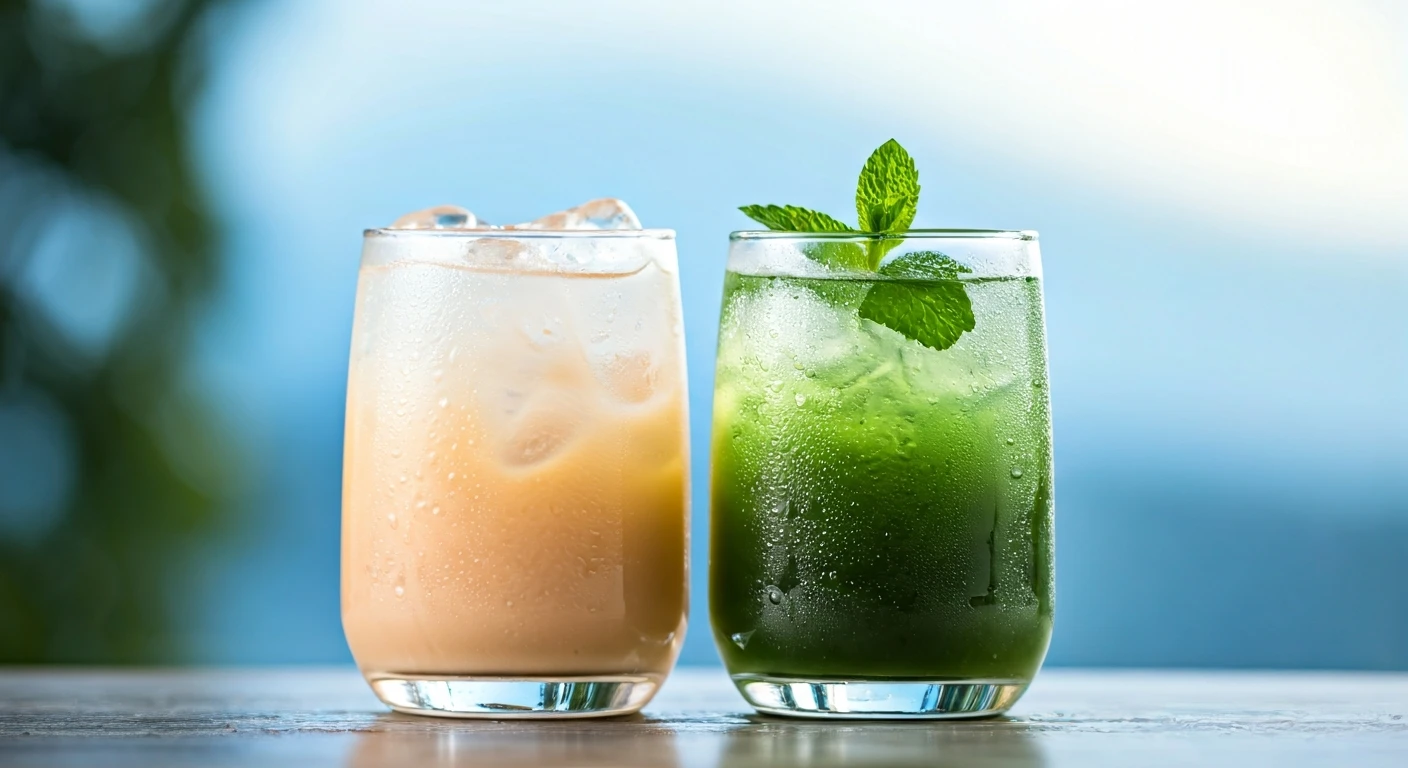
In this context, a 'cooling' drink is about more than just a low temperature; it’s about ingredients believed to have a soothing effect on the body according to Ayurvedic principles. After a harsh fast, the digestive system is sensitive. The ideal drink is gentle, hydrating, and balancing. Ingredients like yogurt, mint, lemon, kokum (a sour fruit), and rose syrup are popular. These are not heavy, sugary sodas but rather time-tested concoctions designed to replenish electrolytes, calm the stomach, and restore equilibrium. The focus is on natural sugars, minerals, and ingredients that aid digestion rather than shocking the system.
Classic Choices for Post-Fast Refreshment
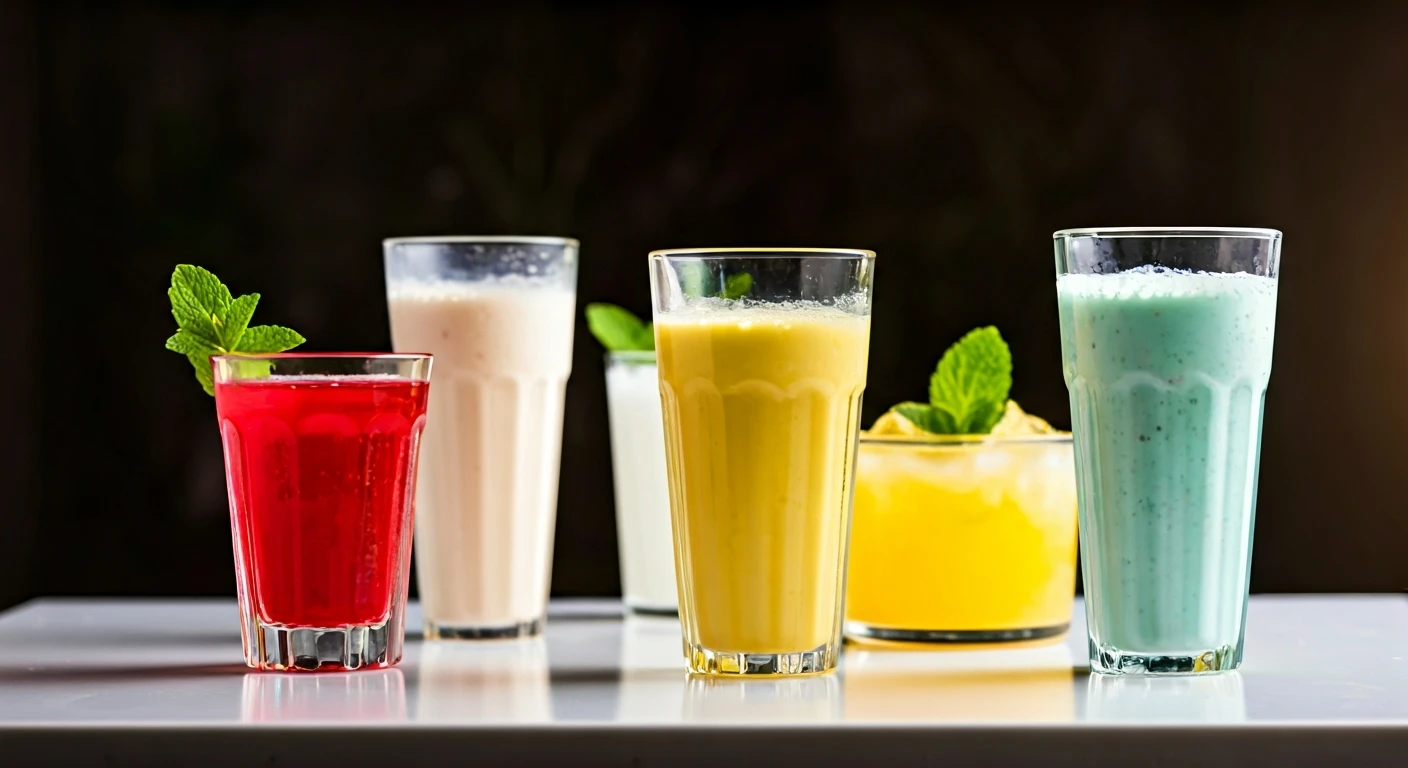
So what are people searching for? Often, it’s traditional Indian drinks. A sweet or salty Lassi, a yogurt-based smoothie, is a top contender for its probiotic and hydrating qualities. Nimbu Pani, a simple but effective Indian lemonade made with lemon juice, water, salt, and a pinch of sugar, is perfect for replenishing electrolytes. Another favorite is Jaljeera, a tangy and savory drink made with cumin, ginger, and mint, known for its digestive properties. Sharbats, sweet cordials made from fruits or flower petals, are also incredibly popular. A rose or hibiscus sharbat, diluted with water or milk, provides a gentle and aromatic way to break the fast, satisfying the soul as much as the body.